Matcha Storage for Bulk Buyers: Protecting Inventory Margins at Scale


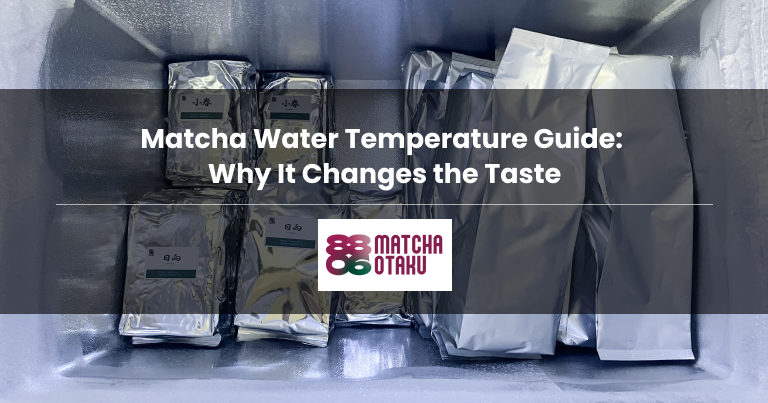
Buying matcha in bulk lowers the cost per cup, but it also raises the stakes if it’s stored the wrong way. A pallet of degraded matcha isn’t just wasted inventory — it’s wasted margin on every drink that goes out with it.
This guide covers how matcha degrades, the storage conditions that actually protect it at scale, and how cafes and distributors can manage inventory turnover so quality matches what customers were sold.
Why Matcha Degrades Faster Than Other Bulk Ingredients
Matcha is a whole, finely ground leaf, which means it has far more surface area exposed to air, light, and heat than whole tea leaves or coffee beans.
That exposed surface area is exactly why matcha is vulnerable. Oxidation dulls its bright color and flattens the aroma, while heat and light break down the delicate compounds responsible for its flavor. Once a bag is opened, that clock starts running for every gram inside it, not just the portion in use.
The Storage Conditions That Actually Protect Matcha Quality
Three factors drive most of the quality loss in stored matcha: light, heat, and air exposure. Controlling all three matters more than any single fix.
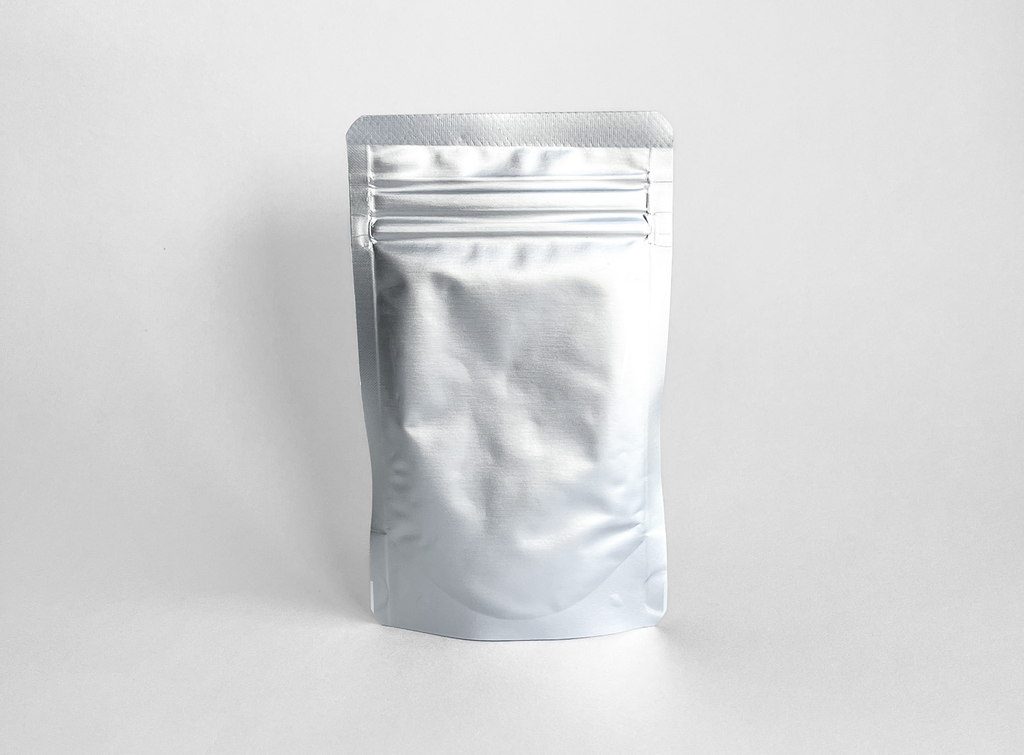
- Keep matcha in opaque, airtight containers — clear packaging and loosely sealed bags let in both light and air.
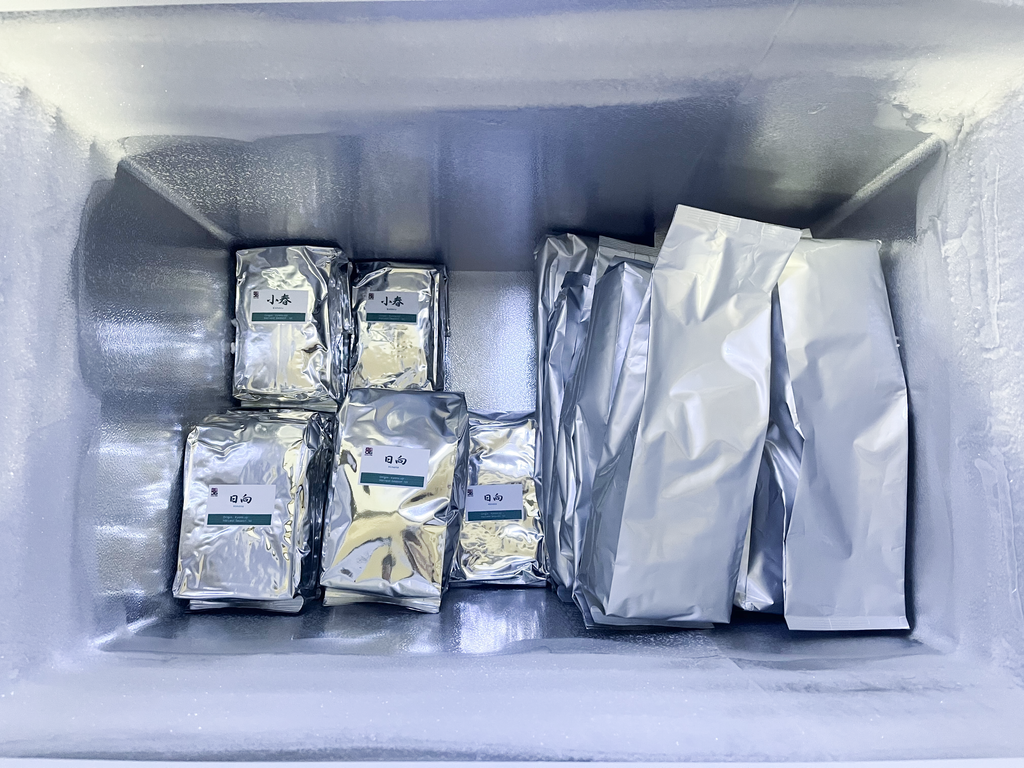
- Store it somewhere cool and dry. Refrigeration extends shelf life noticeably for bulk stock that won’t be used right away, as long as containers are sealed well enough to avoid condensation.
- Minimize how often large containers are opened. Splitting bulk stock into smaller working batches limits how much product gets exposed to air on a daily basis.
Back rooms and near ovens or espresso machines are common storage spots that quietly work against all three of these factors, so it’s worth auditing where bulk matcha actually sits in a working kitchen.
First In, First Out: Managing Inventory Turnover

Buying in bulk only saves money if the matcha gets used before quality drops. A strict first-in-first-out rotation keeps older stock moving before newer shipments are opened.
Labeling each container with its delivery date makes FIFO easy to enforce, even across multiple staff members pulling from the same stock. It also makes it obvious when order volume has outpaced actual usage, which is the real sign to scale back order sizes rather than keep buying at the same bulk discount tier.
Reading Freshness Signals Instead of Relying on a Fixed Date
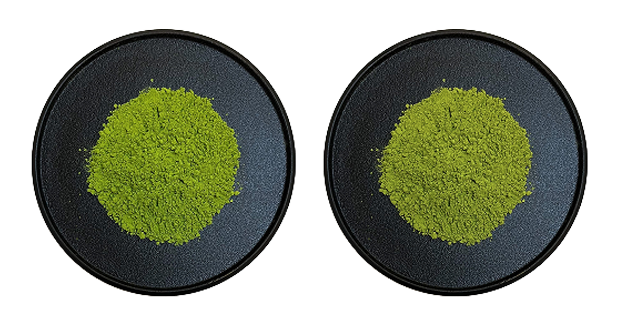
A best-by date on bulk matcha is a useful reference, but it assumes ideal storage the whole time. Real conditions vary, so it helps to know what degraded matcha actually looks and tastes like.
Color is the fastest tell: fresh matcha stays vivid green, while degraded matcha turns duller and more yellow or brown. Aroma fades from grassy and sweet to flat or stale well before the flavor itself becomes obviously bad, so a quick smell test on newly opened stock is worth building into routine checks.
The Bottom Line
- Matcha’s fine, exposed surface area makes it degrade faster than whole-leaf tea or coffee once a container is opened.
- Protect quality with opaque, airtight storage, cool and dry conditions, and smaller working batches instead of one large open container.
- Use strict first-in-first-out rotation, and size orders to actual usage rather than just the next bulk discount tier.
- Check color and aroma on new stock regularly — they signal quality loss earlier than a printed date can.
Matcha Otaku supplies cafes and distributors with consistently fresh, properly stored matcha at wholesale volumes. Request a sample or wholesale pricing to see the difference proper sourcing and storage make.
【Disclaimer】
This statement has not been evaluated by the Food and Drug Administration. This product is not intended to diagnose, treat, cure, or prevent any disease.