Matcha Water Temperature Guide: Why It Changes the Taste


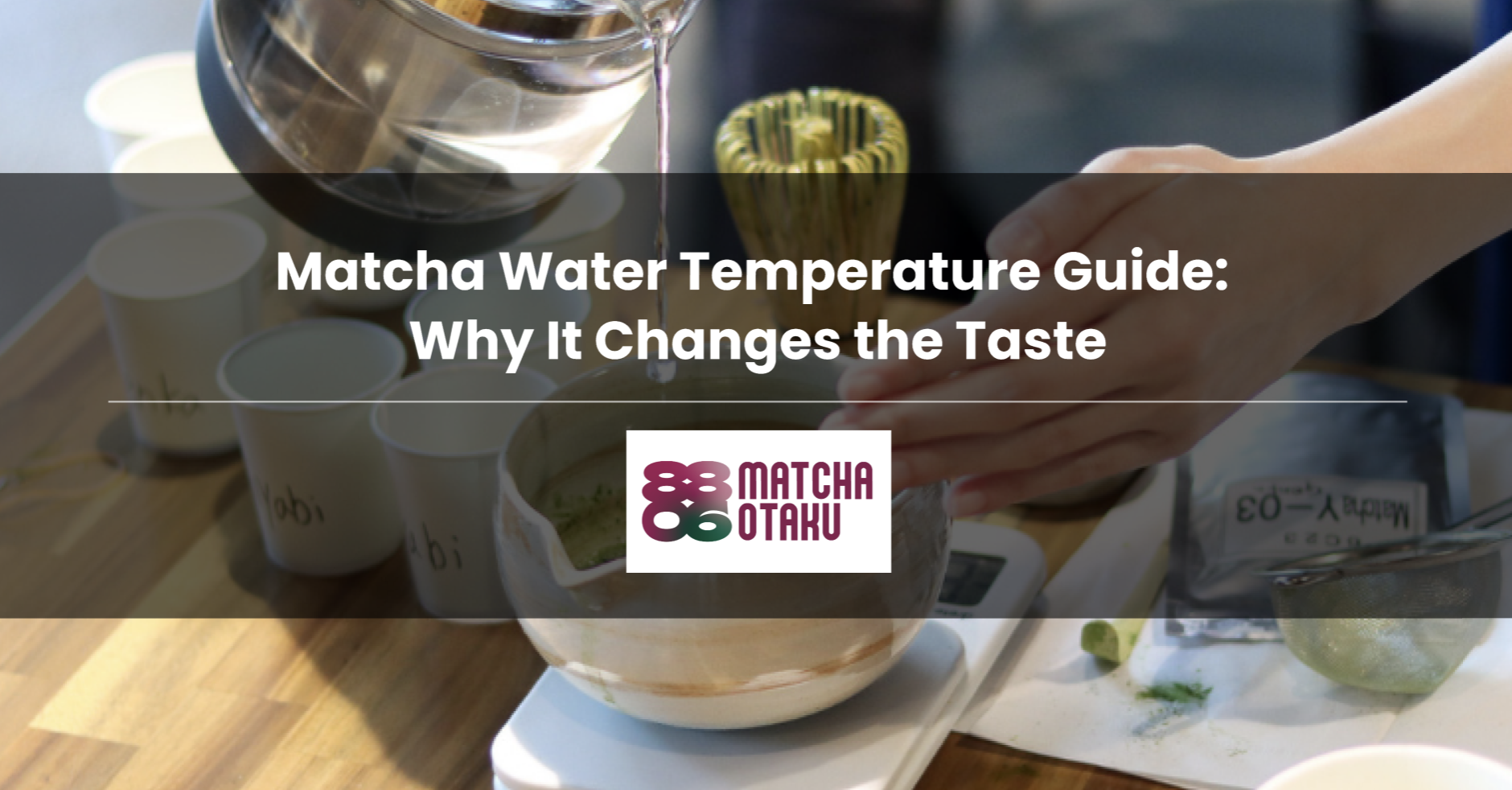
A bowl of matcha can taste sweet and grassy, or bitter and flat. The difference usually isn’t the powder — it’s the water. Whisking with water that’s too hot or too cool changes how the flavor compounds dissolve, and unlike steeped tea, there are no leaves to remove once matcha is in the cup.
This guide covers the ideal temperature range for matcha, why it matters so much more than with other teas, and how to hit that range consistently even without a thermometer.
Why Water Temperature Matters for Matcha
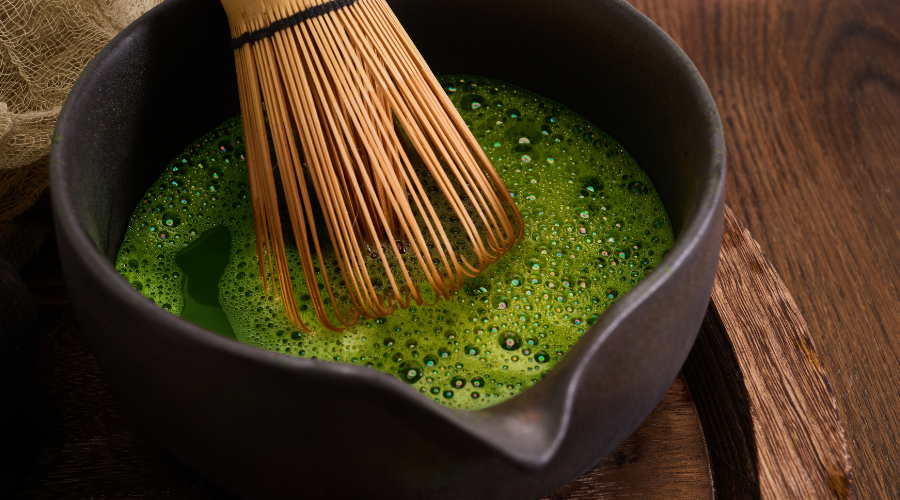
Matcha is a whole, powdered leaf whisked directly into the water, so everything in that leaf ends up in the cup — there’s no straining step to stop extraction partway through.
Different compounds dissolve at different rates depending on heat. Catechins and tannins, which taste bitter and astringent, extract quickly in hot water. L-theanine, the amino acid behind matcha’s natural sweetness and umami, dissolves well even at lower temperatures.
That’s the whole balancing act: water hot enough to bring out depth and aroma, but not so hot that bitterness drowns out the sweetness underneath. With loose-leaf tea, a rushed steep can be fixed by pulling the leaves out early. With matcha, the temperature is the only lever, since the powder stays in the bowl.
The Ideal Temperature Range — and What Goes Wrong Outside It
Most matcha tastes best whisked between 158°F and 176°F (70°C to 80°C) — well below boiling. Where exactly to land within that range depends on the grade.
| Matcha Type | Recommended Temperature |
|---|---|
| Ceremonial Grade (whisked straight, no milk) | 158°F–167°F (70°C–75°C) |
| Culinary / Latte Grade (mixed with milk or steamed) | 167°F–176°F (75°C–80°C) |
Ceremonial grade is usually enjoyed on its own, so a slightly cooler pour keeps every note smooth and balanced. Latte-grade matcha holds up to a bit more heat, since milk mellows out any extra bitterness before it reaches the tongue.
Water straight off a boil (about 212°F / 100°C) extracts catechins and tannins far too quickly. The result is a bitter, almost sour cup that buries the matcha’s natural sweetness, and the higher heat can flatten delicate aroma compounds as well.
Go too far the other way and problems show up just as fast. Water below about 140°F (60°C) doesn’t dissolve matcha well — the powder clumps, the froth stays thin, and the flavor comes out weak and watery instead of rounded.
Two Easy Ways to Hit the Right Temperature Without a Thermometer
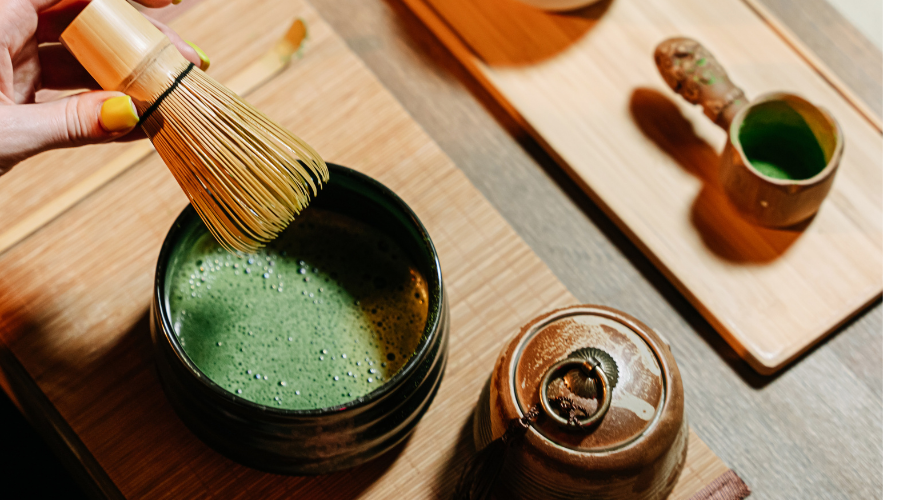
A thermometer isn’t required to land in the right range. Two simple tricks get everyday brewing close enough:
- Boil the water, then let it sit uncovered for 3-4 minutes before whisking. This brings freshly boiled water down close to the ideal range on its own.
- Pour the boiled water between two cups a couple of times. Each pour cools it by roughly 10°F (5-6°C), so two or three transfers usually lands right in range.
Room temperature and cup size both affect how fast water cools, so treat these as starting points and adjust by taste over a few tries. If matcha is part of a regular routine, a gooseneck kettle or an electric kettle with adjustable temperature settings removes the guesswork entirely.
One thing to avoid either way: reheating water that’s already gone cold. Re-boiled water loses dissolved oxygen and tends to flatten the flavor, so it’s worth starting with a fresh pour each time.
Matching Water Temperature to How You’re Drinking It
Traditional usucha (thin tea) is whisked with water on the cooler end of the range, since every flavor note comes through directly with nothing to soften it.
Koicha (thick tea), made with roughly double the matcha and less water, is even more sensitive to heat — many practitioners keep it toward the lower end of the ceremonial range to avoid overwhelming its concentrated flavor.
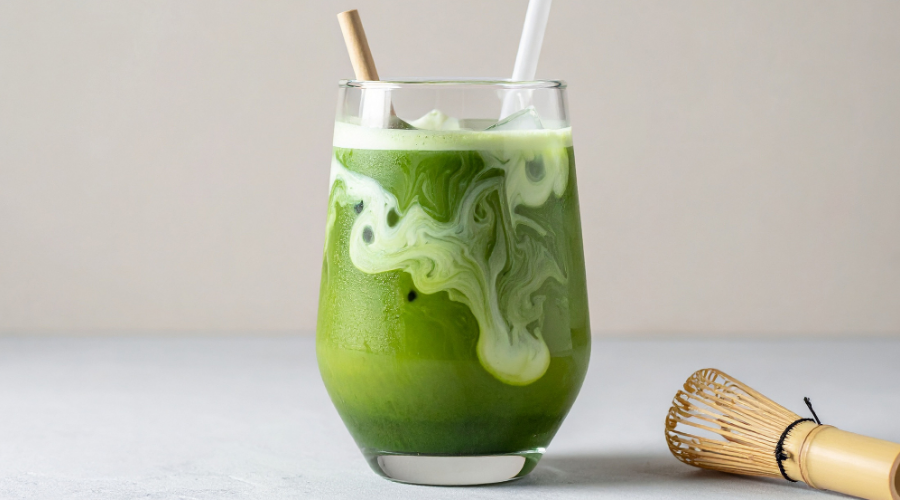
Matcha lattes are more forgiving. The milk dilutes the intensity, so slightly hotter water — especially if steamed together — still tastes balanced. For iced matcha, dissolve the powder in a small amount of hot water first, then add ice or cold milk, rather than trying to dissolve it directly into cold liquid.
The short version: whisk matcha between 158°F and 176°F (70°C-80°C), never boiling, and lean cooler for ceremonial grade or koicha and warmer for lattes. Too hot brings out bitterness; too cool leaves the flavor thin. No thermometer? Let boiled water rest a few minutes, or pour it between cups to cool it down.
Getting the temperature right matters most when the matcha itself is high quality.
【Disclaimer】
This statement has not been evaluated by the Food and Drug Administration. This product is not intended to diagnose, treat, cure, or prevent any disease.