Matcha Barista Training: How to Keep Quality Consistent Across Your Team


The same matcha latte can taste completely different depending on who makes it. One barista whisks it smooth and balanced, another leaves it clumpy or bitter, and customers notice the inconsistency even when they can’t name what’s wrong.
Unlike espresso, matcha doesn’t have a machine enforcing the ratio and timing automatically. This guide covers the variables that actually cause inconsistency, and how to build a simple training process that keeps quality the same across every shift.
Why Matcha Consistency Is Harder to Train Than Coffee
An espresso machine locks in dose, pressure, and extraction time, so two baristas pulling the same shot get close to the same result without thinking about it.
Matcha has no equivalent guardrail. Powder amount, water temperature, and whisking technique are all manual, so small habits — a heavier scoop, water straight off the boil, a rushed whisk — compound into a noticeably different cup. Without a standard to train against, quality drifts based on whoever happens to be on shift.
The Core Variables Every Team Member Needs to Match
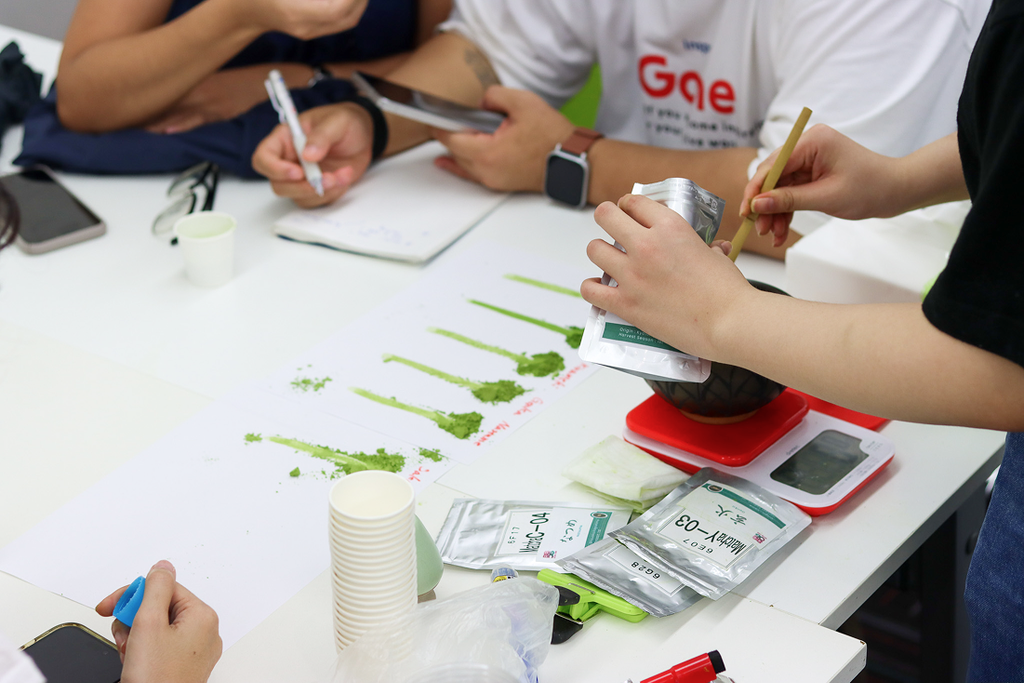
Consistency comes down to controlling a short list of variables the same way every time, regardless of who’s behind the counter.
- Powder-to-water ratio, measured by weight rather than eyeballed scoops.
- Water temperature — too hot brings out bitterness, too cool leaves the flavor thin and the powder clumped.
- Whisking technique and time, since an under-whisked matcha stays gritty while a properly whisked one turns smooth with fine foam.
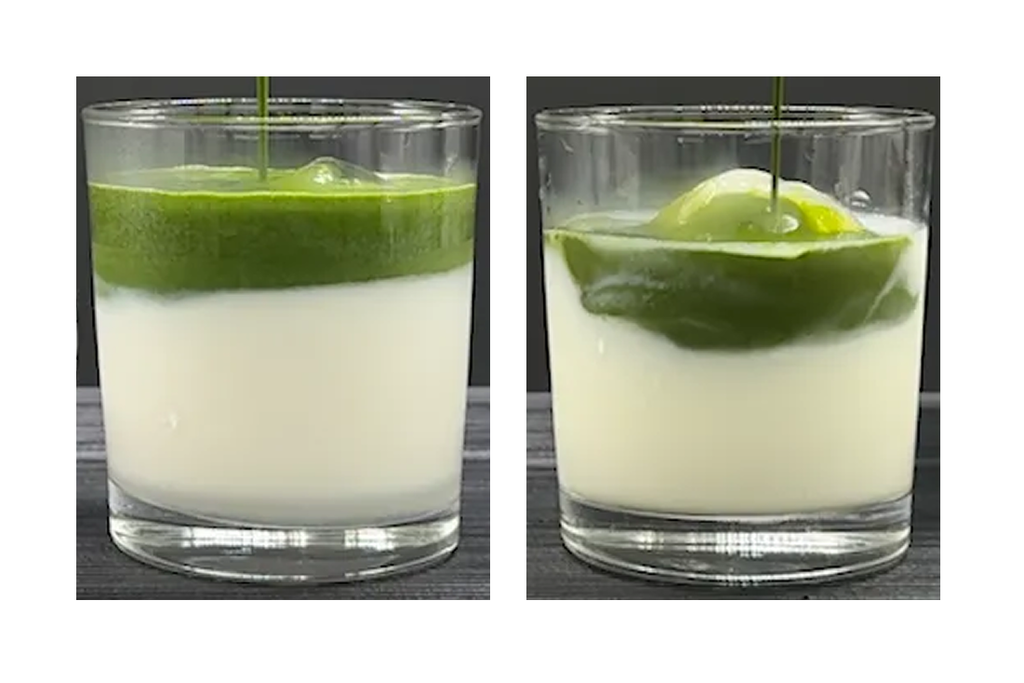
- Mixing order for lattes — whisking the matcha into a small amount of water first, then combining with milk, rather than dumping powder straight into cold or hot milk.
Once these four are written down and demonstrated the same way to everyone, most of the cup-to-cup variation disappears on its own.
Building a Simple Standard Operating Procedure

A one-page SOP posted at the station works better than a verbal explanation during onboarding, since new staff can reference it mid-shift instead of guessing.
Keep it specific: exact gram weights, a target temperature range, and a short description of what properly whisked matcha looks like — smooth, bright green, with fine microbubbles rather than large foam. A short video recorded once by an experienced barista covers the physical technique far better than text alone, and can be reused for every new hire afterward.
Keeping Quality Consistent Over Time
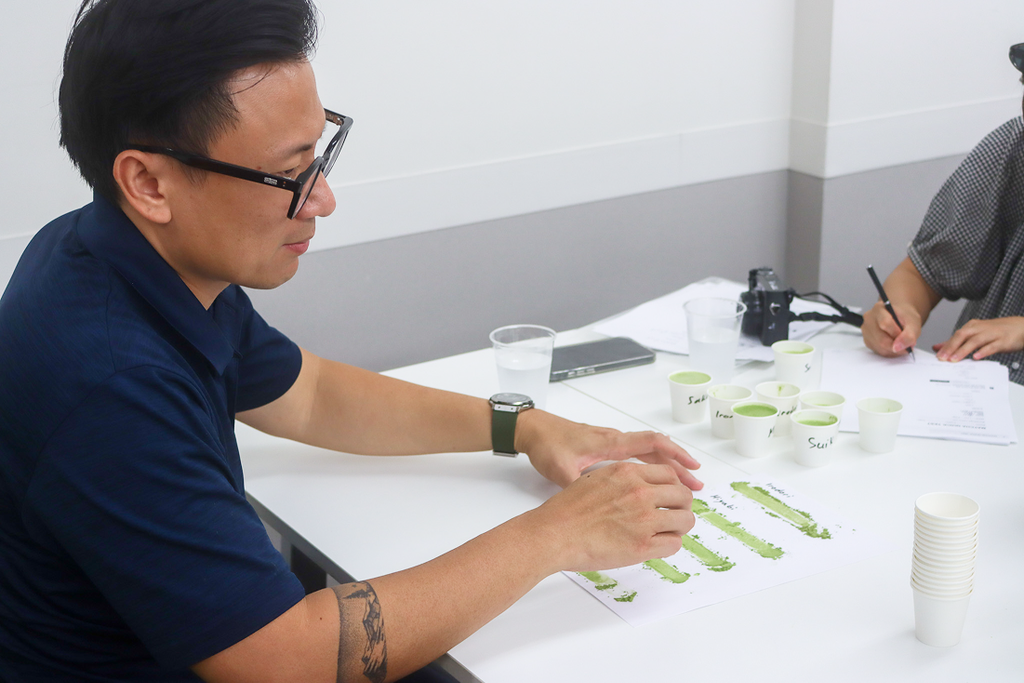
An SOP only works if it’s checked, not just handed out once. Periodic taste tests across different staff members catch drift before customers do.
Cross-training people across shifts also helps, since it exposes whether the standard is actually being followed consistently or just by whoever wrote it. Any time the recipe changes — a new seasonal drink, a different matcha grade, a switched supplier — retraining on the updated ratio and technique should happen before it hits the menu, not after complaints start coming in.
The Bottom Line
- Matcha lacks the built-in consistency of an espresso machine, so training has to standardize it manually.
- The variables that matter most are powder-to-water ratio, water temperature, whisking technique, and mixing order.
- A simple written SOP plus a short demo video trains new staff faster and more consistently than verbal instruction alone.
- Regular taste checks and retraining after any recipe change keep quality from drifting over time.
Consistent training starts with a consistent product. Matcha Otaku supplies cafes with reliably graded matcha suited to high-volume service. Request a sample or wholesale pricing to build your training program on a stable base.
【Disclaimer】
This statement has not been evaluated by the Food and Drug Administration. This product is not intended to diagnose, treat, cure, or prevent any disease.