First Harvest vs Second Harvest: Why Timing Defines Matcha Quality


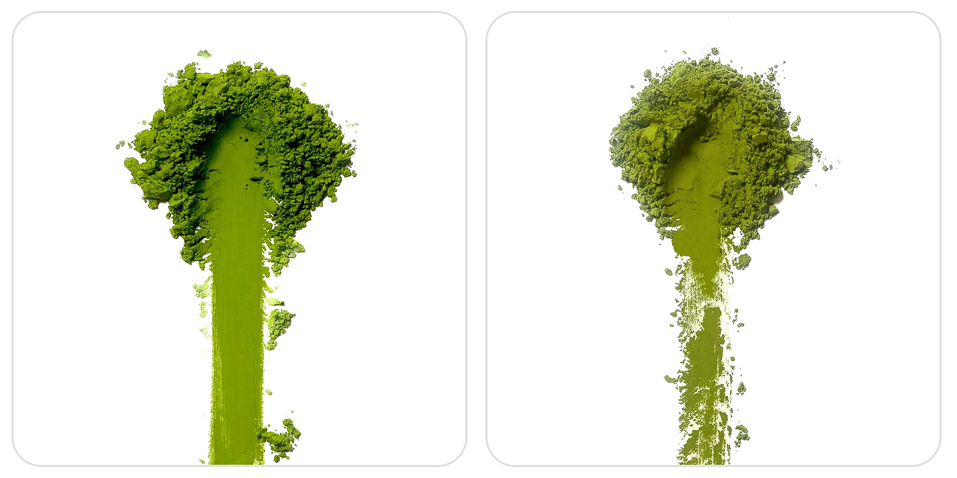
If you buy matcha for your cafe or shop, you have probably seen “first harvest” on a supplier’s spec sheet. Most buyers skip past it and focus on the grade name instead. But harvest timing is one of the biggest drivers of flavor, nutrient content, and price in matcha — and it is worth understanding before your next order.
What First Harvest and Second Harvest Actually Mean
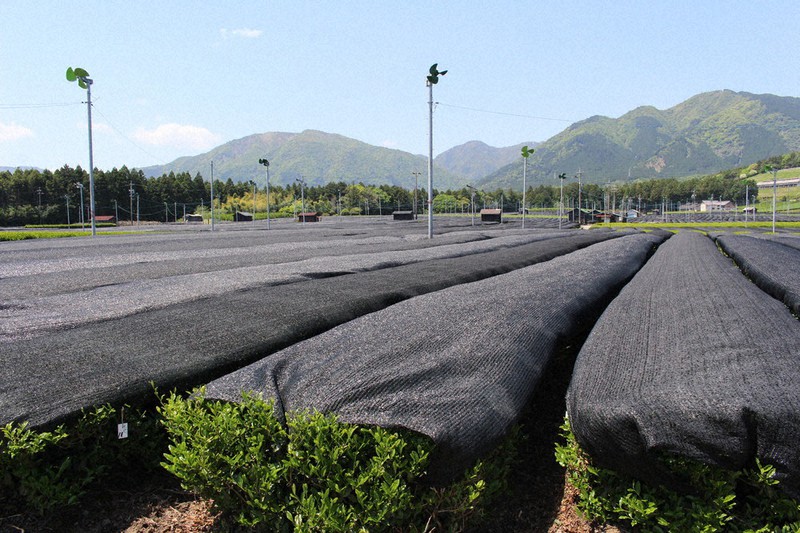
Japanese tea farmers harvest tea leaves multiple times a year. The first harvest is picked in spring (typically April to May). The second harvest is picked several weeks to a couple of months later, once the bush has grown a new flush of leaves.
Some regions take a third harvest as well, but for matcha-grade tencha, the first harvest versus second harvest split is what matters most. Each harvest produces leaves with a different chemical makeup, and that difference carries through to the final powder.
How Harvest Timing Shapes Flavor and Nutrients
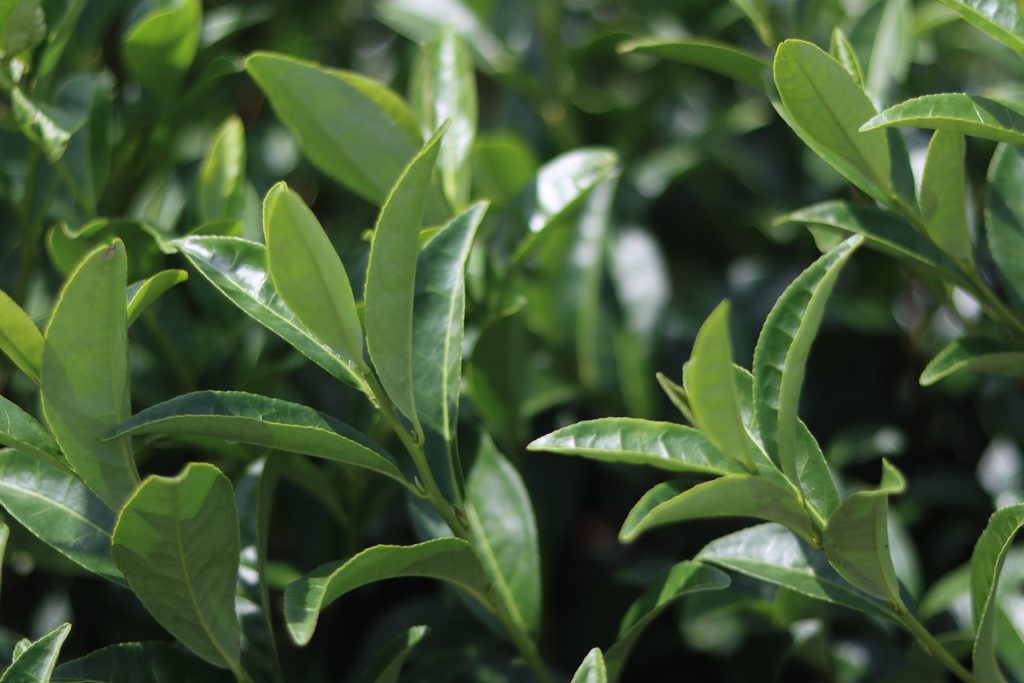
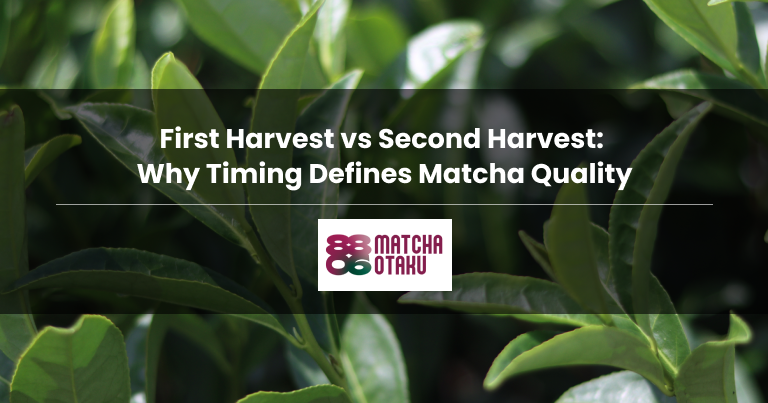
First harvest leaves grow slowly under shade cloths, often covered for 20 to 30 days before picking. That slow, shaded growth builds up chlorophyll and L-theanine while keeping catechins relatively low. The result is a smoother, sweeter, more umami-forward cup with less bitterness.
Second harvest leaves grow faster, in warmer weather, with less shading time. Catechin levels rise and L-theanine drops, which typically makes the flavor more astringent and grassier. Some cafes prefer this sharper profile for iced drinks or food pairings where a milder taste would get lost.
L-theanine is often associated with a calmer sense of alertness when paired with caffeine, though the exact effect varies by person and cup.
Why This Matters for Grading and Pricing
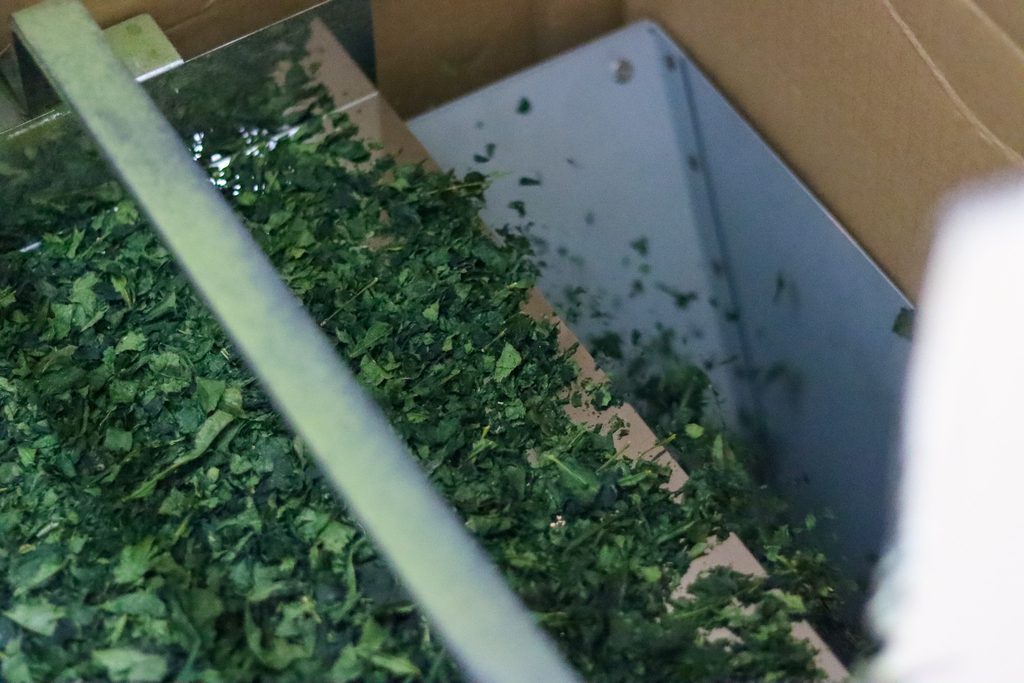
Ceremonial grade matcha almost always comes from the first harvest. The lower bitterness and higher umami are exactly what that grade is built around. The second harvest, by contrast, is more commonly graded culinary or blended into everyday drinking-grade powders.
Harvest timing also affects price. Tencha prices in Japan’s main growing regions have been trending upward in recent years, and first harvest yields are smaller and more weather-dependent than second harvest yields. That means when supply tightens, first harvest prices tend to move first and move hardest.
A number of small suppliers have also exited the market as costs climb, which makes knowing exactly what you are buying even more important for wholesale and private label buyers.
How to Verify Harvest Timing Before You Buy
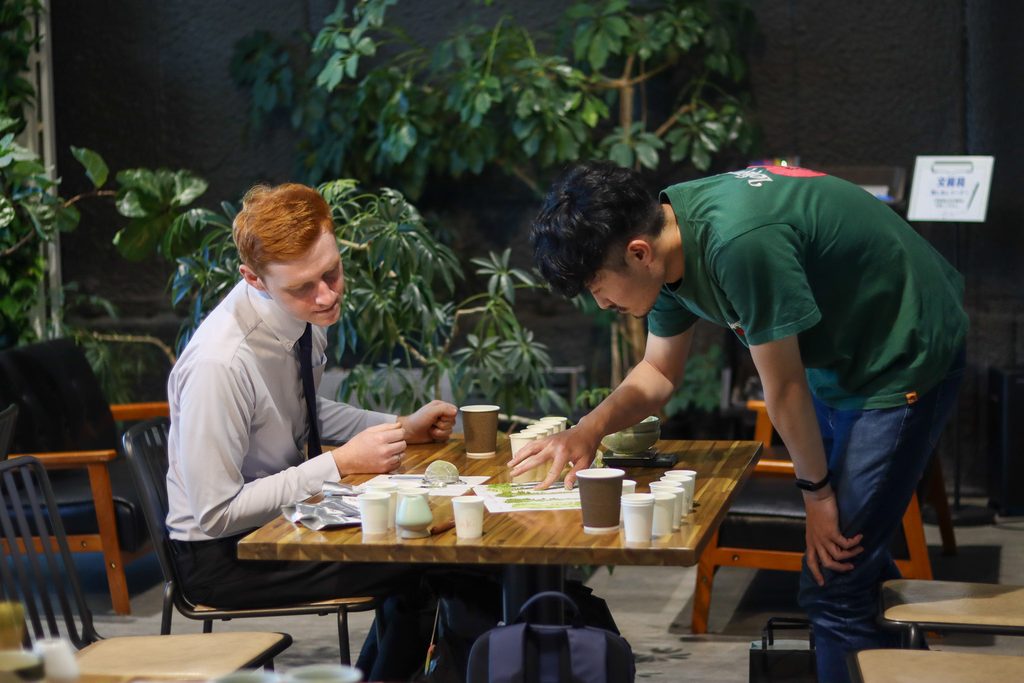
“Ceremonial grade” on its own does not guarantee first harvest, and label standards vary by supplier. A few questions can clear that up before you commit to an order:
- Ask for the harvest month or lot number, not just the grade name
- Request a spec sheet listing cultivar, harvest date, and shading duration
- Compare color: first harvest powder tends to look brighter and more vivid green, while second harvest often leans duller or more olive-toned
- Order a sample before placing a bulk or private label order, so you can taste the difference yourself
The Bottom Line
- First harvest builds more L-theanine and less bitterness, making it the base for ceremonial grade matcha
- Second harvest is more astringent and typically goes into culinary or blended grades
- Rising tencha prices have hit first harvest the hardest, so harvest timing now affects your margins directly
- Always ask suppliers for harvest specifics — grade names alone do not tell the full story
Want to compare harvests firsthand? Our Kyoto Uji Kirameki 1st is ceremonial-grade, first-harvest matcha from the Samidori cultivar, and our Irodori 2nd is a latte-grade blend built for everyday cafe use. Request samples of both to see how harvest timing shows up in the cup.
【Disclaimer】
This statement has not been evaluated by the Food and Drug Administration. This product is not intended to diagnose, treat, cure, or prevent any disease.