Matcha Headache: Why Does Matcha Give You a Headache? Causes and How to Prevent It


Do you love the focus of matcha but hate the thumping matcha headache that follows? This guide will show you exactly why your head hurts and how to fix it in seconds.
You will learn how to choose a “clean” powder that keeps you energized without the crash. If you have ever felt like your favorite tea is betraying you, don’t worry. The solution is often as simple as changing how and what you drink. Let’s get you back to feeling amazing.
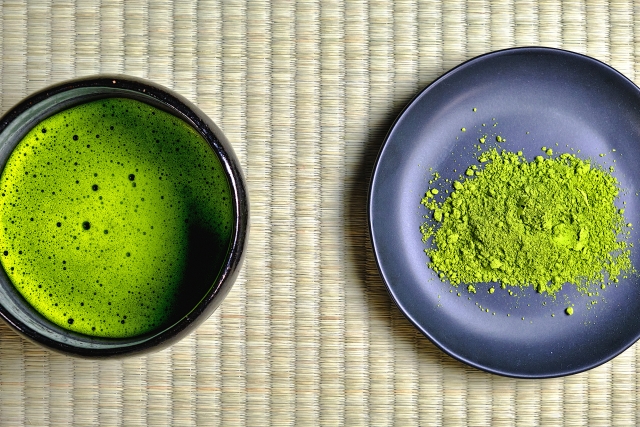
Why do Matcha headaches occur? Identifying the Main Causes of Caffeine and Tannin Sensitivity
Matcha is a superfood powerhouse. However, because you drink the whole ground leaf, your body receives a high dose of nutrients all at once. For some, this can lead to a dull ache or pressure in the temples. The real reasons for your discomfort often include:
Is It the Caffeine? Understanding How Matcha’s Caffeine Content Affects Your Blood Vessels
Caffeine acts as a “vasoconstrictor.” This is a fancy word for “it makes your blood vessels smaller.” When the caffeine leaves your body, the vessels open up fast. This sudden change often causes a throbbing headache.
According to the FDA, it is vital to know your limits. While coffee causes a “spike and crash,” matcha offers a “slow release” energy—but only if you use a premium, pure grade.
Could It Be Tannins or Dehydration? Other Common Triggers for Matcha-Induced Headaches
Tannins give matcha its earthy taste. But in lower-quality teas, tannins are much higher and more bitter. These can trigger headaches in sensitive people. Also, for every cup of tea, try to drink one cup of plain water. This keeps your brain hydrated and happy.
Can Matcha Cause Nausea and Stomach Pain? Common Side Effects You Should Know
Have you ever felt “shaky” or sick after your latte? This is often called “Matcha Sickness.” It usually happens when the tea’s natural acids hit an empty stomach.
What Is “Matcha Sickness”? Why Drinking Matcha on an Empty Stomach Might Make You Feel Ill
Tannins trigger your stomach to produce more acid. Without food to act as a “buffer,” this acid irritates your stomach lining.
Pro Tip
Pair your morning bowl with a small snack. A few nuts or a piece of fruit can stop nausea before it starts.
|
Common Issue |
How it Feels |
The Expert Fix |
|
Drinking on Empty |
Nausea / Queasy |
Eat a light snack first |
|
Dehydration |
Thumping Head |
Drink 8oz (236ml) of water |
|
Cheap Grade |
Bitter / Heartburn |
Switch to Lab-Tested Ceremonial Grade |
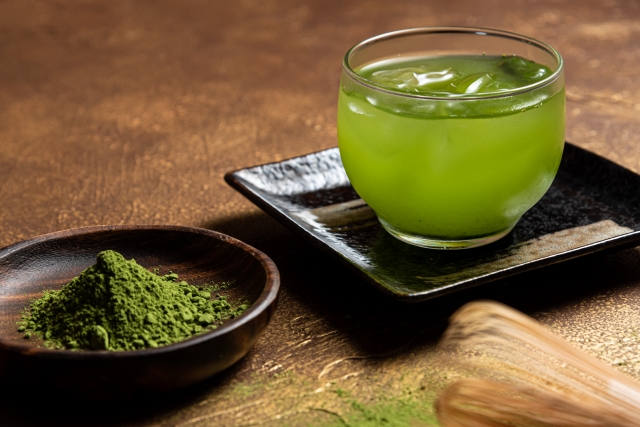
How Much Matcha Per Day Is Safe? Expert Tips to Enjoy Matcha Without the Side Effects
For most Americans, 1 to 2 servings a day is the “sweet spot.” This gives you incredible focus without overstimulating your heart.
What Is the Recommended Daily Intake? Balancing Benefits and Caffeine Limits
We recommend using about 1 teaspoon (2 grams) of powder per cup. Drinking 2 cups daily provides enough antioxidants to equal nearly 20 cups of regular green tea! This is more than enough to support your health.
How Can You Prevent Headaches? Smart Ways to Drink Matcha for a Better Experience
Does Quality Matter? Why Choosing the Best Ceremonial Grade Matcha Can Reduce Risks
This is the most important secret. Most “grocery store” matcha is actually Culinary Grade. It is made from old, tough leaves that are high in acid. Our Ceremonial Matcha is shade-grown in Japan and tested in a lab for purity. No lead, no radiation, just clean energy.
Learn more about the types of matcha.
Is Matcha Good for You? Exploring the Health Benefits and Antioxidants of This Superfood
When you drink pure matcha, the benefits are life-changing. It is packed with EGCG, a super-antioxidant that helps your cells stay young and healthy.
Can Matcha Help with Weight Loss? Understanding the Metabolic Benefits of Green Tea
Studies on PubMed show that the catechins in green tea can help your body burn fat faster during exercise. It’s a natural way to boost your metabolism.
Does Matcha Have Relaxing Effects? How L-Theanine Counteracts Caffeine Jitters
Matcha contains L-theanine, an amino acid that helps you relax. It works with caffeine to create a “Zen-like” focus. You get the energy of coffee without the “shaky” hands or anxiety.

Summary: How to Enjoy the Benefits of Matcha Without the Headache
A matcha headache is your body’s way of saying, “I need better quality” or “I need more water.” By following these tips, you can enjoy the ultimate energy boost without any pain.
Ready to experience the cleanest focus on Earth?
Don’t settle for dusty, bitter powders that cause pain. Try our Ceremonial Matcha and feel the difference in your first sip.
【Disclaimer】
This statement has not been evaluated by the Food and Drug Administration. This product is not intended to diagnose, treat, cure, or prevent any disease.