Matcha vs Green Tea: Why They Come from the Same Plant


If you’re thinking about adding matcha to your café menu, start with the basics — what matcha actually is and how it differs from regular green tea. Understanding the production process, nutrition, and caffeine content will also help when talking to suppliers or training staff. This article breaks down the differences across four key areas, and explains why matcha is taking the world by storm right now.
Do Matcha and Green Tea Come from the Same Plant?
Yes — both come from the same plant, Camellia sinensis. So do black tea and oolong. What makes them different comes down to just two things: how the plant is grown and how the leaves are processed. Those two factors shape everything — flavor, color, nutrition, and price.
How Are They Made Differently? The Secret of Shade Growing
How Matcha Is Grown
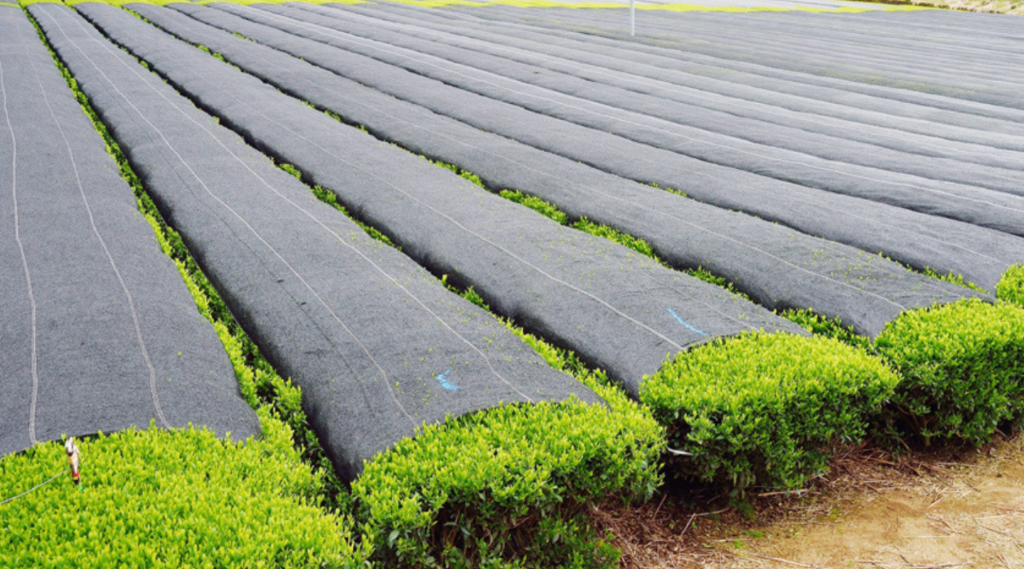
Three to four weeks before harvest, matcha plants are covered to block out sunlight. This triggers the leaves to produce more L-theanine — the amino acid behind matcha’s signature umami depth — and more chlorophyll, which gives matcha its vivid green color. Only the youngest shoots are hand-picked, then steamed and stripped of stems and veins to create tencha. Finally, the tencha is ground into a fine powder. Stone mills were traditionally used, but modern grinding machines are now standard to meet growing demand.
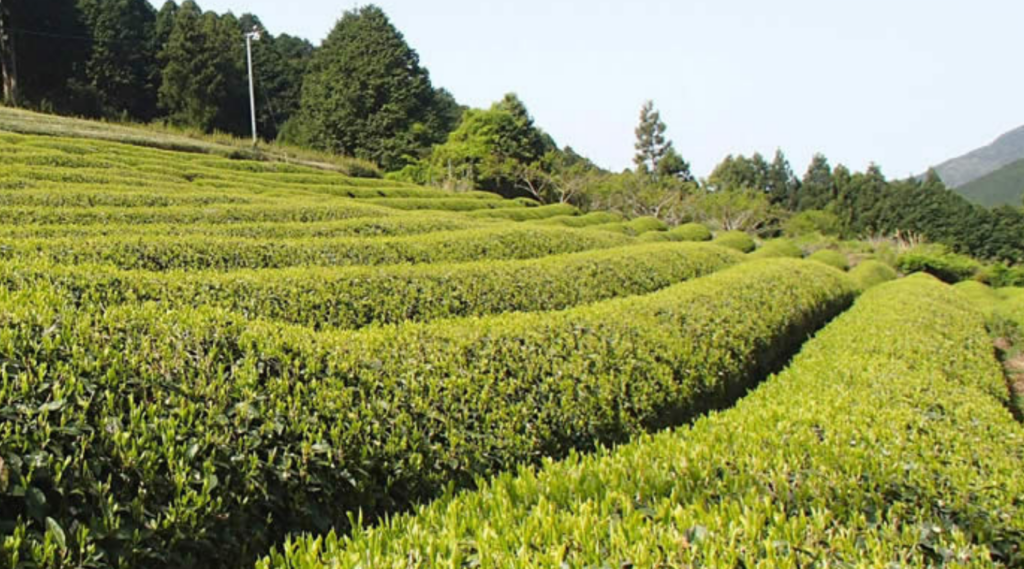
How Green Tea (Sencha) Is Grown
Regular green tea (sencha) involves no shade growing at all. The leaves are simply steamed, rolled, and dried — then steeped in hot water and discarded.
Flavor, Color, and Texture
| Wide range | Green Tea (Sencha) | |
|---|---|---|
| Color | Vivid, deep green | Light yellow-green to pale green |
| Flavor | Rich, umami, sweet, slightly bitter | Light and refreshing |
| Form | Fine powder | Loose leaf or tea bag |
| How it’s consumed | Dissolved in water or milk (whole leaf consumed) | Steeped, leaves discarded |
| Menu versatility | Lattes, desserts, cooking | Mainly as a drink |
| Price | Higher | Wide range |
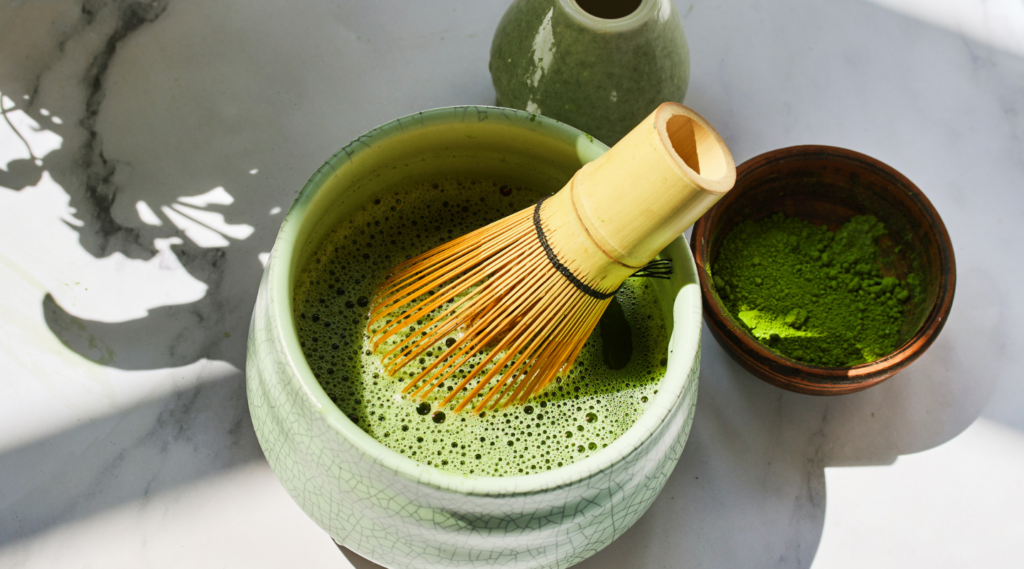
Matcha: A vibrant, deep-green powder with rich, complex flavor
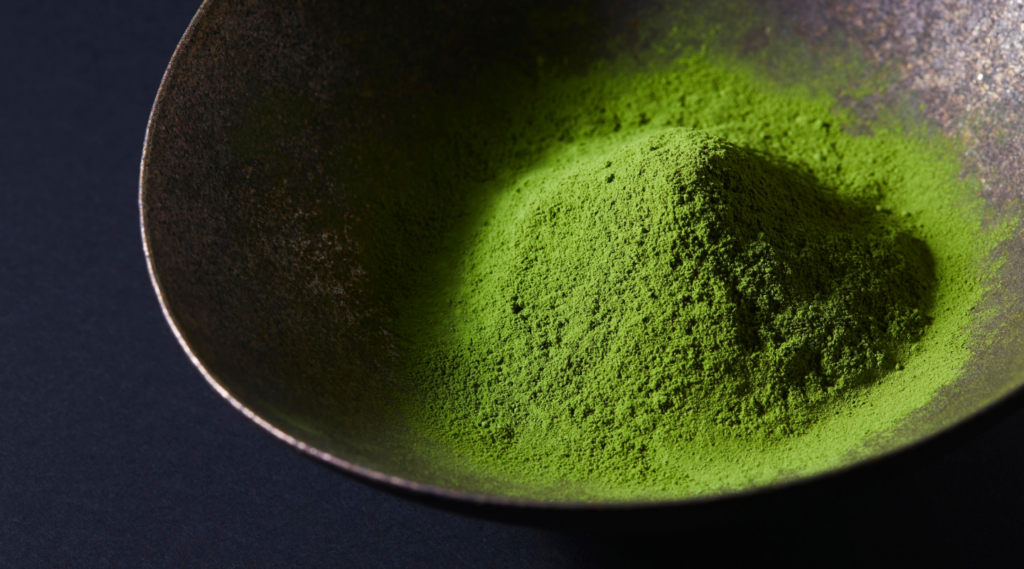
Matcha is a finely ground powder with a vivid, deep green color. Shade growing brings out a rich umami flavor with a natural sweetness. Because you’re consuming the whole leaf — dissolved in water or milk — you take in far more nutrients than you would with steeped tea. It’s versatile across lattes, desserts, and cooking, though that versatility comes at a higher price point.
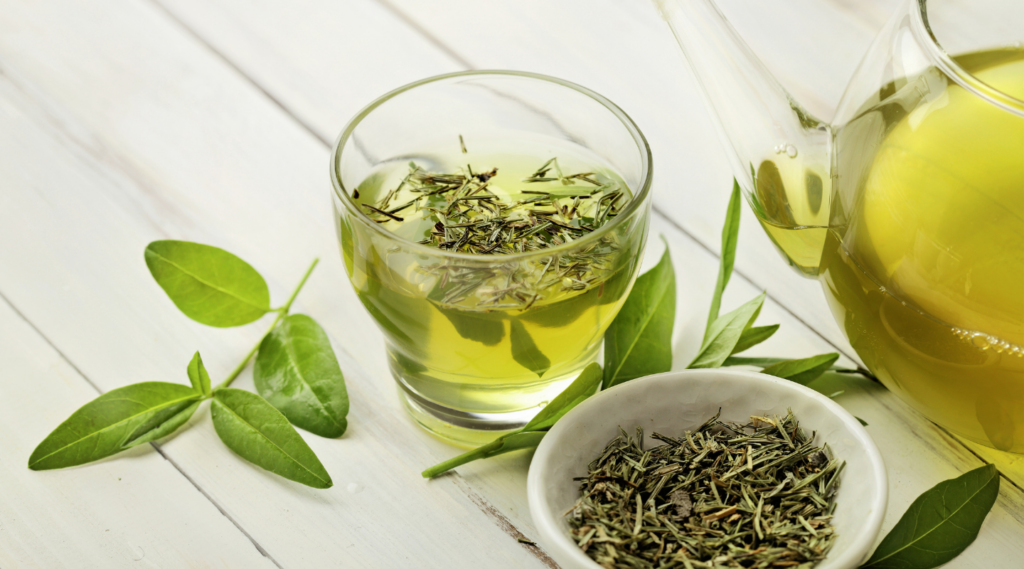
Green Tea (Sencha): A light, refreshing drink steeped from loose leaves or tea bags
Green tea (sencha) is a simple, approachable drink made by steeping loose leaves or a tea bag in hot water. The color ranges from light yellow-green to pale green, and the flavor is clean and refreshing. It’s used almost exclusively as a beverage, and is available at a wide range of price points.
Matcha’s striking green color photographs beautifully, making it a natural driver of social media buzz and word-of-mouth. That said, low-quality matcha tends to look dull — and that shows up in lattes and desserts.
Caffeine and Nutrition
When shopping in the U.S., these brands are the industry benchmarks for quality and transparency.
| Matcha | Green Tea | Green Tea | |
|---|---|---|---|
| Caffeine (per cup) | ~60–70mg | ~25–35mg | ~80–100mg |
| L-Theanine | Very high | Low | None |
| EGCG (Catechins) | Very high | Low–moderate | None |
| Dietary fiber | Yes | Barely | None |
Because matcha is rich in both caffeine and L-theanine, it delivers calm, focused energy — without the sharp spike and crash that coffee often causes. And since you’re consuming the whole leaf, you absorb significantly more nutrients than you would from steeped green tea. Position it not as a coffee substitute, but as a more refined alternative.
Why Is the World Reaching for Matcha Right Now?
The global rise of matcha isn’t driven by a single trend — it’s the result of several converging shifts:
🌱 The wellness boom
Functional compounds like EGCG and L-theanine resonate strongly with health-conscious consumers.
🌱 The coffee alternative movement
People tired of caffeine crashes are turning to matcha for a gentler, more sustained lift.
🌱 Social media appeal
Matcha’s vivid green spreads naturally on Instagram and TikTok, creating a self-sustaining cycle of new demand.
🌱 Growing interest in Japanese culture
People tired of caffeine crashes are turning to matcha for a gentler, more sustained lift.
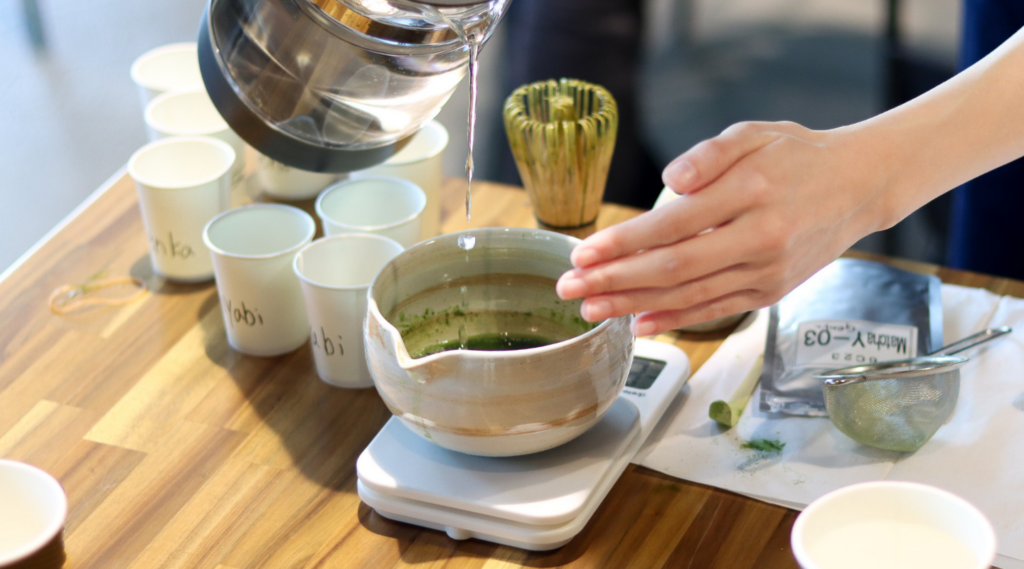
This isn’t a passing trend — it’s a structural shift in how people think about food and wellness. Adding matcha to your menu now puts you right in the path of that wave.
For sourcing inquiries or sample requests, feel free to reach out to Matcha Otaku. We’ll match you with the right matcha for your origin, grade, and intended use.
【Disclaimer】
This statement has not been evaluated by the Food and Drug Administration. This product is not intended to diagnose, treat, cure, or prevent any disease.