Matcha Target Customers: How to Choose the Right Segment for Your Cafe


Adding matcha to your menu is one decision. Knowing who you’re selling it to is another. Matcha appeals to a surprisingly wide range of people — but that breadth can work against you if your messaging tries to reach everyone at once. This guide breaks down the four main customer segments drawn to matcha, and gives you a framework for deciding which one fits your cafe.
1. The Wellness-Conscious Consumer

Who they are This segment pays close attention to what goes into their body. They gravitate toward organic products, functional foods, and ingredients with a story behind them. Their buying decisions are driven by the question: “Is this actually good for me?”
Why matcha resonates Matcha is rich in antioxidants, including EGCG (epigallocatechin gallate). Because the whole leaf is consumed as powder rather than steeped and discarded, it retains dietary fiber that would otherwise be lost. It also contains L-theanine, a compound that has been the subject of ongoing research into relaxation and focus. For this segment, matcha isn’t just a drink — it’s a functional choice.
What this means for your cafe
- Be specific on your menu: list the origin, grade, and any relevant certifications
- Higher-grade or organic matcha carries more weight with this audience
- Avoid making direct health claims — let the ingredients speak for themselves
2. The Coffee Switcher

Who they are Regular coffee drinkers who are starting to look for alternatives — not because they want to give up caffeine entirely, but because they’re open to exploring other options. They may be cutting back on coffee or simply curious about what else is out there.
Why matcha resonates Matcha contains caffeine, but research suggests that when consumed alongside L-theanine, it may support a different kind of alertness compared to coffee alone. For this segment, matcha offers a genuinely different drinking experience — not a compromise.
What this means for your cafe
- Frame matcha as “another option,” not a replacement — that framing lands better
- Dirty matcha (matcha latte with an espresso shot) is a useful bridge drink for coffee lovers who aren’t ready to make a full switch
- Make sure your staff can answer basic questions about caffeine content
3. The Social Media User

Who they are This segment discovers cafes through Instagram and TikTok, and their decision to visit — or order — is heavily influenced by what they’ve seen online. They’re not just passive consumers of content; many of them create it. Skews younger (20s–30s), but the behavior spans a wider age range than most people assume.
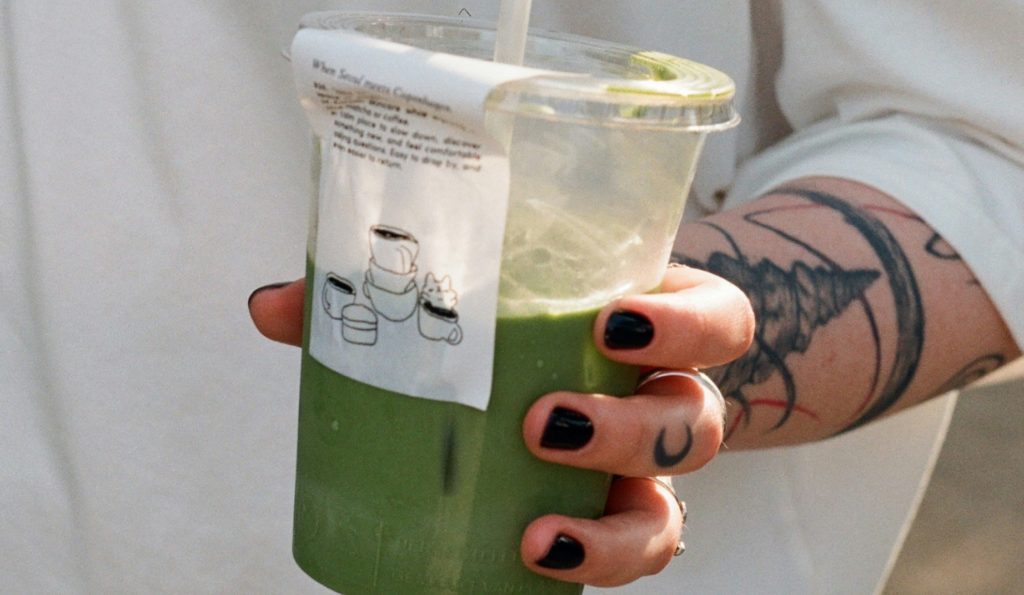
Why matcha resonates That bright green color is genuinely hard to scroll past. Layered matcha lattes, matcha-dusted pastries, seasonal specials — matcha generates the kind of content that gets shared. The ingredient itself has a sustained presence on social platforms, which means new customers are constantly discovering it.
What this means for your cafe
- Invest in the visual: glassware, layering technique, and garnishes matter more than you’d think
- Seasonal limited-edition drinks create urgency and give people a reason to post
- Think about your physical space — good lighting and a clean background go a long way
4. The Japanese Culture Enthusiast
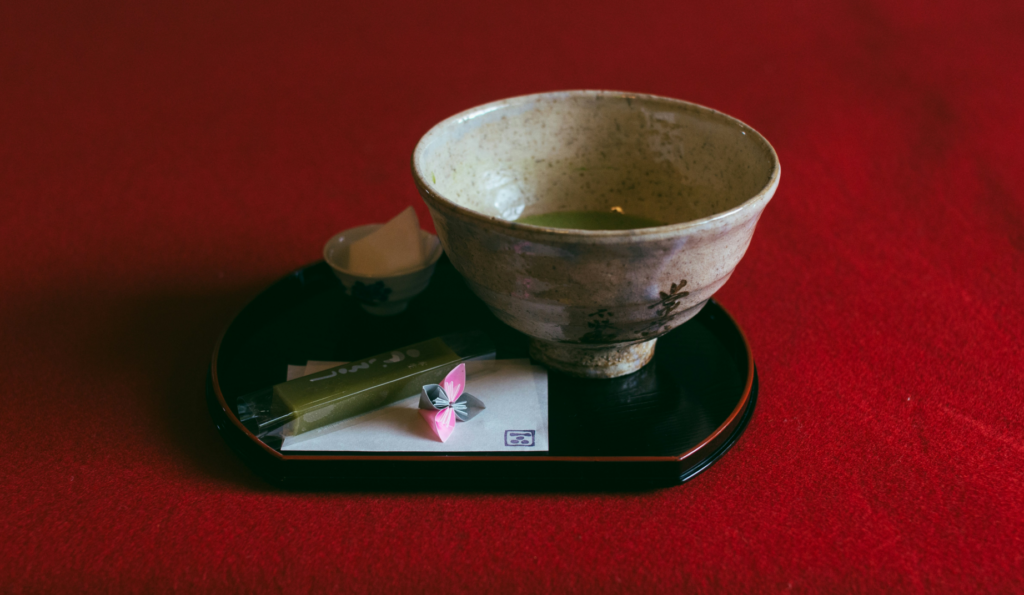
Who they are This segment has a genuine interest in Japanese food and culture — whether through travel, cooking, or simply a long-standing appreciation for Japanese aesthetics and craft. They value authenticity, provenance, and the story behind what they’re consuming. Price is secondary to quality and meaning.
Why matcha resonates Matcha is rooted in Japanese tea ceremony tradition, and for this audience, that heritage matters. They want to know where it’s from, how it was grown, and what makes one matcha different from another. When you can answer those questions, you’re not just selling a drink — you’re offering an experience.
What this means for your cafe
- List the growing region (Uji, Kagoshima, Yame, etc.) and quality grade on your menu — terms like “Ceremonial Grade” are widely recognized in international markets
- Train your staff to speak briefly but confidently about origin and preparation
- This segment supports premium pricing, which gives you room to work with higher-quality sourcing
How to Choose Your Target: Three Questions Worth Asking
You don’t need to appeal to all four segments — and trying to will dilute your message. Here’s a simple framework for narrowing it down.
① Who’s already walking through your door? Start with who you’re already serving. The right target segment isn’t always who you wish were coming in — it’s who your location, price point, and existing brand already attract. Build from there.
② Does it match your cafe’s identity? “Wellness-focused,” “trendy,” “authentic,” “everyday” — your cafe already communicates something to the people who walk past it. The segment you target should feel like a natural extension of that, not a contradiction.
③ Can you back it up with the right product? If you’re going after the Japanese culture enthusiast, you need sourcing that can hold up to scrutiny. If you’re targeting the wellness consumer, being able to speak to quality and ingredients matters. Your target segment and your matcha grade need to be aligned — otherwise the message falls flat.
The Bottom Line

The four main customer segments drawn to matcha each have different motivations:
- Wellness consumers care about ingredients, quality, and function
- Coffee switchers are looking for a different kind of experience
- Social media users are driven by visuals, trends, and shareable moments
- Japanese culture enthusiasts value authenticity, provenance, and craft
Which segment you focus on shapes everything downstream — the grade of matcha you source, how you write your menu, and what you train your staff to say. Getting clear on your target first makes all of those decisions easier.
If you’re ready to match your sourcing to your target customer, Matcha Otaku can help. Get in touch for product recommendations, samples, and wholesale pricing.
【Disclaimer】
This statement has not been evaluated by the Food and Drug Administration. This product is not intended to diagnose, treat, cure, or prevent any disease.