Matcha Latte for Cafe Menus: The Right Recipe and 5 Seasonal Drink Ideas


Matcha lattes have gone from niche to mainstream in cafes around the world — but “winging it” behind the counter leads to inconsistent quality and wasted product. This guide walks you through a cafe-ready matcha latte recipe with exact measurements, plus five seasonal variations you can plug straight into your menu.
1. Which Matcha We Use
All recipes in this guide are built around Irodori 2nd (Latte Grade) — a blend of Saemidori, Yutakamidori, and Yabukita cultivars sourced from Shizuoka and Kagoshima. It’s HALAL and FDA certified, and specifically formulated to hold up beautifully when mixed with milk.
Compared to ceremonial grade, latte grade gives you consistent quality and color at a price point that actually works for high-volume service. For cafes going through matcha every day, it’s the practical choice — without cutting corners on quality.
2. The Base Matcha Latte Recipe
Hot Matcha Latte (serves 1)
| Ingredient | Amount | Notes |
|---|---|---|
| Matcha powder (Irodori 2nd) | 3g | Just over 1 tsp |
| Hot water | 90g | 176°F (80°C) — not boiling |
| Steamed milk | 150–180ml | Whole milk recommended |
How to make it
- Add 3g of matcha powder to your cup.
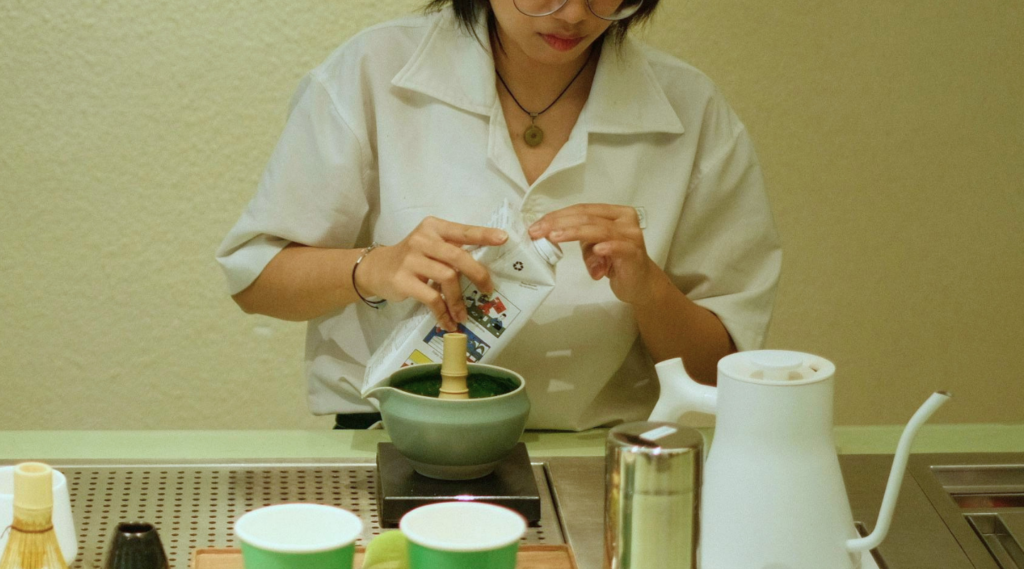
- Pour in the hot water a little at a time, whisking or frothing until fully dissolved — no clumps.
- Pour in steamed milk and serve.
Pro tip: Water that’s too hot will turn the matcha bitter. Keeping it at 176°F (80°C) is what brings out that natural sweetness and umami.
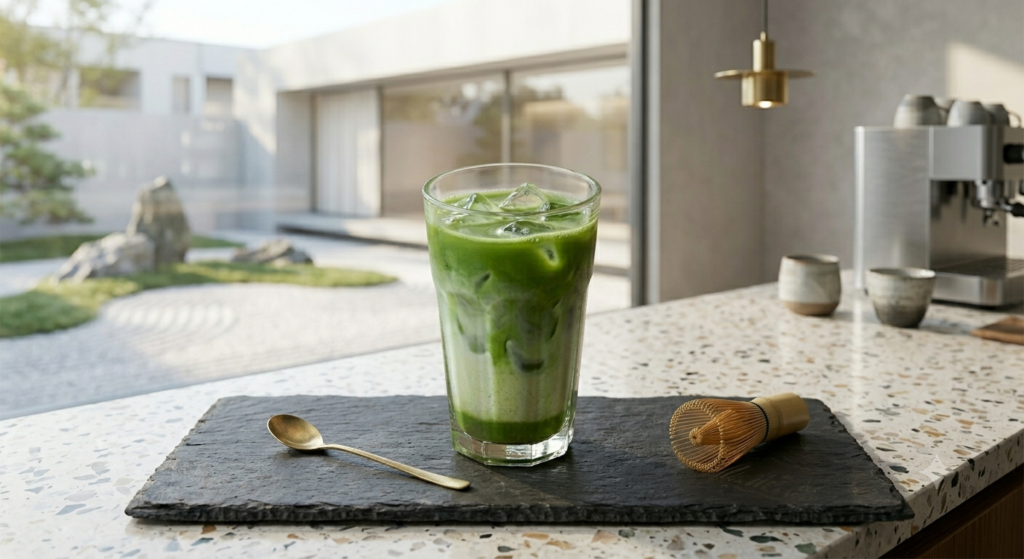
Iced Matcha Latte (serves 1)
| Ingredient | Amount | Notes |
|---|---|---|
| Matcha powder (Irodori 2nd) | 3g | |
| Hot water | 90g | 176°F (80°C) |
| Cold milk | 150–180ml | Whole milk or plant-based |
| Ice | As needed |
How to make it
- Dissolve 3g of matcha in 90g of hot water to make the matcha base.
- Fill a glass with ice, then pour in cold milk.
- Slowly pour the matcha base over the top to create a layered effect. Stir before serving, or leave it layered and let the customer mix it themselves.
Pro tip: Serving it layered looks great on camera — and customers love sharing it. Easy free marketing.
3. Five Seasonal Menu Ideas
Each of these builds on the same base (3g matcha + 90g hot water), so your workflow stays consistent no matter the season.
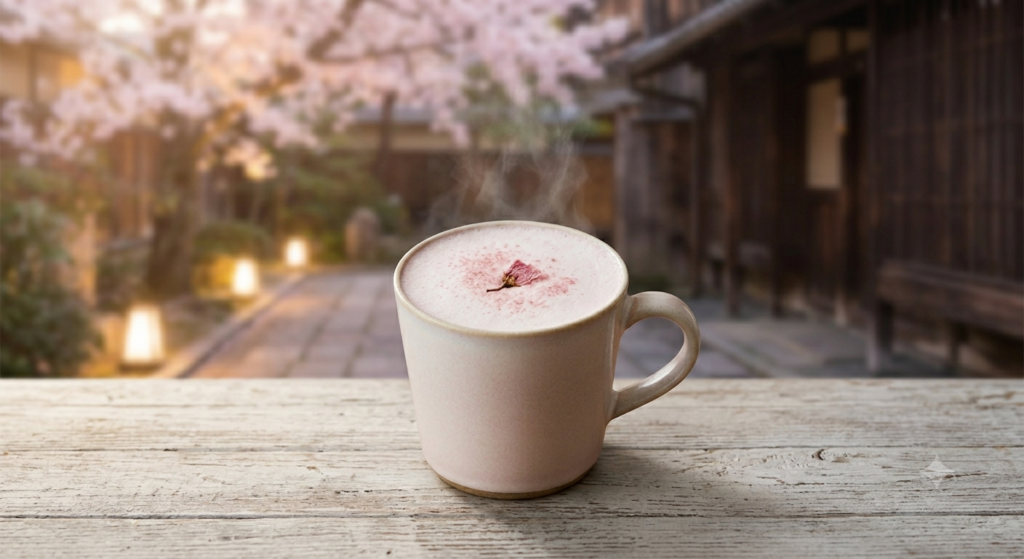
① Spring: Matcha Sakura Latte
Season: March – April
Cherry blossom syrup (or rose water) added to a classic matcha latte. The pink-and-green contrast photographs beautifully, making it a natural fit for spring limited-time menus.
| Add-in | Amount |
|---|---|
| Sakura syrup (or rose syrup) | 15–20ml |
| Steamed milk | 150ml |
Serving suggestion: Top with milk foam and a salt-preserved cherry blossom for a visual that practically markets itself.
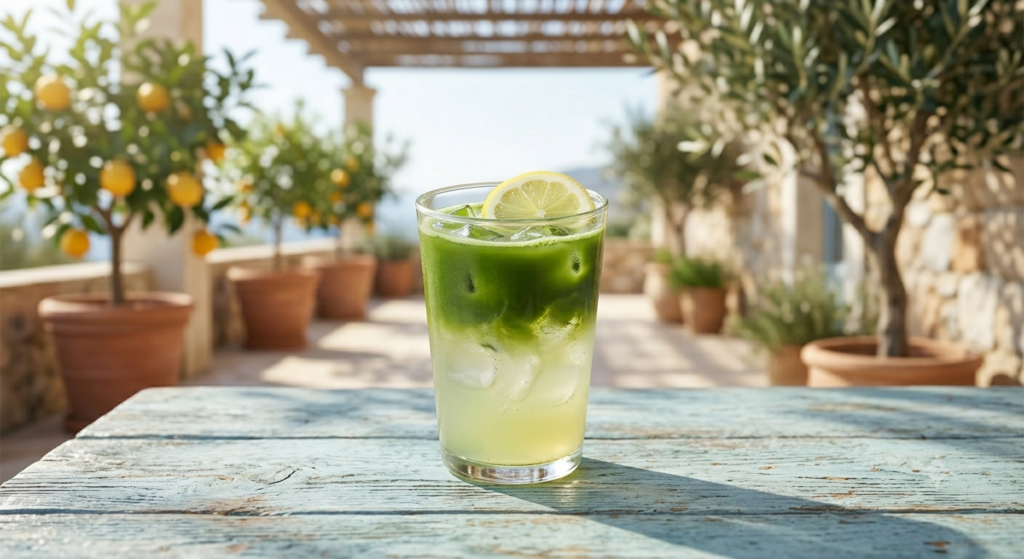
② Summer: Matcha Lemonade
Season: June – August
Swap the milk for lemonade and you’ve got a light, refreshing option that’s completely dairy-free — great for vegan customers and anyone who’s lactose intolerant.
| Add-in | Amount |
|---|---|
| Fresh lemon juice | 30ml |
| Simple syrup | 15ml |
| Sparkling water or still water | 150ml |
| Ice | As needed |
Serving suggestion: Pour the matcha base last so it sits on top as a bright green layer. Hard to scroll past on Instagram.
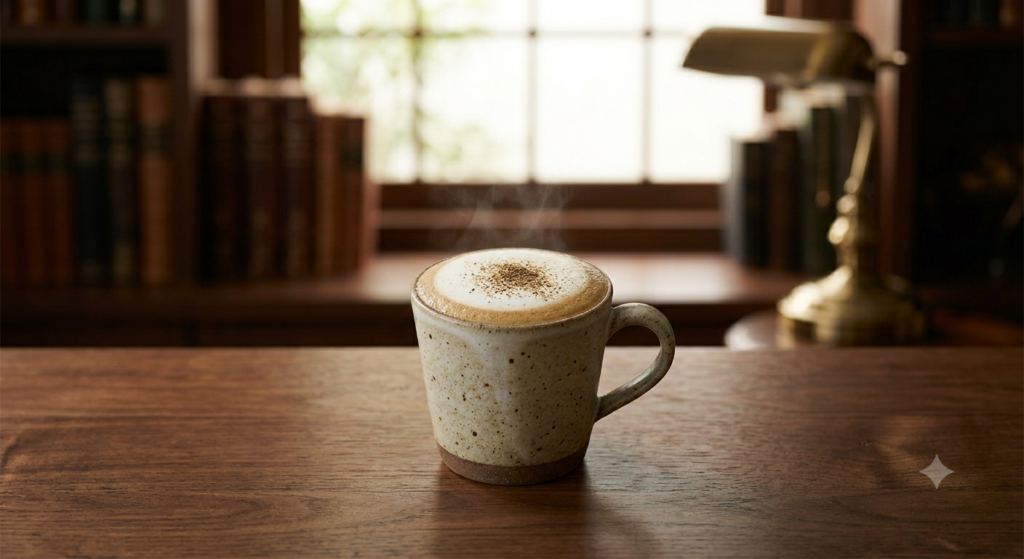
③ Fall: Matcha Hojicha Latte
Season: September – November
Bright matcha meets the warm, roasted notes of hojicha for a drink that feels made for autumn. If you’re already running a hojicha latte, this is a simple, low-effort addition.
| Ingredient | Amount |
|---|---|
| Matcha powder | 1.5g |
| Hojicha (brewed strong) | 60ml |
| Steamed milk | 150ml |
Serving suggestion: A dusting of cinnamon or kinako (roasted soybean powder) on top ties the whole thing together.
④ Winter: Matcha White Chocolate Latte
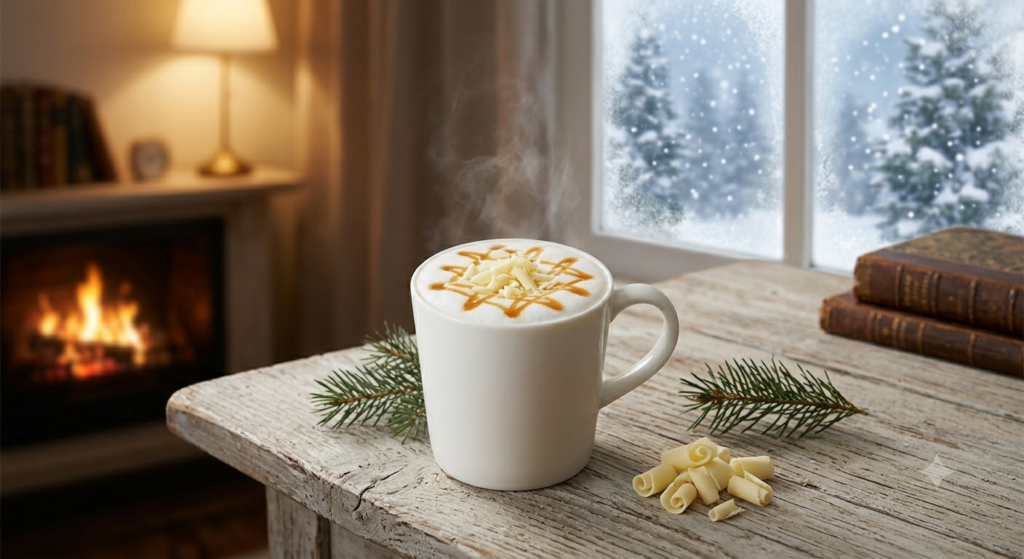
Season: November – February
The slight bitterness of matcha and the sweetness of white chocolate are a natural match. Rich, indulgent, and easy to position as a premium menu item — which means room to price it accordingly.
| Add-in | Amount |
|---|---|
| White chocolate sauce | 20–25ml |
| Steamed milk | 150ml |
Serving suggestion: Finish with whipped cream and a light dusting of matcha powder. It looks expensive because it is — and that’s the point.
⑤ Year-Round: Dirty Matcha
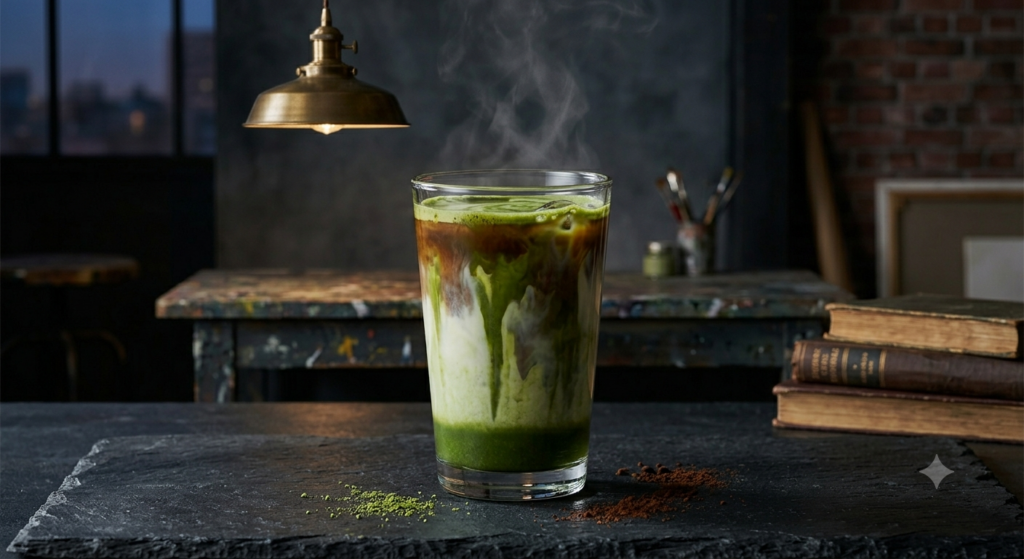
Season: All year (especially strong in the morning)
A shot of espresso layered over a matcha latte. It pulls in both the coffee crowd and the matcha crowd — and it’s spreading fast across cafes in the US and Europe.
| Add-in | Amount |
|---|---|
| Espresso | 1 shot (approx. 30ml) |
| Steamed milk | 150ml |
Serving suggestion: Build the matcha latte first, then pour the espresso shot gently over the top to get three distinct layers. Serve unstirred and let the customer mix it — half the fun is watching it come together.
4. Wrapping Up
- The foundation is simple: 3g matcha + 90g water at 176°F (80°C). Get that right and everything else follows.
- Latte grade keeps quality consistent without the ceremonial grade price tag — the smart call for daily service.
- One base recipe, five seasonal variations. Your menu stays fresh without adding complexity to your workflow.
- Layered presentation and thoughtful garnishes turn every cup into content.
Interested in sampling Irodori 2nd for your cafe? Get in touch with Matcha Otaku for wholesale pricing and samples.
【Disclaimer】
This statement has not been evaluated by the Food and Drug Administration. This product is not intended to diagnose, treat, cure, or prevent any disease.