Matcha Powder vs Tea Bags: Which is Best for Your Health?


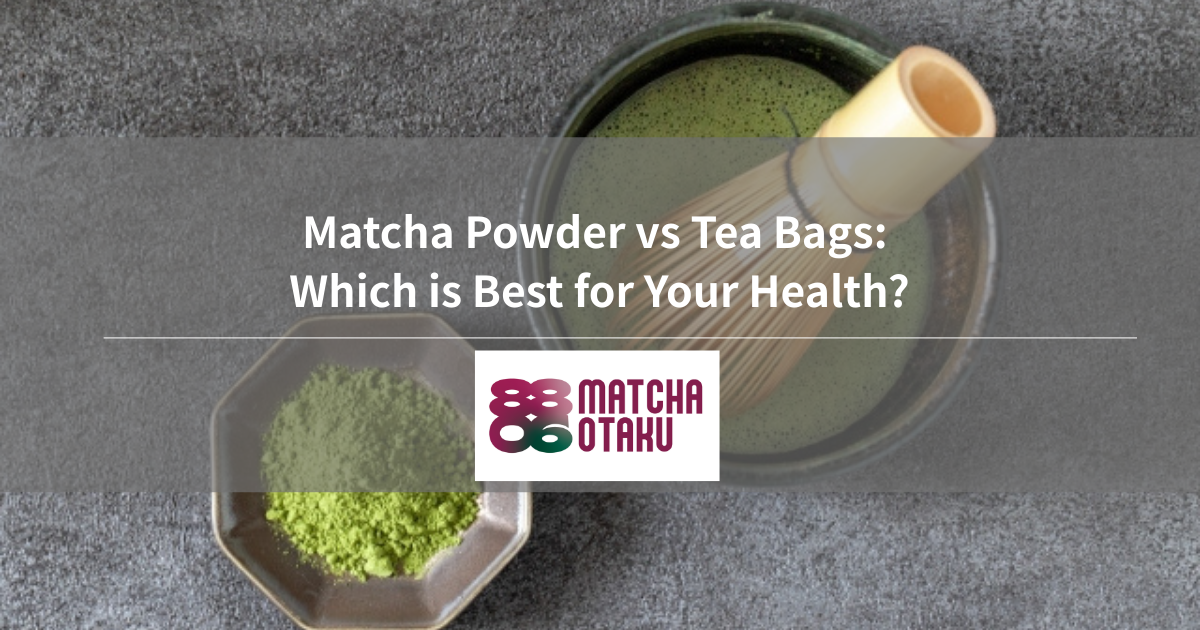
Are you confused about choosing between convenient tea bags and traditional powder for your daily caffeine boost? In this guide, you will discover the key differences in nutrition, taste, and quality between these two popular options. By the end of this article, you will know exactly which type of matcha fits your lifestyle and how to find the best products.

What Is Matcha and How Does It Differ From Regular Green Tea?
Matcha is more than just a green powder; it is a celebrated part of Japanese culture. While both come from the Camellia sinensis plant, the way they are grown makes a huge difference. Matcha is shaded from the sun for weeks before harvest to increase its nutrient levels.
Is Matcha Green Tea? Understanding the Unique Production Process
Yes, matcha is a type of green tea, but it is not your average cup of tea. Traditional green tea is made by steeping leaves in hot water and then throwing the leaves away.
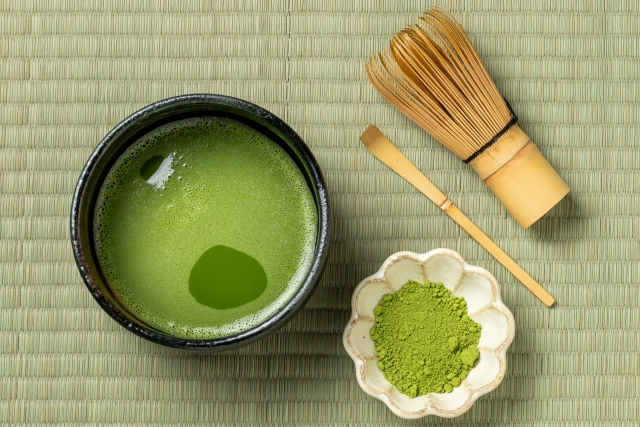
In contrast, matcha is made from tea leaves that are ground into a fine, silky powder. Because you consume the whole leaf, you get 100% of the nutrients. This process begins with “Tencha,” which are shade-grown leaves with the stems and veins removed. This careful method creates a vibrant green color and a rich, sweet flavor profile.
Matcha Powder vs Tea Bags: What Is the Real Difference in Form?
The biggest difference lies in how you drink them. When you use a matcha tea bag, you are usually steeping low-grade matcha or broken tea leaves. You only get the water-soluble nutrients. Matcha powder is the “whole food” version of tea. When you whisk the powder into water, you are drinking the actual leaf. This results in a much thicker texture and a more powerful boost of energy compared to the thin consistency of a tea bag.
Benefits and Caffeine: Should You Prioritize Health or Ease?
Choosing between powder and bags often depends on your schedule. Tea bags are great for a quick morning at the office. However, if you want the full health benefits of matcha, the powder version is the clear winner.
Which Has More Benefits? Comparing Matcha Caffeine and Nutrients
Matcha powder contains significantly more antioxidants and caffeine than tea bags. One cup of matcha powder can have the nutritional value of up to 10 cups of regular brewed green tea.
|
Feature |
Matcha Powder (1 tsp) |
Matcha Tea Bag (1 bag) |
|
Caffeine |
70mg – 140mg |
20mg – 35mg |
|
Antioxidants |
Very High (EGCG) |
Moderate |
|
Preparation Time |
2-3 minutes |
1-2 minutes |
|
Versatility |
High (Lattes, Baking) |
Low (Steeping only) |
Is a Tea Bag Enough? Evaluating Weight Loss and Antioxidants
Many people use matcha for weight loss because it contains EGCG (epigallocatechin gallate). This is a plant compound that helps speed up metabolism. Research from organizations like the National Institutes of Health (NIH) suggests that green tea catechins can help with fat oxidation.
Learn more about weight loss.
Because tea bags only provide a fraction of the leaf’s surface area to the water, you miss out on many antioxidants. If your goal is wellness, the powder provides the concentration needed to truly impact your health.
How to Choose High Quality Matcha Without Making a Mistake
Not all matcha is created equal. Many products sold in grocery stores are yellow or brown, which means they are old or of poor quality. High-quality matcha should always be a bright, electric green.
Ceremonial vs Culinary Grade: Which Type Do You Really Need?
You will usually see two labels on matcha products:
If you are making a latte or baking cookies, save your money and buy culinary-grade. If you want to drink it as a traditional tea, invest in ceremonial grade.
Learn more about types of matcha.
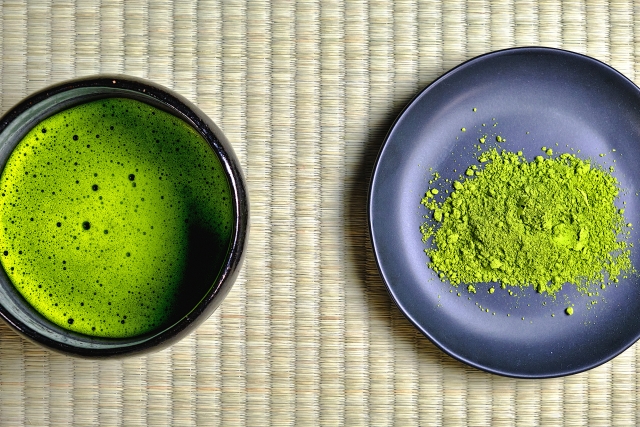
What Are the Secrets to Finding the Best Organic Japanese Matcha?
To find the best “real matcha,” always check the origin. Authentic matcha should come from Japan, specifically regions like Uji or Nishio. Japanese farmers have perfected the shading and grinding techniques over centuries. Look for “Organic” certifications to ensure no harmful pesticides were used.
Also, check the packaging. Matcha is sensitive to light and air. The best brands use airtight tins or opaque pouches to keep the powder fresh and vibrant.
How to Make Matcha Tea at Home for Lattes and Baking
Making matcha at home is a fun and rewarding ritual. You do not need fancy tools, but a few simple steps will make your tea taste much better.
Want the Perfect Cup? How to Make Matcha Tea Without Clumps
The most common complaint is that matcha stays clumpy. To avoid this, always sift your powder through a fine-mesh strainer first.
Ingredients:
Instructions:
- Sift the matcha powder into a small bowl.
- Add the hot water (around 175°F or 80°C).
- Whisk vigorously in a “W” motion until a thick froth forms on top.
- If making a latte, pour the frothed matcha over warmed or iced milk.

Can You Recreate the Starbucks Matcha Latte Recipe at Home?
You can easily make a healthier version of the Starbucks favorite. The secret to their taste is a lot of sugar mixed into the matcha blend. At home, you can use high-quality powder and your choice of sweetener like honey or maple syrup. Using a milk frother will give you that creamy texture you love.
It is much cheaper to make at home, and you can control the quality of the ingredients. You can find our Premium Culinary Matcha here to get started on your home barista journey.
Frequently Asked Questions About Choosing the Best Matcha
Conclusion: Which Should You Buy for Your Daily Lifestyle?
If you want the most health benefits and the best flavor, choose Matcha Powder. It is more versatile and provides a superior nutritional profile. If you are always on the go and just want a hint of green tea flavor, tea bags are a fine secondary option. Ready to experience the vibrant energy of authentic Japanese matcha?
Visit our shop now to explore our Ceremonial Grade Matcha! Start your journey to better health with just one whisk a day.
【Disclaimer】
This statement has not been evaluated by the Food and Drug Administration. This product is not intended to diagnose, treat, cure, or prevent any disease.