Best Matcha Subscription Services: 2026 Buying Guide


Are you tired of buying bitter, dull green tea from the local supermarket? A matcha subscription delivers fresh, authentic energy straight from Japan to your door. In this guide, we review the top-rated services and explain how to choose the right powder for your health goals.
Why Join a Monthly Matcha Club?
Starting a healthy habit is hard, but a subscription makes it easy. You never have to worry about running out of your morning energy boost. Plus, high-quality Japanese matcha is often hard to find in standard US grocery stores.
Guaranteed Freshness Direct from Japan
Matcha is a delicate powder. Once ground, it begins to oxidize (lose freshness) quickly when exposed to air.
Most tea on store shelves has been sitting there for months.
Convenience & Cost Savings
Buying single tins can get expensive. A monthly matcha club helps your wallet.
Most services offer a “Subscribe & Save” model. This usually gives you 10% to 15% off the regular price.
If you drink a latte every day, these savings add up quickly.
How to Choose the Best Matcha Powder
Not all green tea powder is created equal. Understanding the grades helps you avoid wasting money on the wrong product.
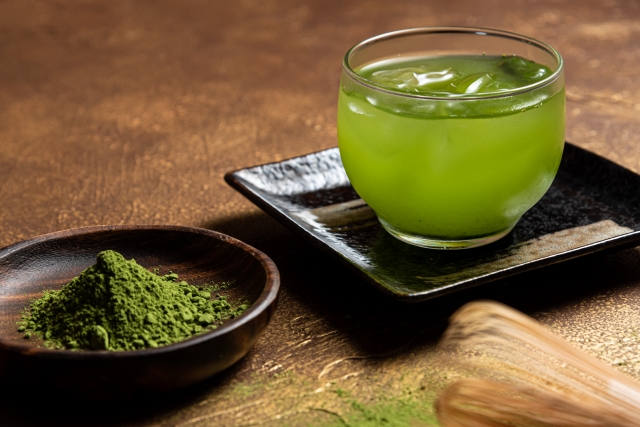
Culinary vs. Ceremonial Grade: What’s the Difference?
The main difference is how the tea leaves are harvested and processed.
If you want to drink it, always choose ceremonial grade.
Learn more about types of matcha here.
Why Origin & Authenticity Matter
Real matcha comes from Japan. The most famous regions are Uji (Kyoto), Nishio, and Kagoshima.
The soil and climate in these areas are perfect for growing shade-grown tea leaves.
When looking for authentic Japanese matcha, check the label for these regions.
Avoid generic “green tea powder” that does not list a specific region.
Organic vs. Non-Organic Matcha
Many US customers prefer an organic matcha subscription.
Both are safe if bought from reputable Japanese brands. If avoiding chemicals is your priority, look for the “JAS Organic” or USDA logo.
Top-Rated Matcha Subscriptions of 2026
We compared the market to help you find the best matcha subscription. Here is a quick breakdown of what to look for.
|
Feature |
Premium Box |
Standard Grocery Brands |
|
Origin |
Uji, Japan (Direct) |
Often China or Blended |
|
Grade |
Ceremonial First Harvest |
Culinary / Lower Grade |
|
Color |
Bright Green |
Yellowish / Brown |
|
Price per serving |
$1.00 – $1.50 |
$2.00+ (for similar quality) |
|
Freshness |
High |
Low (Long storage) |
Best Overall Matcha Subscription
For the best balance of price and quality, look for a service that offers first harvest ceremonial grade.
This ensures the smoothest flavor without needing tons of sugar.
Best Value for Daily Lattes
If you drink 2-3 cups a day, look for bulk matcha options. Small 1 oz (30g) tins run out too fast.
A subscription that delivers 3.5 oz (100g) bags is better for latte lovers. It reduces packaging waste and lowers the cost per cup.
Best Organic & Authentic Options
For health-conscious buyers, organic Japanese matcha is the top choice. Ensure the subscription provides a “Certificate of Analysis” or clear sourcing info. This guarantees the tea is free from pesticides and heavy metals.

Is Matcha Better Than Mushroom Coffee?
You may have seen ads for mushroom coffee brands like Ryze. How do they compare?
Matcha Benefits vs. Ryze & Coffee Substitutes
Both drinks claim to give you energy without the crash. However, matcha is a single ingredient: pure ground tea leaves.
Homemade vs. Starbucks Matcha Lattes
A Starbucks matcha latte is delicious, but it is often a “sugar bomb.” A Grande size can have over 30 grams of sugar!
How to Make the Perfect Matcha Latte
Making a latte at home is easy. You do not need expensive tools, but a matcha starter kit helps.
Ingredients:
Instructions:
- Sift: Sift the matcha powder into a cup to remove lumps.
- Whisk: Add the hot water. Whisk vigorously in a “W” motion until frothy.
- Steam: Heat your milk until warm.
- Pour: Pour the milk over the tea. Enjoy your matcha latte.
Frequently Asked Questions
Start Your Daily Matcha Routine Today
A matcha subscription box is the easiest way to invest in your health. You get high-quality, authentic Japanese matcha delivered for less money than at the coffee shop.
Are you ready to feel the difference?
Check out our starter kits and find the perfect plan for your lifestyle.
【Disclaimer】
This statement has not been evaluated by the Food and Drug Administration. This product is not intended to diagnose, treat, cure, or prevent any disease.