Ceremonial Grade Matcha: Meaning, Benefits & Choice


Are you looking to boost your energy without the coffee jitters? This guide explains everything about Ceremonial Grade Matcha, from its health benefits to choosing the best brand. You will learn how to spot high-quality powder and make the perfect cup at home.
What Is Ceremonial Grade Matcha?
Ceremonial Grade Matcha is the highest quality matcha available. It is made from the youngest tea leaves, which are stone-ground into a fine silk-like powder. In Japan, this specific grade is traditionally used for tea ceremonies rather than cooking.
What Does Ceremonial Grade Mean?
The term “ceremonial grade” indicates that the tea is meant to be whisked with water and enjoyed straight. It is not a regulated legal term, but it serves as a quality marker for consumers. It means the tea has a delicate balance of sweetness and “umami” (a savory taste).
Key Characteristics of Top Matcha
How can you tell if your matcha is truly top-tier? Look for these three specific signs of quality:

Ceremonial vs. Culinary: What are the Differences?
Choosing between grades depends entirely on how you plan to use the tea. While both come from the same plant, the processing and harvest timing change the final result significantly.
Harvest, Taste, and Price Differences
The table below breaks down the main differences between these two common grades.
|
Feature |
Ceremonial Grade |
Culinary Grade |
|
Harvest Time |
First harvest (Spring) |
Later harvests (Summer/Fall) |
|
Flavor Profile |
Sweet, delicate, no bitterness |
Bold, astringent, bitter |
|
Color |
Bright, vivid green |
Dull, brownish-green |
|
Best Use |
Whisked with water (Tea) |
Baking, smoothies, lattes |
|
Average Price |
Lower ($0.50 – $1.00 per gram) |
Lower ($0.10 – $0.50 per gram) |
Can You Bake with Ceremonial Matcha?
Technically, yes, but it is not recommended. The delicate flavors of ceremonial matcha disappear when exposed to high oven heat. You would be spending a lot of money on a flavor that gets lost. For cookies or cakes, stick to culinary-grade.
Learn more about the types of matcha.
Ceremonial Grade Matcha Health Benefits
Many people switch to matcha because it is a nutritional powerhouse. Because you consume the whole leaf, you get 100% of the nutrients.
Antioxidants and Superfood Power
Matcha is famous for a specific antioxidant called EGCG. According to research from the NIH, green tea antioxidants may help protect your cells from damage.
Caffeine Content and Clean Energy
One serving of Ceremonial Grade Matcha contains about 30mg to 70mg of caffeine. Unlike coffee, it contains L-theanine, an amino acid that promotes relaxation. This combination provides “calm alertness” without the typical caffeine crash or shakes.
How to Choose the Best Ceremonial Matcha
With so many options on Amazon and in stores like Whole Foods, picking the right one is tricky.
Why Does Origin Matter? (Japan vs. Others)
The best matcha always comes from Japan, specifically regions like Uji (Kyoto) or Nishio. Japan has the perfect soil, climate, and centuries of expertise. Matcha produced in other countries often lacks the vibrant color and sweet flavor profile.
Checking Color and Texture Quality
If the powder looks yellow or brown, it is likely old or low quality. High-grade tea is ground until it becomes fine to prevent heat friction. If the texture is gritty or sandy, it will not froth correctly when whisked.
Is Organic Ceremonial Matcha Better?
Organic matcha is grown without synthetic pesticides. While it is better for the environment, some tea masters argue that non-organic tea has a deeper flavor. However, for daily health, many US consumers prefer Certified Organic options.
Top-Rated Ceremonial Grade Matcha Brands
Knowing which labels to trust makes your shopping experience much easier.
Authentic Japanese Matcha Brands
These brands are legendary in Japan and offer the most traditional experience:
Best Ceremonial Matcha Brands in the US
If you want something easily accessible in North America, these brands are top-rated:
Where to Buy Ceremonial Grade Matcha
You can find matcha almost anywhere today, but the quality varies by location.
Buying Online vs. In-Store Options
Buying online directly from Japanese specialty sites (like our Matcha Store) ensures the freshest stock. Grocery stores like Walmart or Costco often carry bulk options, but they may sit on the shelf longer, losing their freshness.
How Much Should You Pay per Gram?
Expect to pay between $0.50 and $1.00 per gram for true ceremonial quality. A standard 30g tin usually costs between $25 and $50. If you see a “ceremonial” tin for $10, it is likely mislabeled culinary powder.
How to Make Ceremonial Grade Matcha
Preparing matcha is a mindful ritual that only takes two minutes.
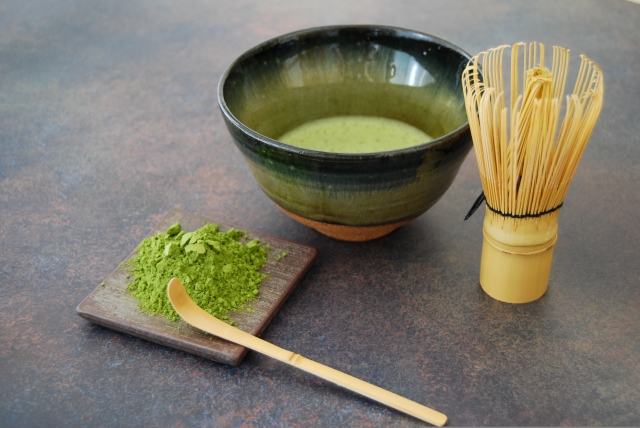
What Tools Do You Need to Start?
You don’t need a full set, but these three items help:
- Chasen (Bamboo Whisk): Essential for creating a frothy layer.
- Chawan (Tea Bowl): Any wide-bottom bowl will work.
- Sifter: Helps remove clumps for a smooth drink.
Step-by-Step Preparation Guide
- Sift 1-2 scoops (approx. 1/2 tsp) of matcha into your bowl.
- Add 2 oz (60 ml) of hot water. Note: Use water at 175°F (80°C); boiling water burns the tea.
- Whisk in a “W” motion until a thick froth forms on top.
Making the Perfect Matcha Latte
To make a latte, follow the steps above, but use less water to create a “matcha shot.” Pour the shot over 6 oz (180 ml) of steamed milk or cold milk with ice. Oat milk is a favorite in the US because its creaminess pairs perfectly with the tea.
Ceremonial Grade Matcha FAQs
Ready to experience authentic Japanese tea?
Click here to browse our curated selection of Premium Ceremonial Matcha!
【Disclaimer】
This statement has not been evaluated by the Food and Drug Administration. This product is not intended to diagnose, treat, cure, or prevent any disease.