Matcha Whisk Guide: How to Choose, Use & Care for Chasen



Do you want to make frothy, delicious matcha at home? The secret isn’t just the tea powder; it is the tool you use to mix it. This Matcha Whisk Guide will teach you how to pick the right whisk, use it like a pro, and keep it clean
Using the right tools transforms your daily tea ritual. It changes a clumpy, bitter drink into a smooth, creamy experience. Let’s explore the world of the Chasen.
What is a Chasen and Why Do You Need One?
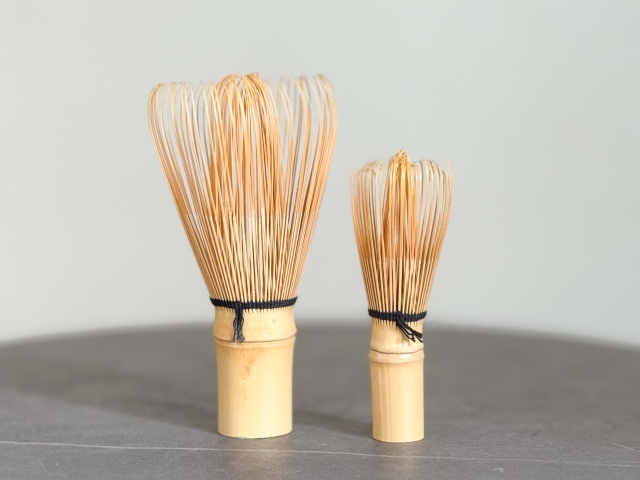
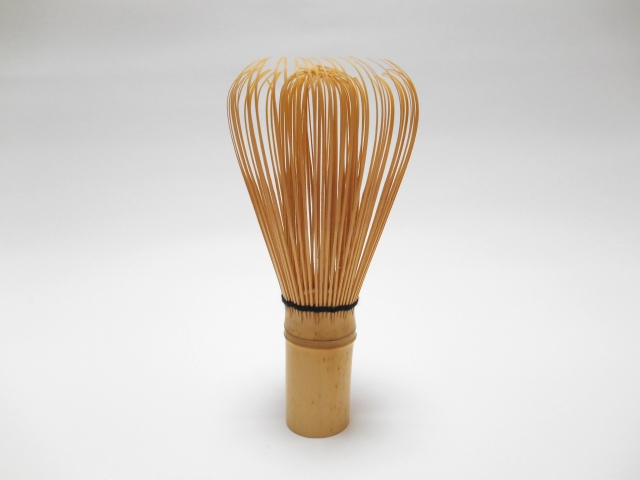
A Chasen is a traditional Japanese tea whisk made from a single piece of bamboo. It is the most essential tool for making matcha.
You might wonder, “Can I just use a spoon?” The answer is no. Matcha is a powder suspended in water, not dissolved like sugar. A spoon will leave clumps. The Chasen has flexible prongs that mix the powder and hot water perfectly. This process creates a layer of foam, also known as crema. This foam brings out the sweet, umami flavor and creates a smooth texture.
Comparing Types: Bamboo, Resin, or Electric?
There are several ways to whisk your tea today. Let’s look at the differences between the traditional methods and modern tools.
The Traditional Bamboo Whisk (Chasen)
The bamboo whisk is the gold standard. It has been used in Japanese tea ceremonies for centuries.
If you want the true taste of matcha, bamboo is your best choice.
Modern Alternatives: Resin and Shin Chasen
Recently, resin (plastic) whisks have become popular. Some are called Shin Chasen.
These are great for restaurants or people who are worried about maintenance.
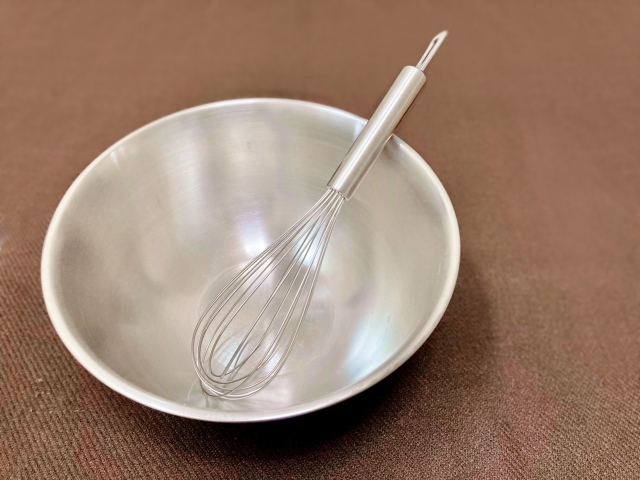
Electric Frothers vs. Bamboo Whisks
Many people use a battery-operated milk frother. How does it compare?
|
Feature |
Bamboo Whisk (Chasen) |
Electric Frother |
|
Foam Quality |
Fine, creamy micro-foam |
Large, soapy bubbles |
|
Texture |
Smooth and consistent |
Can be uneven |
|
Maintenance |
Hand wash only |
Easy to rinse |
|
Best For |
Traditional hot Matcha |
Matcha Lattes |
If you are drinking a Matcha Latte with milk and sugar, an electric frother is fine. For pure matcha with water, we recommend bamboo.
How to Choose the Best Matcha Whisk
Not all bamboo whisks are the same. Here is what you need to look for when buying one.
Tine Count Matters: 80-Prong vs. 100-Prong
The “tines” are the delicate prongs on the whisk. The number of tines changes how the whisk performs.
For beginners, we recommend a 100-prong whisk. It makes it easier to get that perfect froth.
Top Brands: Takayama, Suikaen, and Chikusendo
The region of manufacture is important. Takayama in Nara Prefecture, Japan, produces over 90% of Japan’s tea whisks. They are known for high-quality craftsmanship.
Choosing a whisk from Takayama ensures you are supporting traditional artisans. You can learn more about the history of Takayama craftsmanship from the Japan National Tourism Organization.
How to Whisk Matcha Like a Professional
Whisking is easy once you know the technique. Follow these steps for a delicious bowl.
- Sift your Matcha: Press the powder through a sieve to remove clumps.
- Add Hot Water: Use about 2 oz (60 ml) of water. The temperature should be around 176°F (80°C).
- Whisk: Hold the bowl with one hand. With the other, whisk briskly in a “W” or “M” motion. Use your wrist, not your arm.
- Finish: Once a thick foam appears, slow down to break big bubbles. Lift the whisk gently from the center.
How to Clean and Store Your Chasen Properly
Bamboo is a natural material. Proper care will prevent mold and keep the shape of the tines.
Preventing Mold: Cleaning and Drying Tips
Mold is the enemy of bamboo. Follow these rules to keep your whisk safe.
Why You Need a Whisk Holder (Kuse Naoshi)
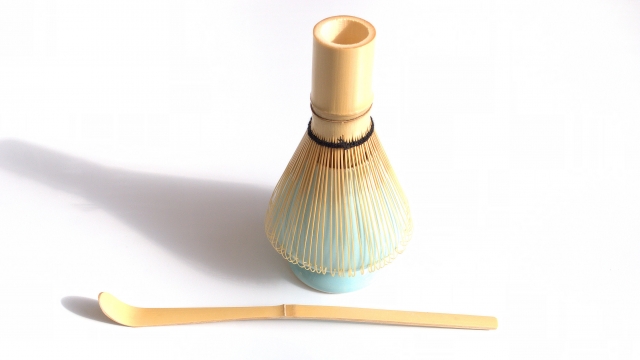
A whisk holder, or Kuse Naoshi, is crucial. It is usually made of ceramic.
Using a stand can double the life of your whisk.
Where to Buy Authentic Matcha Whisks and Kits
You can find whisks at many places, but quality varies. To ensure safety and durability, buy from specialized tea shops.
Are you ready to elevate your tea time? A high-quality Chasen makes a wonderful gift for yourself or a friend.
【Disclaimer】
This statement has not been evaluated by the Food and Drug Administration. This product is not intended to diagnose, treat, cure, or prevent any disease.