Matcha vs Yerba Mate: Which Tea Is Better for Energy?


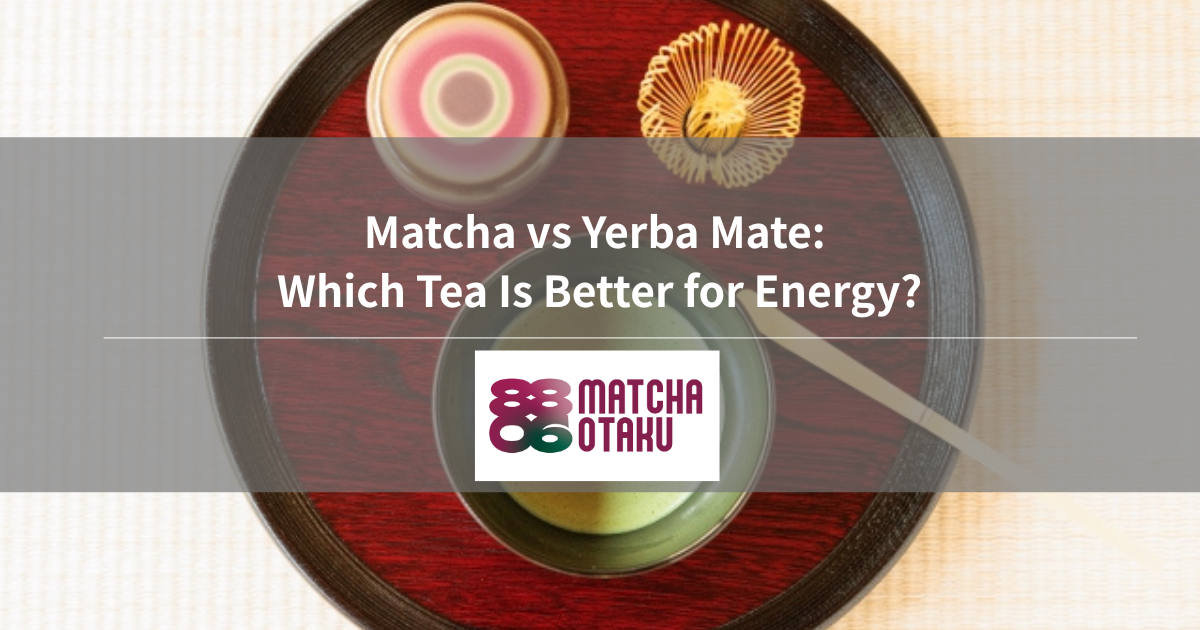
Do you need an energy boost without the jittery feeling from coffee? You might be deciding between two popular power drinks: Matcha and Yerba Mate.
In this article, you will learn the key differences between these two teas. We will help you decide which one is best for your daily energy, health goals, and taste preferences.
Both drinks are famous for their health benefits. However, they come from different parts of the world and affect your body differently. Let’s dive into the details to find your perfect match.
Matcha vs Yerba Mate: Key Differences Explained
At a glance, both drinks look green and healthy. But they are very different plants. Here is a quick comparison to help you understand the basics.
Comparison Table: Matcha vs. Yerba Mate
|
Feature |
Matcha |
Yerba Mate |
|
Plant Source |
Camellia sinensis (Tea bush) |
Ilex paraguariensis (Holly tree) |
|
Origin |
Japan (East Asia) |
South America (Argentina, Brazil) |
|
Preparation |
Powder mixed into water (you drink the leaf) |
Leaves steeped in hot water (you drink the infusion) |
|
Texture |
Smooth, creamy, and rich |
Light, fluid, like traditional tea |
|
Caffeine |
High (but released slowly) |
High (similar to coffee) |
If you want to try authentic Japanese tea, check out our Premium Ceremonial Matcha Collection here.
What Is Yerba Mate and How Is It Different?
Many people know about green tea, but Yerba Mate is often a mystery. Is it a tea? Is it an herb? Let’s clear up the confusion.
Origins: The South American Powerhouse
Yerba Mate comes from the rainforests of South America. It is the national drink of Argentina, Paraguay, and Uruguay. It is made from the leaves of the Ilex paraguariensis tree.
In South America, drinking Mate is a social event. People often share a hollow gourd and sip through a metal straw called a bombilla. It represents friendship and hospitality.
Is Yerba Mate the Same as Green Tea?
No, they are not the same. Green tea, including Matcha, comes from the Camellia sinensis plant. Yerba Mate comes from a species of holly tree.
While both are processed to stay green, their chemical makeup is different. Matcha is shade-grown to boost chlorophyll. Yerba Mate is often dried with smoke or hot air. This gives them very distinct nutrient profiles.
Which Is Better for Weight Loss & Health?
Both teas are marketed as “superfoods.” But which one actually helps you burn fat or stay healthy?
Caffeine Boost: L-Theanine vs. Theobromine
Both drinks have high caffeine, but the “buzz” feels different.
According to the National Institutes of Health (NIH), L-Theanine significantly reduces stress and anxiety in humans Effects of L-Theanine on Stress-Related Symptoms.

Matcha vs Yerba Mate for Weight Loss
If your goal is weight management, both are great tools.
Nutritional Profile & Antioxidant Power
When you drink Matcha, you consume the whole tea leaf. This means you get 100% of the nutrients. This includes:
Yerba Mate is steeped, so you throw away the leaves. However, it is still packed with antioxidants called polyphenols and vitamins like B and C.
Taste Comparison & How to Prepare Them
Taste is usually the deciding factor for most people.
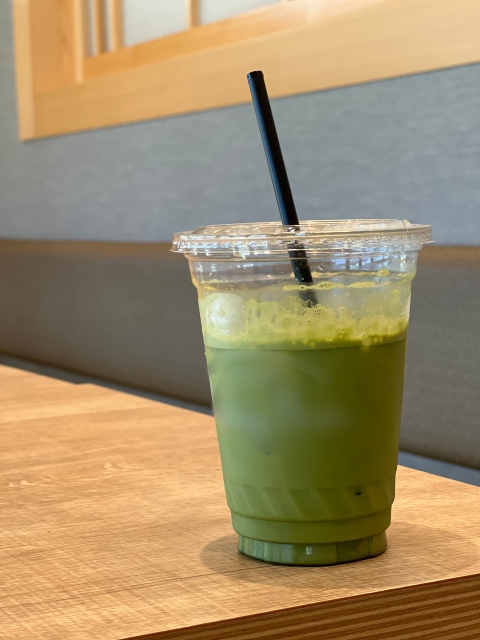
Enjoying Matcha: From Tea to Lattes
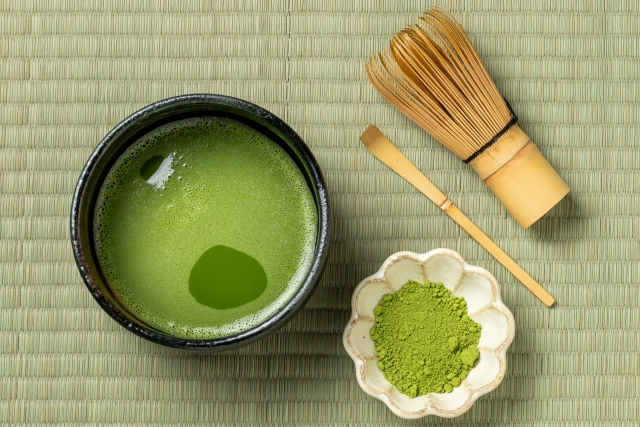
Making Matcha is easy and versatile. You can drink it straight or add milk for a latte.
Simple Matcha Latte Recipe
Ingredients:
Learn more about types of matcha.
Instructions:
- Sift the Matcha powder into a cup to remove lumps.
- Add the hot water.
- Whisk vigorously with a bamboo whisk or electric frother until bubbly.
- Heat the milk and pour it over the tea.
- Stir and enjoy!
Brewing Yerba Mate: Traditional vs. Bags
You can buy Yerba Mate in tea bags, which taste like strong herbal tea. For the full experience, use loose leaves.
To brew loose leaf, you fill a gourd 2/3 full with leaves. Insert the metal straw (bombilla) and pour hot water (170°F / 75°C) over the leaves. You sip and refill the water many times.
Final Verdict: Which One Should You Choose?
So, who wins the battle of Matcha vs Yerba Mate? It depends on what you need today.
Choose Matcha if:
Choose Yerba Mate if:
Both are excellent, healthy alternatives to sugary energy drinks. Why not try Matcha first to experience the unique focus of L-Theanine?
Ready to boost your energy?
Shop our best-selling Matcha here and start your healthy journey today!
【Disclaimer】
This statement has not been evaluated by the Food and Drug Administration. This product is not intended to diagnose, treat, cure, or prevent any disease.