Matcha vs Sencha: Differences & Which Is Healthier?


Do you ever wonder why matcha is so popular right now? You might know that matcha and sencha (regular green tea) come from the same plant. However, they are completely different drinks.
In this article, you will learn the exact differences between them. We will compare their health benefits, caffeine levels, and taste profiles. By the end, you will know exactly which tea is right for your daily routine.
Matcha vs. Sencha: What’s the Main Difference?
The main difference lies in how the tea is grown and consumed. Both come from the Camellia sinensis plant. However, farmers grow matcha in the shade for weeks before harvest.
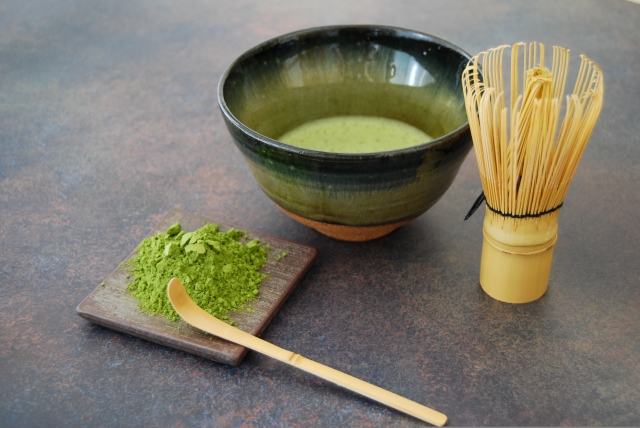
This process boosts chlorophyll and amino acids. After harvest, we remove the stems and veins. The leaves are then stone-ground into a fine powder.
When you drink regular green tea, you steep the leaves in hot water. When you drink matcha, the powder is dissolved in water, allowing you to consume the entire leaf. This means you get 100% of the nutrients.
Is Matcha Healthier Than Sencha?
Yes, generally speaking, matcha is the powerhouse of green tea. Because you ingest the whole leaf, the concentration of nutrients is much higher.
Some experts say one cup of matcha equals the nutrients of 10 cups of brewed sencha. If you want maximum health benefits, matcha is the superior choice.
Antioxidants & EGCG: Which Has More?
Green tea is famous for antioxidants called catechins. The most powerful one is EGCG (epigallocatechin gallate). EGCG fights cell damage and may prevent disease.
Since matcha is a concentrated powder, it has significantly more antioxidants.
Antioxidant Comparison Table
|
Component |
Regular Green Tea (Steeped) |
Matcha (Powder) |
|
Preparation |
Infused in water |
Dissolved and whole leaf consumed |
|
Antioxidant Level |
Moderate |
Very High |
|
EGCG Content |
~25–86 mg per serving |
~137 mg per serving* |
[Source: Determination of catechins in matcha green tea by micellar electrokinetic chromatography
Can Matcha Help You Lose More Weight?
Both teas boost metabolism, but matcha works harder. The high concentration of EGCG helps burn fat more efficiently.
Many people drink matcha before a workout. It can increase fat burning during exercise. If you are looking to support your weight loss journey, matcha is a great tool.
Does Matcha Have More Caffeine Than Sencha?
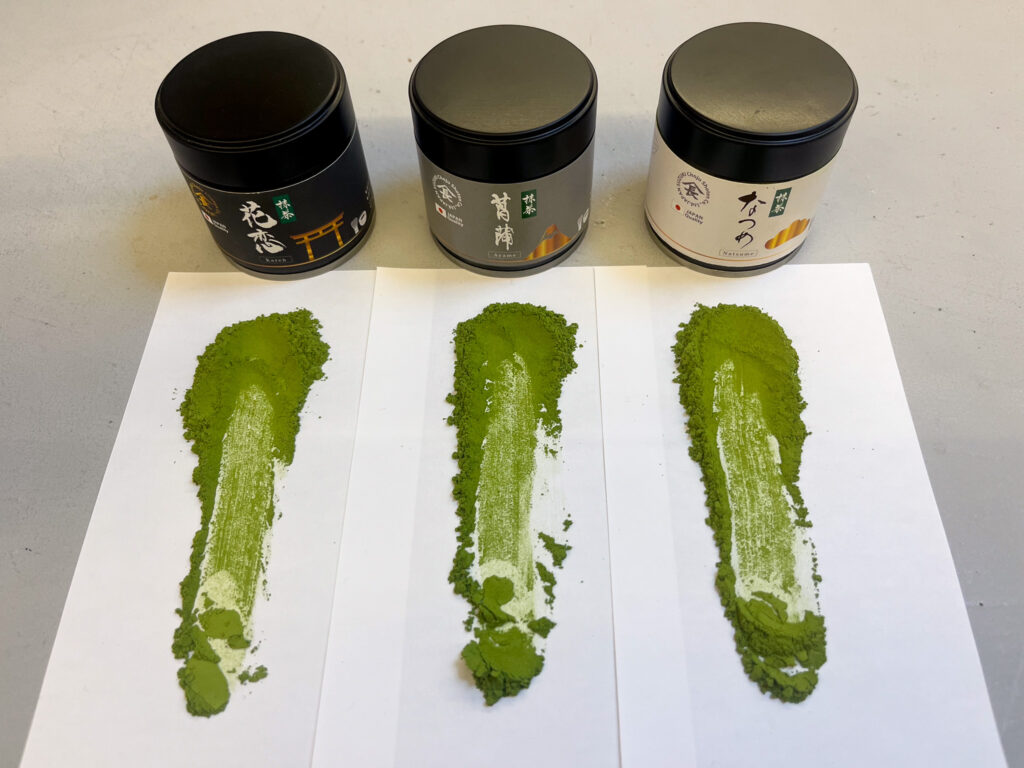
Yes, matcha contains more caffeine than steeped green tea. However, it usually has less caffeine than coffee.
If you need a strong morning wake-up call, matcha is stronger than regular tea.
L-Theanine: The “Jitter-Free” Energy Boost
You might worry about the “jitters” from caffeine. Matcha is different because of an amino acid called L-Theanine.
L-Theanine promotes relaxation without making you sleepy. It works together with caffeine. This combination creates a state of “calm alertness.” You get energy and focus, but you avoid the crash often associated with coffee.
Taste & Texture: Powder vs. Leaf
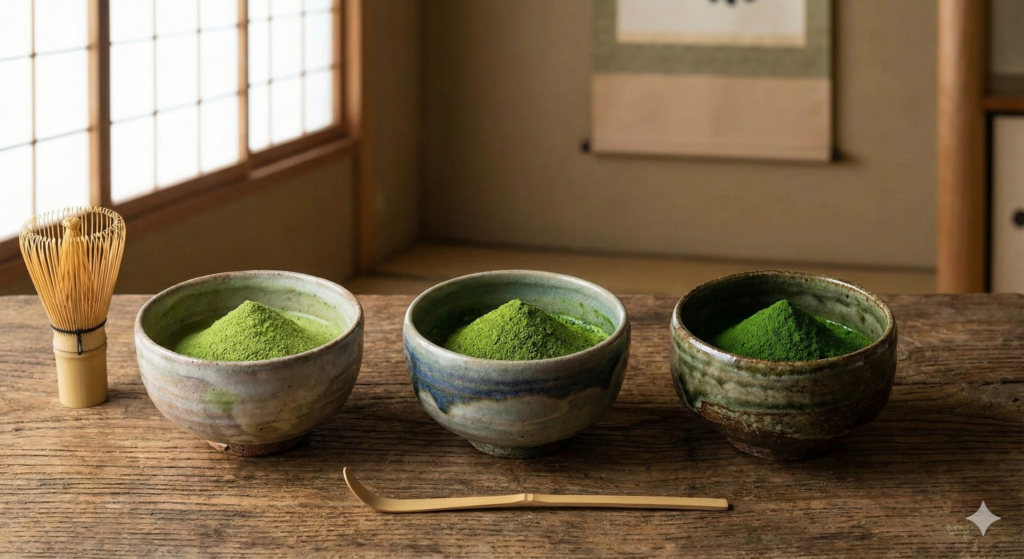
The flavor experience is totally different between these two.
Sencha vs. Matcha: Sun-Grown vs. Shade-Grown
“Sencha” is the most common type of Japanese green tea. It is grown in the sun. It has a refreshing bitterness and a yellow-green color.
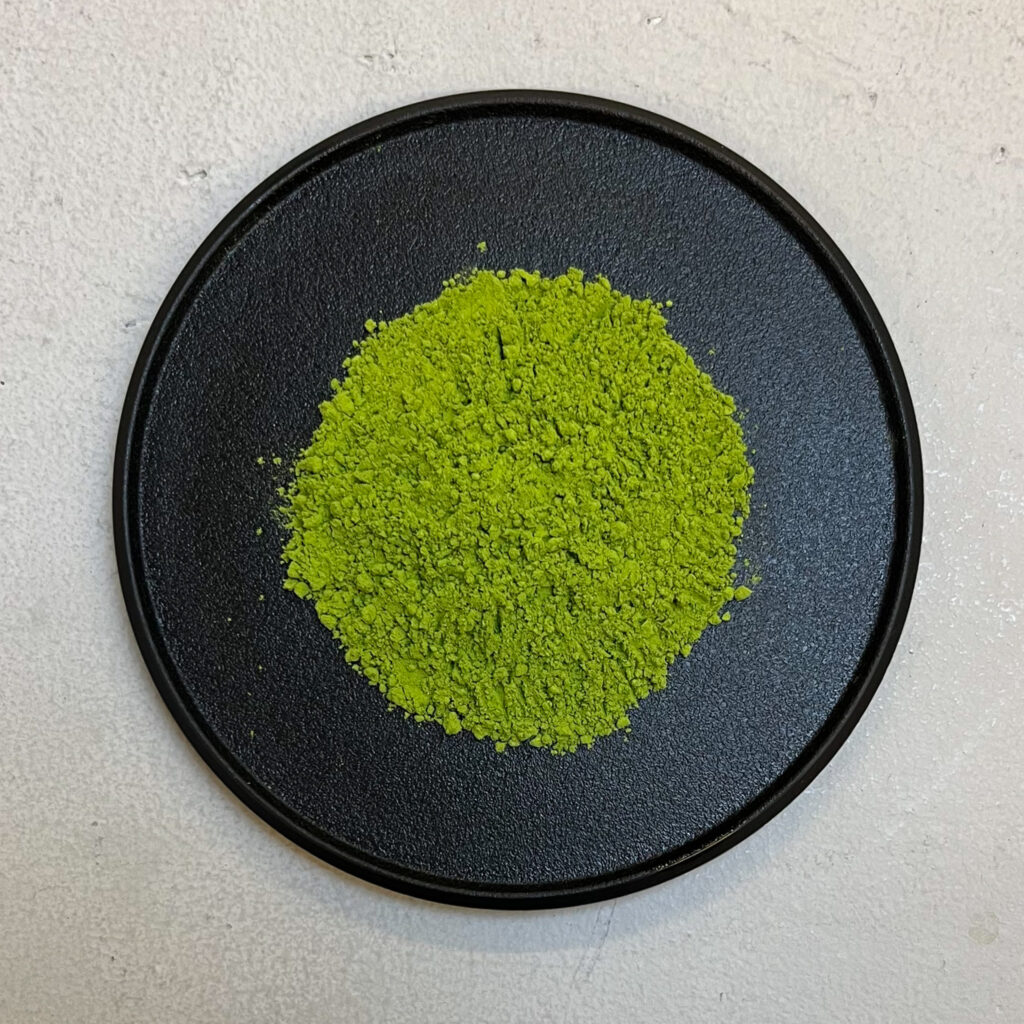
Matcha is a deep, vibrant green. It is much less bitter than low-quality green tea if prepared correctly.
Pros & Cons: Which One Should You Choose?
Here is a quick breakdown to help you decide.
Matcha Pros:
Learn more about types of matcha here.
Matcha Cons:
Green Tea Pros:
Green Tea Cons:
Final Verdict: Matcha or Green Tea?
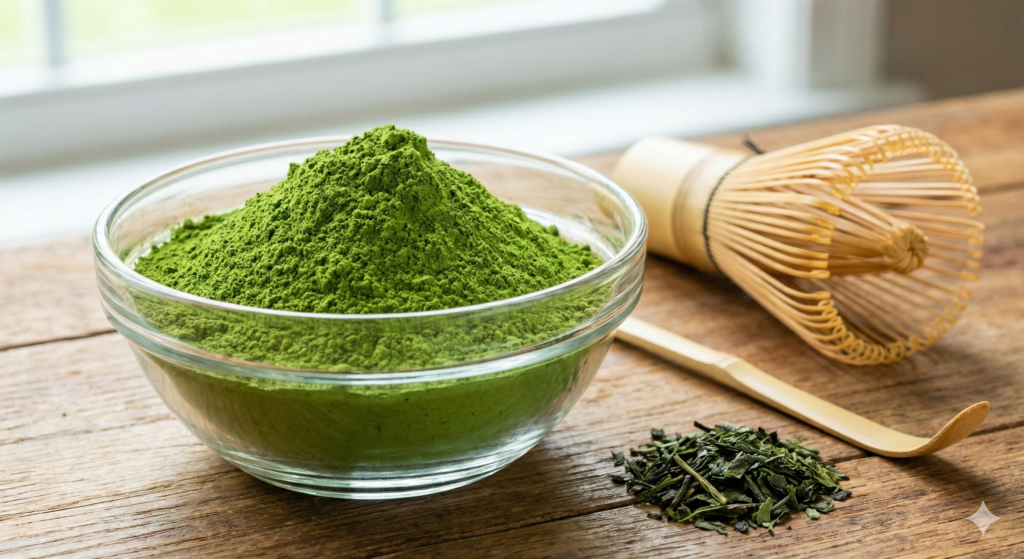
Both matcha and sencha are healthy superfoods. If you want a light drink with meals, stick to sencha.
However, if you want a massive health boost, better focus, and more energy, matcha is the winner. It offers the best of the tea leaf in every sip.
Are you ready to experience the power of whole-leaf tea?
【Disclaimer】
This statement has not been evaluated by the Food and Drug Administration. This product is not intended to diagnose, treat, cure, or prevent any disease.