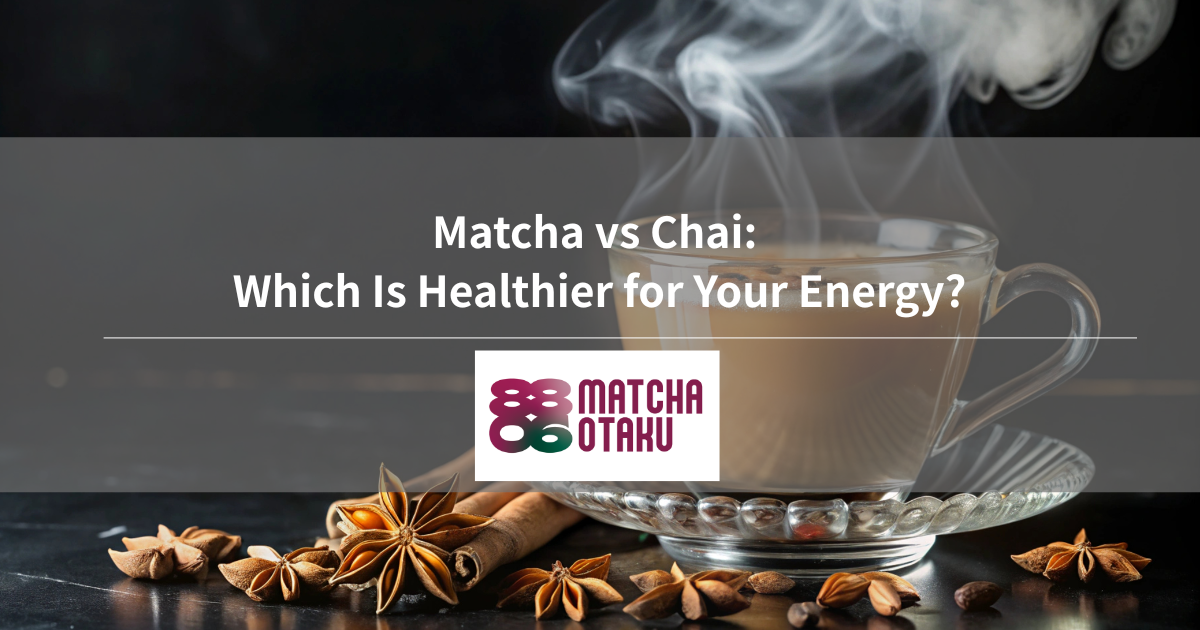
Matcha vs Chai: Which Is Healthier for Your Energy?


Are you looking for a healthy energy boost but can’t decide between Matcha vs Chai? Both are delicious alternatives to coffee, but they work in very different ways.
This guide compares their caffeine levels, health benefits, and flavors to help you choose the perfect drink for your lifestyle.
By the end of this article, you will know exactly which tea fits your mood and health goals today.
Matcha vs Chai: What Are the Key Differences?
To understand the difference between chai and matcha, we need to look at how they are made. They come from the same plant family, but the processing changes everything.
Here is a quick comparison:
|
Feature |
Matcha |
Chai |
|
Base Ingredient |
Powdered Green Tea Leaves |
Black Tea Leaves + Spices |
|
Preparation |
Whisked into water/milk |
Steeped (brewed) |
|
Color |
Vibrant Green |
Dark Brown/Milky Tan |
|
Best For |
Focus and Antioxidants |
Digestion and Comfort |
Caffeine Content: Which Packs More Energy?
If you need to wake up fast, you might ask: Which packs more energy? The answer depends on how much caffeine you want.
Because you eat the whole leaf, caffeine in matcha is generally higher than in chai. However, it is usually lower than a strong cup of coffee.
Matcha vs Chai caffeine isn’t just about the numbers. Matcha contains L-theanine. This is an amino acid that helps you feel calm. It stops the “jitters” often caused by coffee. You get a clean, steady energy boost that lasts for hours.
Learn more about matcha caffeine.

Which Is Healthier? Comparing Top Benefits
Both teas are good for you, but they offer different perks. When asking if matcha is healthy or if chai is healthy, the answer is “yes” to both.
However, your choice depends on your specific body goals. Let’s break down the benefits of matcha and chai.
Why Drink Matcha? Weight Loss & Antioxidants
Matcha is famous as a superfood. It is packed with catechins, which are powerful plant compounds that protect your cells.
According to research gathered by the National Institutes of Health (NIH), green tea catechins have positive effects on human health. Beneficial effects of green tea: A literature review
Why Drink Chai? Digestion & Inflammation
Chai is excellent for your stomach. The spices used in chai are not just for flavor; they are functional.
If you have a sensitive stomach, chai tea might be the soothing option you need.
Flavor Profile: What Do They Taste Like?
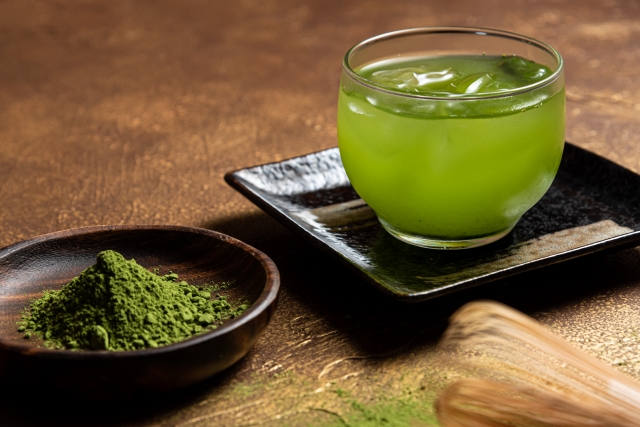
What does matcha taste like? This is the most common question for beginners.
How to Enjoy: Lattes, Starbucks & Costs
You can easily find a Starbucks Matcha or Chai Latte, but making them at home saves money. A café drink can cost over $5.00. Homemade matcha costs less than $1.00 per cup.
Here is a simple recipe to make a delicious Matcha Latte at home.
Ingredients:
Instructions:
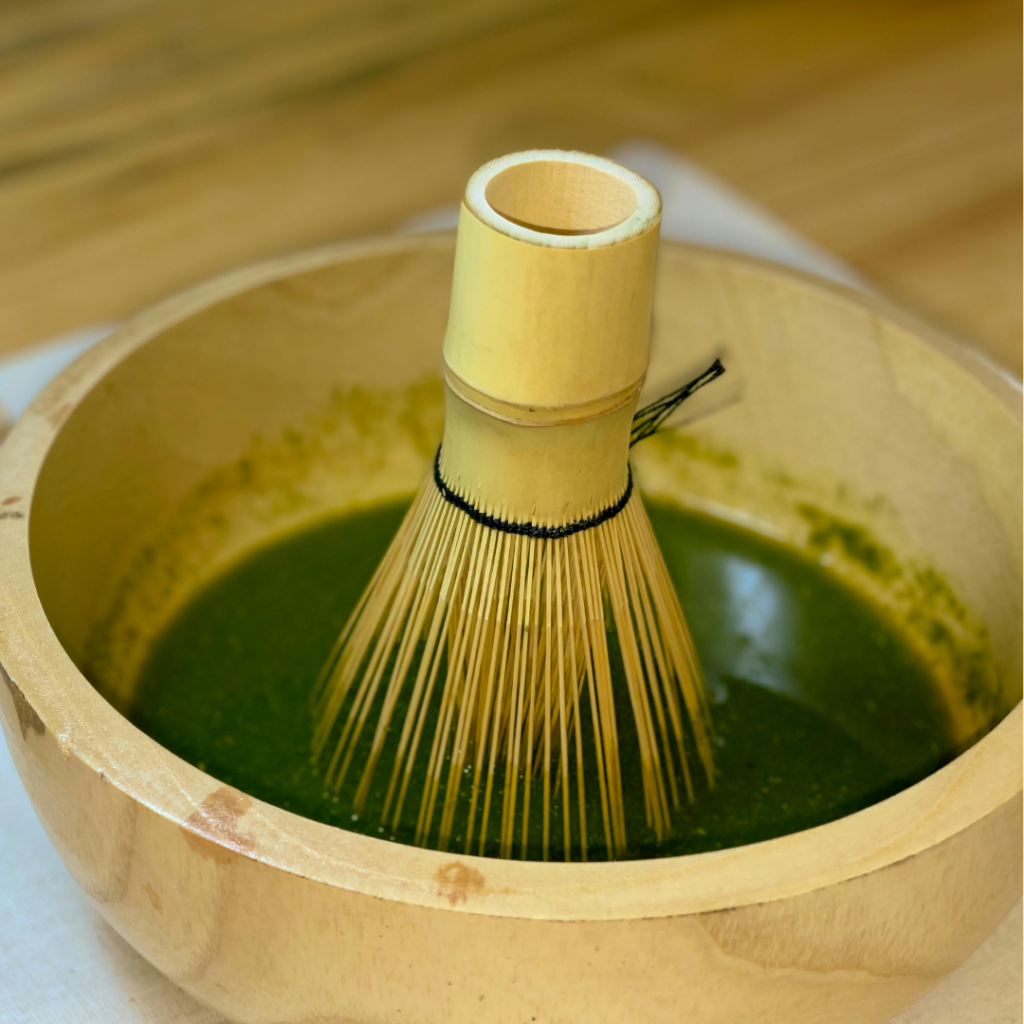
- Sift the matcha powder into a bowl to remove lumps.
- Add the hot water and whisk until frothy (forms bubbles).
- Heat your milk and pour it over the matcha.
- Add a sweetener if you like it sweet.
Final Verdict: Which Drink Is Right for You?
So, who wins the battle of Matcha vs Chai?
Both are excellent additions to a healthy diet. Why not keep both in your kitchen?
Ready to boost your energy naturally? Shop our farm-direct Matcha collection today and feel the difference.
【Disclaimer】
This statement has not been evaluated by the Food and Drug Administration. This product is not intended to diagnose, treat, cure, or prevent any disease.