Matcha Side Effects: Symptoms & Daily Safety Limits


Are you worried that drinking matcha might hurt your stomach or cause jitters? This article explains the common symptoms, safe daily limits, and how to avoid side effects completely. You will learn exactly how to enjoy this superfood safely and feel great every day.
Matcha is generally very safe and healthy for most people. However, like any food or drink with caffeine, drinking too much can lead to discomfort. Understanding the risks ensures you get the energy boost without the crash.

Common Matcha Side Effects: What Can Happen?
Most side effects come from the caffeine or high fiber content in the tea leaves. Since you consume the whole leaf, matcha is more potent than regular green tea.
Does Matcha Cause Diarrhea and Stomach Pain?
Yes, drinking matcha can sometimes cause an upset stomach or diarrhea. This usually happens if you drink it on an empty stomach. Matcha contains tannins, which can increase stomach acid.
Additionally, the caffeine in matcha stimulates your digestive system. For some people, this acts as a laxative. To avoid nausea or stomach pain, try these tips:
Headaches, Anxiety, and Dizziness Risks
Caffeine sensitivity is a common cause of headaches and anxiety. While matcha contains L-theanine, which helps you relax, the caffeine can still affect sensitive people.
If you drink too much, you might feel dizzy or jittery. This is often called a “caffeine crash.” If you feel anxious after drinking it, lower your dose. Hydration is also key, so drink plenty of water alongside your tea.

Is Matcha Bad for Your Liver and Kidneys?
For most healthy people, matcha is safe for the liver and kidneys. In fact, antioxidants in green tea often support liver health. However, low-quality matcha can contain contaminants like pesticides or heavy metals.
Consuming extremely high amounts of green tea extracts could stress the liver. To protect your organs, always choose high-quality, organic matcha from Japan.
Matcha Effects on Skin, Acne, and Teeth
Matcha is packed with antioxidants that are generally great for your skin. However, some people notice breakouts. This is rarely due to the tea itself.
Is Matcha Safe for Women, Men, and Kids?
Different bodies react differently to caffeine and bioactive compounds. Here is what specific groups need to know.

Matcha Side Effects: Pregnancy and Periods
Pregnant people should limit caffeine intake to 200 mg per day. One cup of matcha has about 35–70 mg of caffeine. Therefore, 1 or 2 cups is usually considered safe.
During your period, tannins in tea can reduce iron absorption. If you have low iron levels, drink matcha at least one hour before or after eating iron-rich foods.
Impact on Male Fertility and Testosterone
There is no strong evidence that matcha lowers testosterone or harms male fertility. Actually, the antioxidants in matcha may help reduce oxidative stress in the body.
Healthy oxidative stress levels are good for sperm health. Unless consumed in extreme excess, matcha is a healthy addition to a man’s diet.
Can Children Safely Drink Matcha Tea?
Kids are much more sensitive to caffeine than adults. A full serving of matcha might make a child hyperactive or disrupt their sleep.
However, a very weak matcha latte or a small sip is usually fine for older children. It is better to avoid giving caffeinated beverages to toddlers or very young children.
How to Avoid Side Effects: Dosage & Timing
The key to avoiding side effects is knowing when and how much to drink.
How Much Matcha Is Safe to Drink Daily?
For most adults, 1 to 3 cups (8–24 oz / 240–710 ml) per day is a safe amount. This keeps your caffeine intake well below the recommended daily limit of 400 mg.
Caffeine Content Comparison Table
|
Drink Type |
Size |
Est. CaffeineEst. Caffeine |
|
Matcha |
1 tsp (2g) |
35–70 mg |
|
Coffee |
8 oz (240 ml) |
95–100 mg |
|
Black Tea |
8 oz (240 ml) |
47 mg |

Drinking on an Empty Stomach or at Night?
Avoid drinking matcha first thing in the morning if you have a sensitive stomach. Food acts as a buffer against stomach acid production.
Also, avoid matcha in the late afternoon or evening. The caffeine can stay in your system for hours and ruin your sleep. Stop drinking it at least 6 hours before bed.
Does Matcha Interact with Any Medications?
Green tea contains Vitamin K, which can affect blood thinners like Warfarin. It can also interact with stimulant medications due to the caffeine content.
If you take prescription medication, always consult your doctor before adding matcha to your daily routine.
Learn more about matcha benefits.
Side Effects by Product: Blends & Lattes
Not all matcha products are pure. Additives can cause their own set of problems.
Ryze Mushroom and Matcha Slim Side Effects
Products like Ryze Mushroom Matcha or Matcha Slim are blends. Side effects often come from the other ingredients, like medicinal mushrooms or dietary herbs.
Mushrooms can cause digestive upset for some people. Diet teas often contain laxatives like senna. Always read the ingredient label carefully before buying blends.
Risks of Starbucks Lattes and Gummies
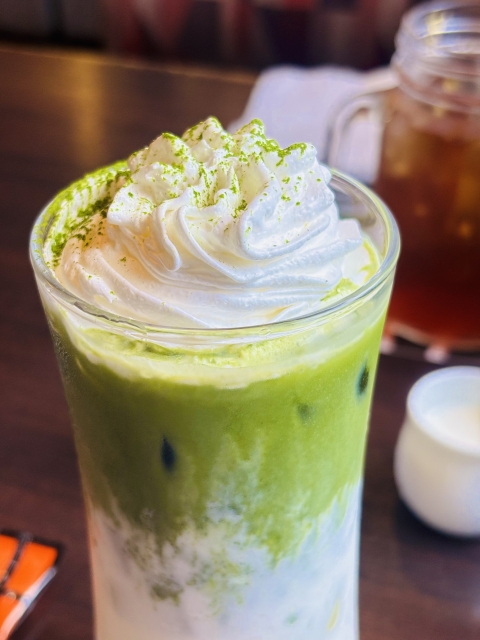
A Starbucks matcha latte contains a large amount of sugar. High sugar intake leads to energy crashes, acne, and weight gain.
Matcha gummies also frequently contain sugar or artificial sweeteners. These sweeteners can cause bloating and gas. Pure matcha powder is always the healthiest choice.
Dangers of Expired or Low-Quality Matcha
Expired matcha loses its nutrients and flavor (oxidation), but it is rarely toxic. However, if moisture gets into the container, mold can grow.
Low-quality matcha is the biggest risk. Cheap tea may contain lead or fluoride from the soil. Always buy from reputable brands that test their products.
Summary: Balancing Benefits and Risks
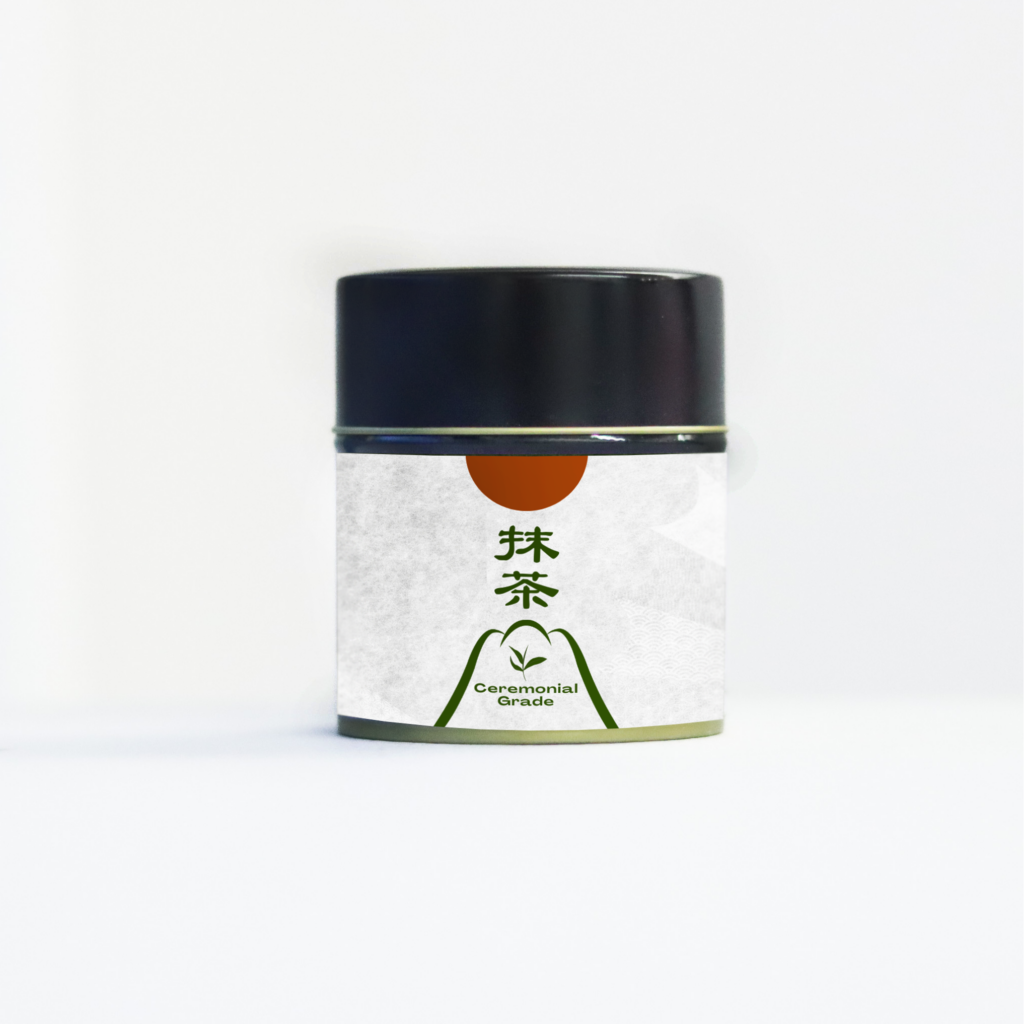
Matcha is a powerful superfood with incredible benefits for focus, energy, and health. The matcha side effects are mostly related to caffeine sensitivity or drinking it on an empty stomach. By choosing high-quality tea and drinking it in moderation, you can avoid these risks.
Ready to experience the benefits without the worry? Start with our lab-tested, organic matcha today.
【Disclaimer】
This statement has not been evaluated by the Food and Drug Administration. This product is not intended to diagnose, treat, cure, or prevent any disease.