Matcha for Anxiety: Can This Green Tea Help You Feel Calm?


Do you feel overwhelmed by stress or jittery after your morning coffee? You are not alone. Many people are looking for natural ways to relax without feeling tired.
In this article, you will learn how drinking matcha can help manage anxiety. We will explain the science behind its calming effect and how to use it for the best results.
Is Matcha Good for Anxiety? The Science Behind the Calm
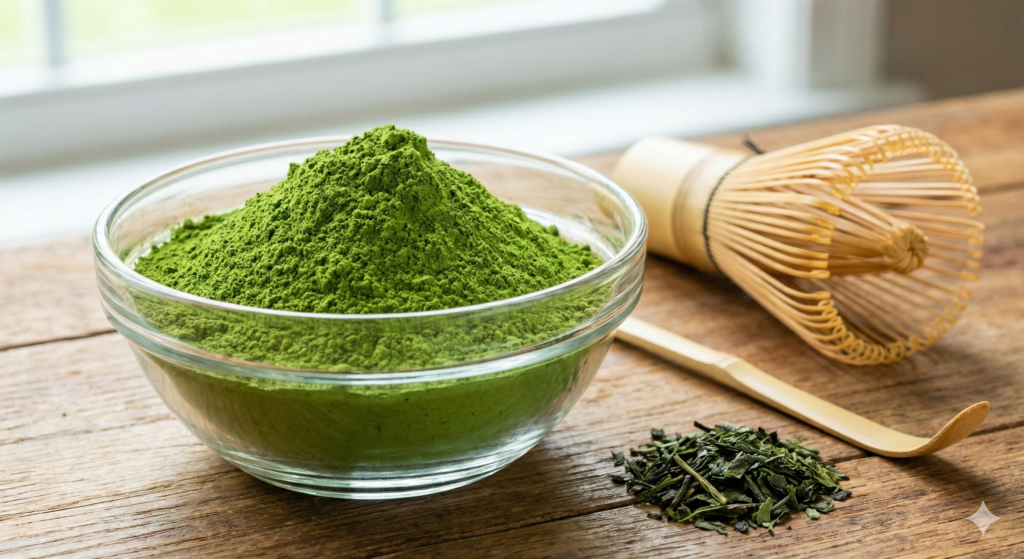
The short answer is yes. Matcha is widely recognized for its ability to promote relaxation. Unlike other teas, matcha involves consuming the whole tea leaf. This means you get a higher concentration of nutrients that support mental health.
The secret lies in its unique chemical balance. Matcha provides a gentle energy boost without the “crash” associated with sugary drinks or strong coffee. This makes it an excellent tool for managing daily stress.
According to research, the components in green tea can significantly reduce stress levels in humans.
The Power of L-Theanine in Matcha
What makes matcha special? It is an amino acid called L-theanine.
L-theanine is famous for increasing “alpha waves” in the brain. These are the same brain waves produced when you are meditating or daydreaming.
Here is what L-theanine does for you:
Matcha vs. Coffee: Which is Better for Anxiety?
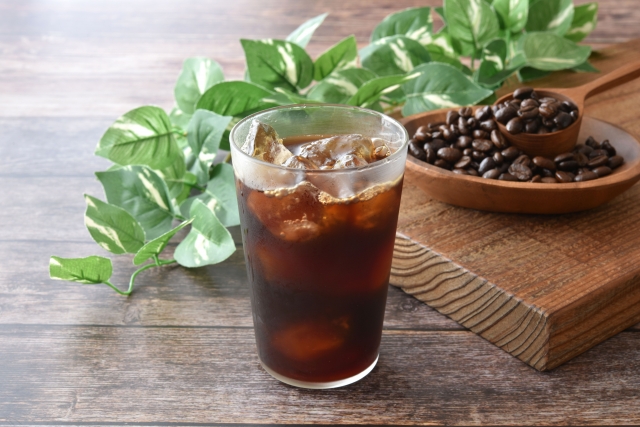
If you suffer from anxiety, coffee might be making it worse. Coffee gives you a quick rush, but it often leads to jitters, sweating, and a racing heart.
Matcha works differently. Because of the L-theanine we mentioned earlier, the caffeine in matcha is released slowly. This creates a state of “calm alertness.”
Here is a quick comparison:
Caffeine Content: Matcha vs. Coffee
You might be wondering, “Does matcha have caffeine?” Yes, it does.
|
Coffee |
Contains about 95 mg of caffeine per 8 oz cup. |
|
Matcha |
Contains about 35–70 mg of caffeine per serving (1 teaspoon). |
While matcha has caffeine, the L-theanine prevents the negative side effects. It acts as a buffer. This makes matcha a much safer choice for those who are sensitive to caffeine or prone to panic attacks.
Other Health Benefits of Matcha
Matcha is not just for anxiety. It is often called a superfood because it is packed with antioxidants.
Drinking matcha regularly offers many benefits:
How to Choose and Drink Matcha for Stress Relief
To get the best mental health benefits, quality matters. You should look for Ceremonial Grade Matcha. This is the highest quality, made from the youngest tea leaves. It has more L-theanine and a sweeter, smoother taste than culinary grades.
Learn more about types of matcha here.
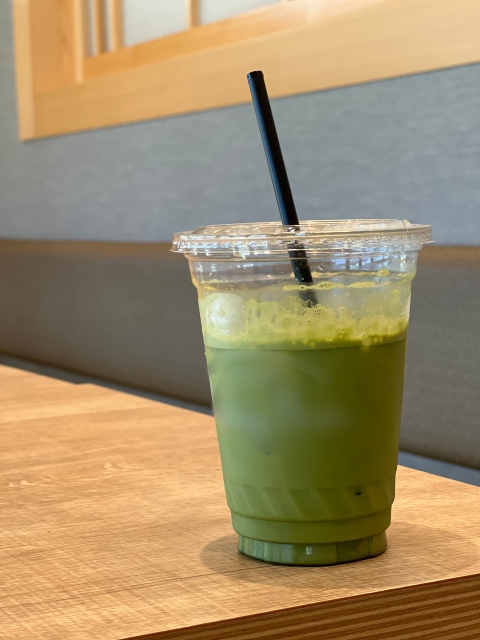
How to make a calming Matcha Latte:
- Sift 1 teaspoon of Ceremonial Grade Matcha into a bowl.
- Add 2 oz (60 ml) of hot water (not boiling, about 175°F or 80°C).
- Whisk vigorously in a “W” motion until frothy.
- Add steamed milk (oat milk or almond milk works great) for a creamy treat.
Potential Side Effects and Daily Limits
Is matcha safe for everyone? Generally, yes. However, there are a few things to keep in mind.
If you are on medication or have severe anxiety disorders, always consult your doctor before making big changes to your diet.
The Final Verdict: Is Matcha Right for You?
If you are looking for a natural way to reduce stress, matcha for anxiety is worth a try. It offers a unique combination of energy and calm that coffee simply cannot match. By switching your morning cup to matcha, you might find yourself feeling more grounded and ready to tackle the day.
Ready to find your calm?
【Disclaimer】
This statement has not been evaluated by the Food and Drug Administration. This product is not intended to diagnose, treat, cure, or prevent any disease.