Matcha Bowl (Chawan) Guide: Find Your Perfect Vessel


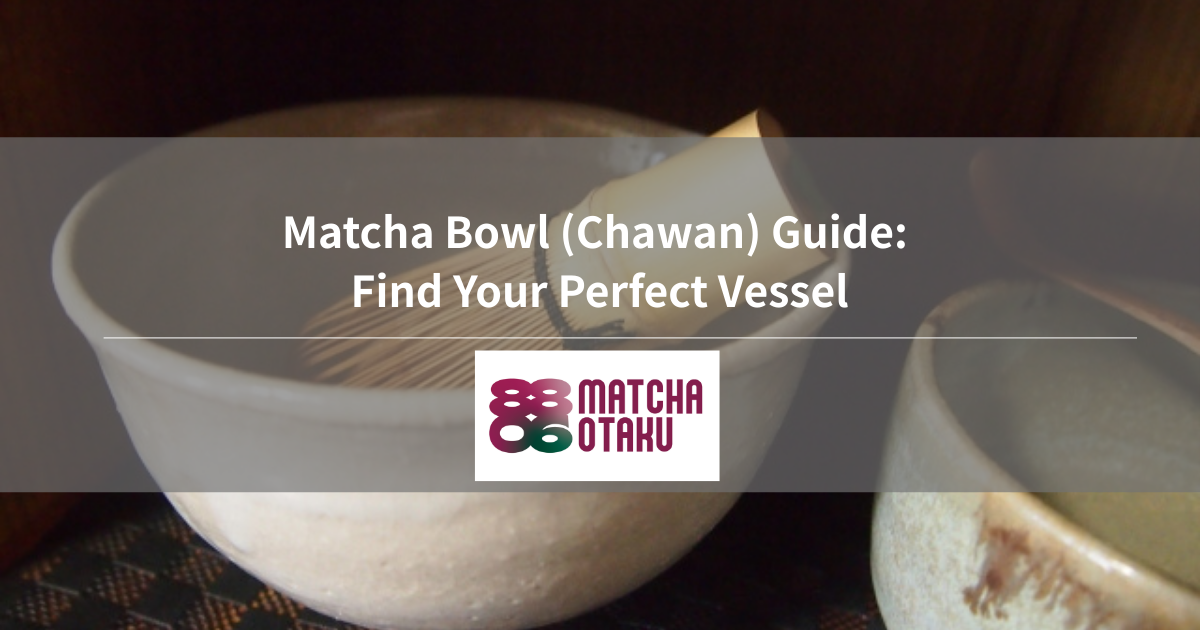
Did you know the bowl you use changes the flavor of your matcha? A matcha bowl, or chawan, is more than just a cup; it is a vital part of the tea ritual.
However, with so many shapes, materials, and designs available, choosing the right one can feel overwhelming. This guide helps you find the perfect bowl, whether you need a cute design for lattes or a handmade traditional piece for ceremonies.
What is a Matcha Bowl (Chawan) & Why Use It?
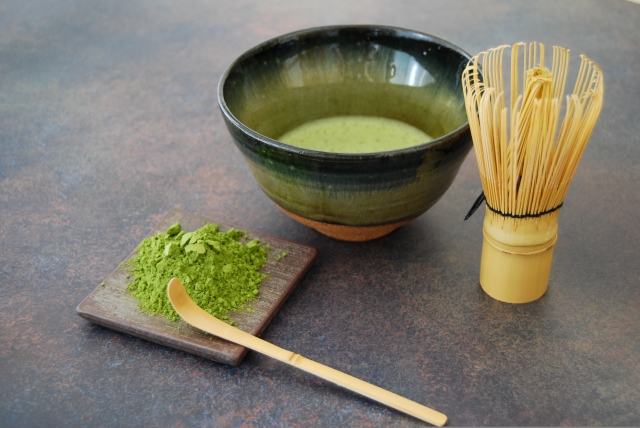
A matcha bowl is a wide vessel specifically designed for preparing powdered green tea. In Japan, this is called a chawan. Unlike a standard soup bowl or coffee mug, a matcha bowl has a wide, flat bottom. This shape allows you to whisk the tea powder and hot water vigorously without spilling.
Using a proper bowl creates better foam, or “froth,” on top of your tea. This froth enhances the aroma and creates a creamy texture. According to the Urasenke Chado Tradition, the bowl is also an object of appreciation, meant to be admired for its beauty and craftsmanship.
Learn more about making matcha without a whisk.
How to Choose the Best Matcha Bowl for You?
Choosing a bowl depends on how you plan to drink your tea. Do you prefer a quick morning latte, or do you want a traditional meditative experience? Let’s look at the different types.
Spouted (Katakuchi) or Traditional Shape?
If you love making matcha lattes, functionality is key. A matcha bowl with a spout is your best option. In Japan, this specific shape is called a katakuchi.
The spout allows you to pour the whisked tea directly into a mug or over ice without making a mess.
Which Material is Best: Ceramic or Glass?
The material affects both the look of the tea and the temperature.
|
Material |
Pros |
Cons |
Best For |
|
Ceramic / Pottery |
Keeps tea warm, feels traditional, durable. |
Can be heavy and requires careful cleaning. |
Traditional tea, for daily use. |
|
Glass / Double Walled |
Modern look, see the green layers, cool to touch. |
Loses heat faster (unless double-walled), fragile. |
Iced matcha, aesthetic photos. |
|
Clay |
Develops character over time, natural feel. |
Porous (absorbs flavors), hand-wash only. |
Serious enthusiasts. |
A ceramic matcha bowl is the most popular choice for its warmth and durability. However, a double-walled glass bowl is gaining popularity. It keeps the tea hot while remaining cool to the touch, and the clear matcha bowl design looks beautiful in photos.
Aesthetic Designs: Cute, Pink, or Modern?
Your bowl should reflect your personal style. Many users search for an aesthetic matcha bowl to share on social media.
Seeking Authenticity? Traditional Chawan Guide
For those who value history and craftsmanship, a handmade matcha bowl is the ultimate choice. In the world of tea, perfection is not the goal. In fact, many collectors prize “wabi-sabi,” which finds beauty in imperfection.
For more on the history of Japanese ceramics, you can visit the Smithsonian National Museum of Asian Art.
How to Hold & Clean Your Matcha Bowl Properly
Treating your bowl with care ensures it lasts a lifetime.
How to hold a matcha bowl:
- Hold the bowl with your right hand on the side.
- Place your left hand flat under the bottom for support.
- This two-handed gesture shows respect for the tea and the vessel.
How to clean a matcha bowl:
Glass bowls can usually be washed with mild soap, but always check the manufacturer’s instructions.
Where Can You Buy the Best Matcha Bowls?
Finding the right place to buy depends on your budget and needs.
If you are looking for the best matcha bowl that balances quality and price, check our online store.
【Disclaimer】
This statement has not been evaluated by the Food and Drug Administration. This product is not intended to diagnose, treat, cure, or prevent any disease.