Is Matcha Good for PCOS? Scientific Benefits of Insulin and Weight Loss


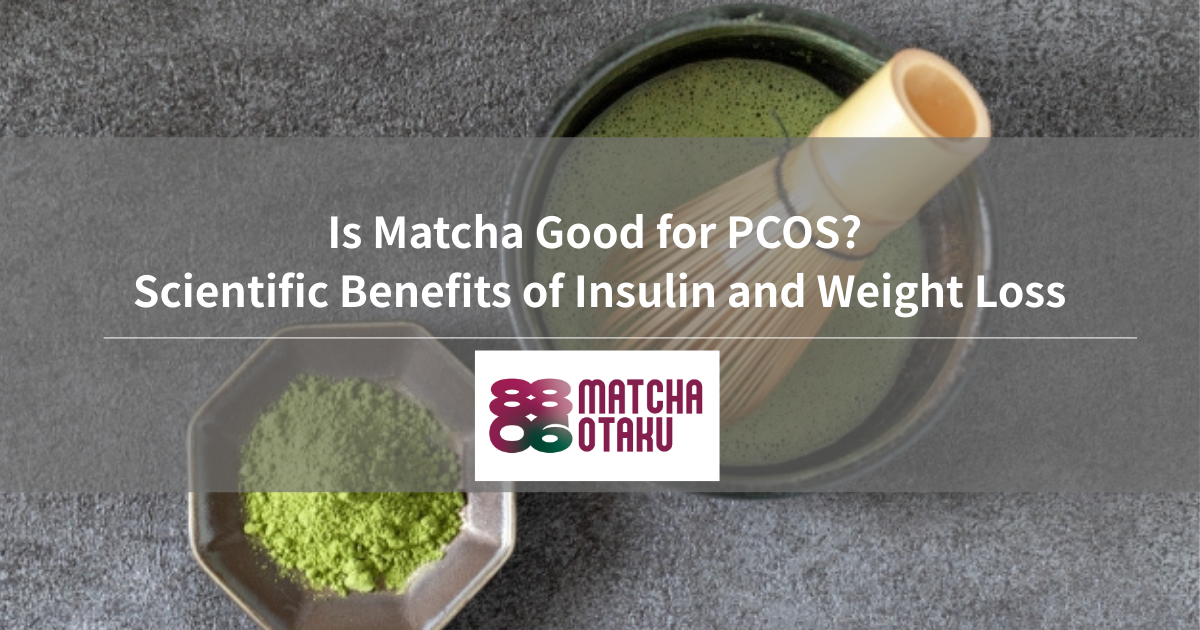
If you struggle with PCOS symptoms like stubborn weight gain or hormonal acne, finding the right drink is life-changing. This article explains how high-quality matcha can improve your insulin sensitivity and support your hormonal health. By the end, you will know exactly how to use matcha as a natural tool for your PCOS journey.
Polycystic Ovary Syndrome (PCOS) affects many people, making it hard to manage weight and energy levels. In contrast, there is no “magic cure.” Adding stone-ground green tea powder to your routine offers science-backed benefits. Let’s dive into why this vibrant green powder is a must-have in your pantry.
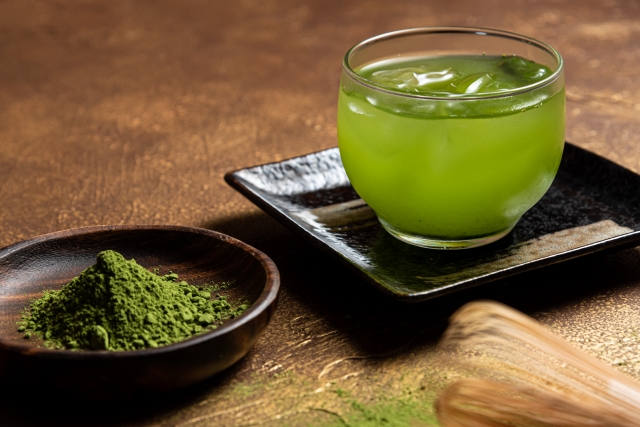
Does Matcha Help PCOS? 3 Proven Scientific Benefits for Hormonal Balance
Research suggests that the unique compounds in matcha can target the root causes of PCOS. Unlike regular tea, you consume the whole leaf, which provides a much higher concentration of nutrients.
How Can EGCG in Matcha Reduce Inflammation and Support Ovarian Health?
Matcha is packed with EGCG (Epigallocatechin gallate), a powerful antioxidant. PCOS is often linked to chronic low-grade inflammation, which can damage your cells. EGCG helps by:
Studies from the National Institutes of Health (.gov) show that these antioxidants create a healthier environment for your hormones to thrive.
Can Drinking Matcha Improve Insulin Resistance and Blood Sugar Levels?
Many people with PCOS deal with insulin resistance, where the body struggles to process sugar. This leads to high blood sugar and increased fat storage. Matcha helps improve how your cells respond to insulin. This means your body can use glucose for energy instead of storing it as fat around your midsection.
Is it True that Matcha lowers androgen levels in Women with PCOS?
High levels of androgens, or “male hormones,” cause symptoms like thinning hair and unwanted facial hair. Some clinical trials suggest that green tea extract can help lower these levels. Regular consumption may support a more balanced ratio of estrogen and testosterone, helping you feel more like yourself again.
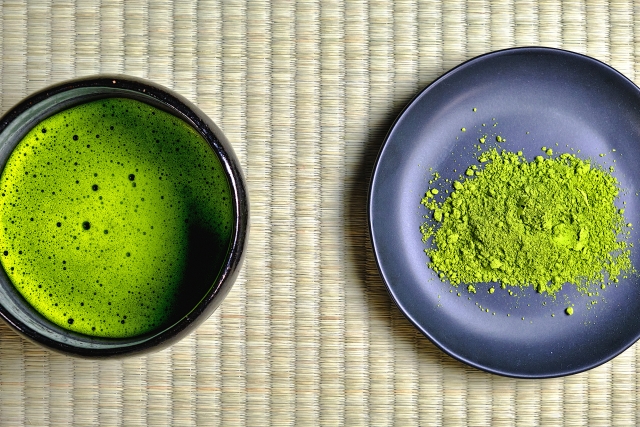
Struggling to Lose Weight with PCOS? How Matcha Boosts Your Metabolism
Weight loss is often the biggest challenge for those with PCOS. Traditional dieting often fails because the metabolism is sluggish. Matcha provides a natural metabolic “kick” without the jitters of sugary energy drinks.
Can the Combination of Catechins and Caffeine Accelerate Fat Burning?
Matcha contains both caffeine and catechins. These two work together to increase thermogenesis, which is your body’s rate of burning calories.
Why Should You Drink Matcha Before Working Out for Better Weight Management?
Drinking a cup of matcha about 30 minutes before exercise can improve your results. It helps you stay focused and increases the amount of fat you burn during your session. Since it releases energy slowly, you won’t experience a sudden “crash” halfway through your workout.
Learn more about matcha for weight loss here.
Matcha vs. Green Tea or Coffee: Which is the Best Drink for PCOS Patients?
Choosing the right morning beverage is crucial for hormone health. While many reach for coffee, it might not be the best choice for everyone with PCOS.
Is Matcha More Effective Than Regular Green Tea for Antioxidant Intake?
Yes, matcha is significantly more potent. When you brew regular green tea, you throw away the leaves. With matcha, you drink the actual leaf powder. This provides:
Why is Matcha Better Than Coffee for Adrenal Health and Stress Relief?
Coffee can sometimes spike cortisol, our stress hormone. High cortisol levels often worsen PCOS symptoms and lead to “belly fat.” Matcha contains L-theanine, an amino acid that promotes relaxation. It gives you “calm alertness” instead of the nervous energy often caused by coffee.
|
Feature |
Matcha |
Coffee |
|
Energy Source |
Slow-release Caffeine |
Quick-spike Caffeine |
|
Stress Effect |
Lowers Stress (L-theanine) |
Can Increase Cortisol |
|
Antioxidants |
Very High |
Moderate |
|
PCOS Benefit |
Supports Insulin |
May Irritate Adrenals |
How to Make PCOS-Friendly Matcha: Best Recipes and Serving Tips
To get the most out of your matcha, you must prepare it correctly. Adding sugar or dairy can undo many of the health benefits.

Why is Sugar-Free Matcha Essential for Managing PCOS Symptoms Effectively?
Sugar is the enemy of insulin stability. Even “healthy” sweeteners can cause a spike that leads to inflammation. For PCOS management, it is best to enjoy the natural, savory taste of high-quality ceremonial-grade matcha.
What are the Best Low-GI Alternatives for a Healthy Matcha Latte?
If you prefer a latte, choose milk alternatives that won’t spike your blood sugar. Good options include:
PCOS-Friendly Iced Matcha Latte Recipe
Ingredients:
Instructions:
- Sift the matcha into a bowl to remove lumps.
- Add warm water and whisk until frothy.
- Fill a glass with ice and pour in the almond milk.
- Top with the whisked matcha and stir gently.
When is the Best Time to Drink Matcha for Maximum Glucose Control?
The best time is either in the morning or about 30 to 60 minutes after a meal. Drinking it after a meal can help prevent the post-lunch energy slump by stabilizing your blood sugar levels.
How Much Matcha is Safe to Drink Daily Without Overloading on Caffeine?
Most experts recommend 1 to 2 cups per day. This provides enough antioxidants to be effective without consuming too much caffeine. Listen to your body and see how you feel.
Are There Side Effects? Understanding Caffeine and Your Hormones
While matcha is generally safe, it is important to be mindful of how caffeine affects your unique body.

Could Excessive Caffeine Increase Cortisol and Worsen Hormonal Imbalance?
If you drink too much, even the “good” caffeine in matcha can raise cortisol. If you feel shaky or anxious, you may be overdoing it. High cortisol can tell your body to hold onto fat, especially around the stomach area.
Why Should You Avoid Matcha at Night to Protect Your Sleep Quality?
Sleep is when your hormones balance themselves. Since matcha contains caffeine, avoid drinking it after 2 PM or 3 PM. This ensures you can get deep, restorative sleep that is vital for PCOS recovery.
Learn more about matcha side effects here.
Conclusion: Start Your Journey to Better Hormonal Health with Matcha
Matcha is more than just a trendy drink; it is a functional food for PCOS. Improving insulin sensitivity and reducing inflammation, it helps you take control of your health. Ready to experience the benefits yourself?
Check out our Premium Ceremonial Matcha to start your wellness journey today. Our stone-ground powder is sourced directly from Japan to ensure you get the highest antioxidant levels possible.
【Disclaimer】
This statement has not been evaluated by the Food and Drug Administration. This product is not intended to diagnose, treat, cure, or prevent any disease.