Is Matcha Acidic? The Truth About pH & Stomach Health


Do you suffer from heartburn or an upset stomach after your morning coffee? You are not alone, and you might be looking for a gentler alternative. Is matcha acidic?
The short answer is yes, but it is much gentler than coffee and often considered alkaline-forming. In this article, we explain the pH levels of matcha, why it might be the solution for your acid reflux, and how to drink it safely.
Is Matcha Acidic? Understanding the pH Level
Many people worry about acidity in their diet. To understand if matcha fits your needs, we must look at the pH scale. The pH scale measures how acidic or basic a substance is.
The pH level of matcha is typically between 5.8 and 6.4.
This makes matcha mildly acidic. However, it is very close to neutral. For comparison, lemon juice has a pH of 2, which is very acidic.
Importantly, many experts consider matcha to be an alkaline-forming food. This means that after your body digests the tea, it helps balance your body’s pH levels. This is different from coffee, which often increases acid production in the stomach.
Matcha vs Coffee: Which Is Better for Acid Reflux?
If you are thinking about switching from coffee to matcha, your stomach will likely thank you. Coffee is one of the biggest triggers for acid reflux (GERD) and heartburn.
Here is a quick comparison of matcha vs coffee acidity:
|
Feature |
Coffee |
Matcha Green Tea |
|
pH Level |
4.8 – 5.0 (High Acidity) |
5.8 – 6.4 (Mild Acidity) |
|
Caffeine Type |
Rapid spike (Jitters) |
Slow release (Calm energy) |
|
Stomach Impact |
Stimulates high stomach acid |
Gentle, soothing effect |
|
Aftertaste |
Acidic / Sour |
Savory / Sweet |
Is matcha less acidic than coffee? Yes, significantly. Coffee is much more acidic and harsh on the esophageal lining. Additionally, the caffeine in coffee hits your system all at once. This spike triggers your stomach to produce excess acid immediately.
Matcha contains L-theanine, an amino acid that promotes relaxation. This combination slows down the absorption of caffeine. As a result, you get a steady energy boost without the “jitters” or sudden stomach acid spikes.
Does Matcha Cause Acid Reflux or Stomach Upset?
Generally, is matcha good for acid reflux? Yes, for most people. However, some users still search for terms like “green tea upset stomach” or “green tea nausea.”
While matcha is safer than coffee, it can cause issues for very sensitive people if consumed incorrectly.
Why Does Green Tea Make Me Sick?
If you feel nauseous after drinking green tea, it is usually due to tannins. Tannins are naturally occurring compounds in tea plants. They are antioxidants, which are good for you, but they increase stomach acid temporarily.
If you have high stomach acid levels or an empty stomach, tannins can cause:
This does not mean matcha is bad for you. It simply means you need to adjust how you drink it.
How to Drink Matcha With a Sensitive Stomach
If you have a sensitive stomach, you do not have to give up matcha. You just need to prepare it the right way. Here are the best tips to enjoy low-acid tea experiences.
Can I Drink Matcha on an Empty Stomach?
No, you should avoid drinking matcha on a completely empty stomach. This is the number one cause of green tea nausea.
The tannins in the tea can irritate your stomach lining when there is no food to buffer them.
Is a Matcha Latte Better for Acid Reflux?
Yes, a matcha latte is an excellent choice for preventing acid reflux. The protein and fat in milk (or plant-based milk) help neutralize the tannins and acidity.
Stomach-Friendly Matcha Latte Recipe
Ingredients:
Steps:
- Sift the matcha powder into a mug to remove lumps.
- Add the hot water and whisk vigorously until frothy.
- Heat your milk separately until warm.
- Pour the warm milk over the matcha base and stir gently.
Does Cold Brew Matcha Have Less Acid?
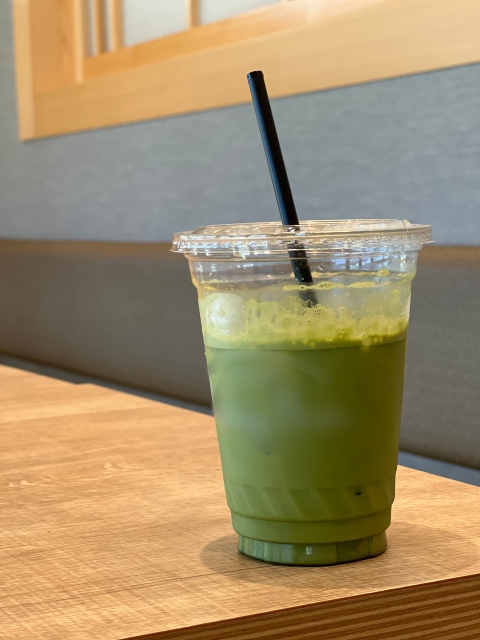
Yes, cold brew green tea releases fewer tannins and less caffeine than hot tea. Heat extracts chemical compounds rapidly. By using cold water, you extract the sweet, savory flavors without the bitter tannins that irritate the stomach.
If hot tea gives you heartburn, try shaking your matcha powder with cold water and ice. It is refreshing and very gentle on the gut.
Does Matcha Quality Affect Stomach Issues?
Absolutely. The quality of your matcha powder matters.
For drinking straight, always choose a high-quality pure matcha. Avoid “earthy” or bitter, cheap blends if you have acid reflux.
Learn more about types of matcha.
FAQ: Common Questions About Matcha and Digestion
Here are answers to common questions about tea and acid reflux.
Conclusion: Is Matcha Safe for Your Diet?
So, is matcha acidic? It is only mildly acidic and is generally safe for people with acid reflux. It is a far better alternative to coffee due to its lower acidity and calming L-theanine. By drinking it with milk or after a meal, you can enjoy the energy boost without the stomachache.
Ready to make the switch?
Start your journey to better gut health today.
【Disclaimer】
This statement has not been evaluated by the Food and Drug Administration. This product is not intended to diagnose, treat, cure, or prevent any disease.