How to Make Matcha Without a Whisk: 5 Best Ways



You just bought delicious matcha powder, but you realized you are missing one thing. You do not have a traditional bamboo whisk. Does this mean you cannot enjoy your tea? Absolutely not.
Many people think they need special tools to drink matcha. However, you can make a perfect cup with items already in your kitchen. This guide will show you how to make matcha without a whisk using simple methods. You will learn how to get that smooth, frothy texture easily.
In this article, we will cover:
Let’s get brewing so you can enjoy your healthy green energy boost today.

Can You Make Matcha Without a Whisk?
Yes, you can absolutely make matcha without a bamboo whisk. The bamboo whisk, known as a chasen, is the traditional tool used in Japanese tea ceremonies. It is designed to suspend the fine powder in water and create a thick foam.
However, for a daily cup at home, a chasen is not mandatory. The goal is simply to mix the powder with water so there are no clumps. Modern kitchen tools can do this very well. In fact, some modern electric tools can create even more foam than a traditional whisk. You do not need to be a tea master to enjoy the flavor and health benefits of matcha.
Learn more about making matcha without a whisk.
While traditional tools are beautiful, convenience is key for a modern lifestyle.
5 Easy Tools to Mix Matcha Without a Whisk
You likely have several of these tools in your kitchen right now. Let’s look at the five best alternatives to the bamboo whisk.
1. Use an Electric Milk Frother for Best Foam
This is the best method for matcha lovers who want a cafe-style foam. An electric milk frother is a small, handheld wand. It spins very fast to whisk air into the liquid.
How to do it:
- Sift 1 teaspoon of matcha into a mug.
- Add a small amount of warm water (about 2 oz / 60 ml).
- Insert the frother and turn it on.
- Whisk until thick bubbles form on top.
- Add the rest of your water or milk.
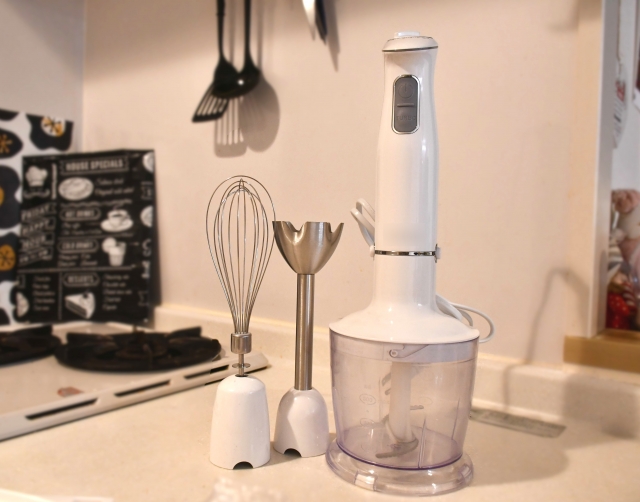
Why it works:
It creates a creamy, frothy texture in seconds. It breaks up clumps effectively.
2. The Mason Jar Method (Easiest Way)
If you do not have any electric tools, use a jar with a tight lid. A mason jar or a protein shaker bottle works perfectly. This is often called the “shaker method.”
How to do it:
- Put your matcha powder and water (or milk) into the jar.
- Add a few ice cubes if you want cold tea.
- Screw the lid on very tightly.
- Shake the jar vigorously for 15 to 20 seconds.
Why it works:Why it works:
The ice cubes act like a whisk ball to break up powder. This is the best method for making iced matcha lattes quickly.
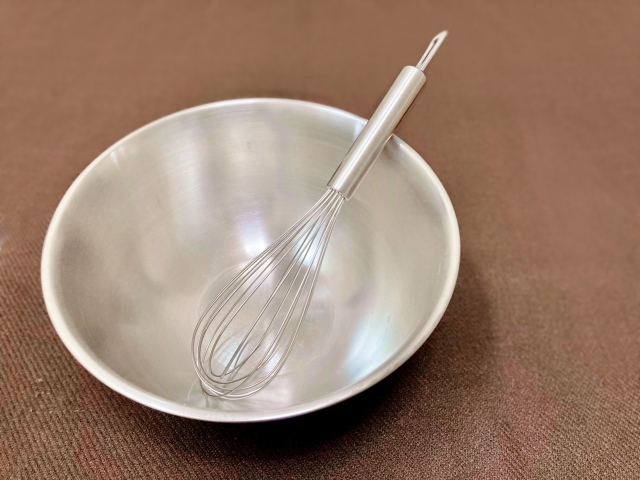
3. Using a Small Wire Whisk
Most kitchens have a standard metal wire whisk for baking. While it is larger than a bamboo whisk, it can still do the job.
How to do it:
Be careful not to scratch your bowl if you use a metal whisk.
4. Can I Use a Spoon for Matcha?
Using a spoon is the most basic method. However, it is the hardest way to get a smooth texture. A spoon cannot add air to the mixture, so you will not get foam.
How to avoid lumps with a spoon:
You must use the “paste method” (explained below) if you use a spoon. If you just dump powder into water and stir, it will remain clumpy. Use the back of the spoon to press the paste against the side of the cup to smooth it out.
5. Using a Blender for Large Batches
If you are making matcha for you and a friend, a kitchen blender is a great tool. It is powerful and ensures a very smooth drink.
How to do it:
- Add water, matcha powder, and sweetener to the blender.
- Blend on a low setting for 10 seconds.
- Pour into cups.
This is also perfect if you want to add fruit or protein powder to make a smoothie.
How to Make Frothy Matcha Without Clumps?
The biggest challenge when making matcha is avoiding lumps. Matcha is a very fine powder that loves to stick together when it touches water.
Here is a quick comparison of the tools for avoiding lumps:
|
Tool |
Clump Fighting Ability |
Foam Level |
Difficulty |
|
Electric Frother |
High |
High |
Easy |
|
Mason Jar |
Medium |
Medium |
Very Easy |
|
Metal Whisk |
Medium |
Low |
Medium |
|
Spoon |
Low |
None |
Hard |

Why You Should Make a Matcha Paste First
Regardless of the tool you use, making a “paste” is the secret to smooth tea. This is similar to mixing flour and water before making gravy.
The Paste Technique:
- Add your matcha powder to your empty mug.
- Add only a tiny splash of water (about 1 teaspoon).
- Mix this thoroughly until it looks like a thick green glue.
- Ensure all dry powder is wet.
- Pour in the rest of your hot water or milk.
By doing this, you ensure the powder is fully dissolved before you add the bulk of the liquid.
How to Make a Matcha Latte Without a Whisk?
A matcha latte is a popular drink that mixes green tea with steamed milk. You can easily make this at home without a whisk.
Simple No-Whisk Latte Recipe:
Ingredients
1 tsp Matcha, 1 tbsp hot water, 1 cup Milk (oat, almond, or dairy), Sweetener (honey or sugar).
- Add matcha and sweetener to a mug.
- Add the hot water and mix with a spoon to create a smooth paste.
- Heat your milk in the microwave or on the stove.
- If you have a jar, shake the hot milk to make it frothy.
- Pour the hot milk over your matcha paste.
Enjoy your cafe-quality drink at home for a fraction of the price!
Common Questions About Making Matcha
Here are some answers to frequent questions we hear from our US customers.
Mastering Whisk-Free Matcha at Home
You do not need to be a professional barista to enjoy green tea. Learning how to make matcha without a whisk opens up a world of flavor and health benefits. Whether you use an electric frother, a simple mason jar, or just a spoon, the key is the technique.
Remember to make a paste first to avoid clumps. Try different methods to see which one fits your morning routine best.
Ready to start your matcha journey?
Explore our collection of premium organic matcha directly from Japan and taste the difference today.
【Disclaimer】
This statement has not been evaluated by the Food and Drug Administration. This product is not intended to diagnose, treat, cure, or prevent any disease.