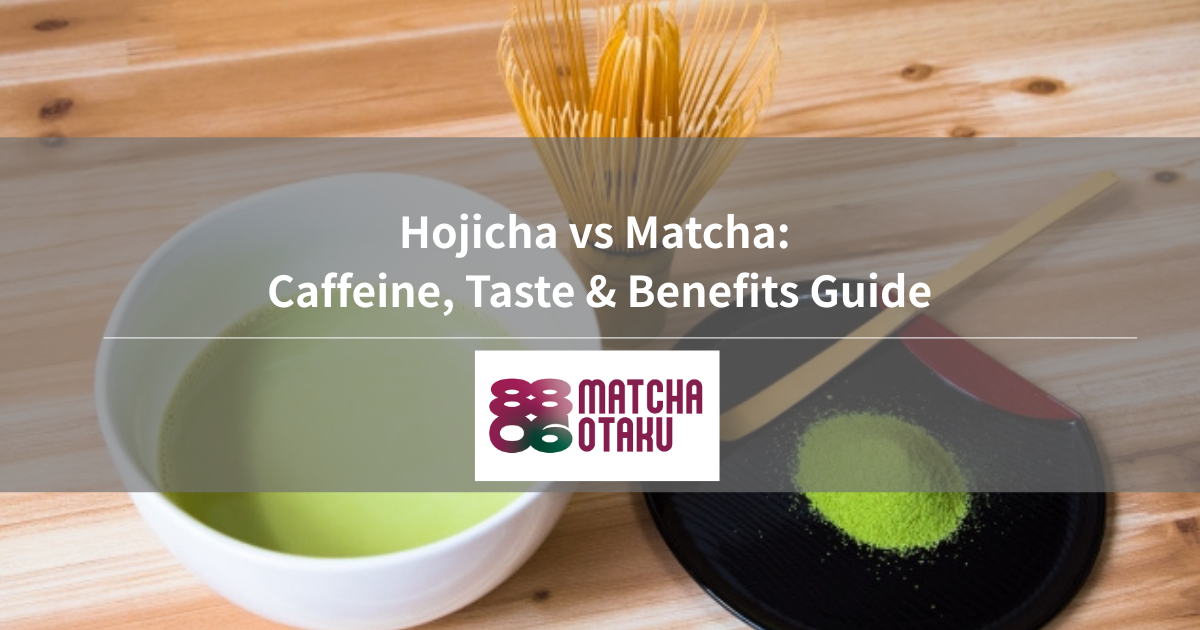
Hojicha vs Matcha: Caffeine, Taste & Benefits Guide


Can’t decide which Japanese tea to drink? You are not alone. Many people get confused about the difference between Hojicha and Matcha.
Here is the quick answer: Matcha is for energy, and Hojicha is for relaxation.
Matcha is a bright green powder that gives you a strong focus boost. Hojicha is a reddish-brown roasted tea with very low caffeine.
In this guide, we compare caffeine levels, flavor profiles, and health benefits. By the end, you will know exactly which tea fits your lifestyle.
Hojicha vs Matcha: What’s the Main Difference?
To understand these teas, we must look at how they are made. Both come from the same plant, Camellia sinensis, but they are processed differently.
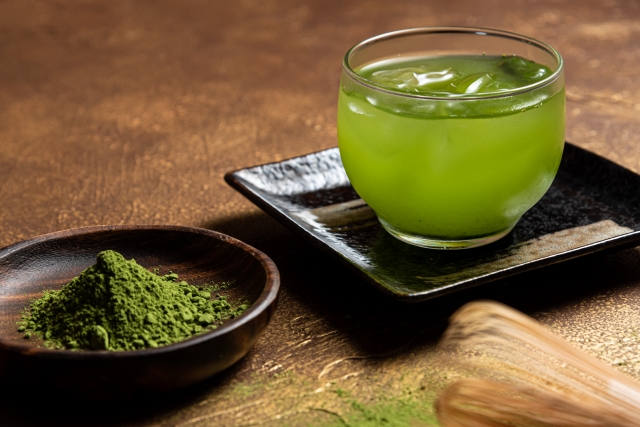
Matcha is made from shade-grown tea leaves. These leaves are steamed, dried, and ground into a fine, vibrant green powder. You consume the whole leaf when you drink it.
Hojicha is a roasted green tea. The tea leaves (often Bancha or Sencha) are roasted at high heat in a porcelain pot. This process turns the leaves brown and creates a toasty aroma.
Learn more details of matcha and hojicha here.
Caffeine Content: Which Tea Has More Energy?
If you are sensitive to caffeine, this is the most important section. There is a massive difference in energy levels between these two teas.
Here is a quick comparison table:
|
Feature |
Matcha (8 fl oz / 240 ml) |
Hojicha (8 fl oz / 240 ml) |
|
Caffeine |
High (35–70 mg) |
Very Low (approx. 7–10 mg) |
|
Energy Effect |
Sharp focus, long-lasting |
Mild, relaxing |
|
Best Time |
Morning or Early Afternoon |
Evening or Night |
Click here to learn more about matcha caffeine content.

Matcha Caffeine: Best for Morning Focus
Matcha is famous for its energy boost. Because you drink the powdered leaf, you get a higher concentration of caffeine.
However, it is different from coffee. Matcha contains L-theanine, an amino acid that promotes relaxation. This combination creates a “calm alertness” without the jittery crash often associated with coffee.
It is the perfect choice for:
Hojicha Caffeine: Low-Caf for Evenings
Does Hojicha have caffeine? Yes, but very little. The high-heat roasting process burns away most of the caffeine content.
This makes Hojicha widely popular in Japan for children and the elderly. It is a gentle tea that will not keep you awake at night.
It is the perfect choice for:
Taste Test: Grassy Matcha vs. Nutty Hojicha
Flavor is usually the deciding factor for new tea drinkers. These two teas taste completely different.
Matcha has a rich, complex flavor. It is vegetal and grassy with a savory note known as “umami.” High-quality matcha has a natural sweetness, but lower grades can be bitter.
Hojicha is free of bitterness. The roasting process gives it a savory, nutty, and smoky flavor. It tastes somewhat like caramel or toasted grains.
Summary of Flavors:
Health Benefits: Which Tea Is Better for You?
Both teas are healthy, but they offer different types of support for your body.
Matcha Benefits: Antioxidant Powerhouse
Matcha is often called a superfood. Since you ingest the whole leaf, you get 100% of the nutrients.
It is packed with catechins, specifically EGCG. According to research, these antioxidants help support metabolism and heart health.
Key Matcha Wins:
[External Link: Health Benefits of Green Tea – National Institutes of Health (.gov)]
Hojicha Benefits: Relaxing & Digestion
Hojicha is excellent for physical well-being. The roasting process produces a compound called pyrazine.
Pyrazine is responsible for the toasty scent that helps relax the brain and lower stress. Additionally, Hojicha is less acidic than other teas, making it very gentle on the stomach.
Key Hojicha Wins:
How to Drink: Hojicha Latte vs Matcha Latte
Both teas make delicious lattes. If you visit a cafe in Tokyo or New York, you will likely see both on the menu.
Matcha Latte:
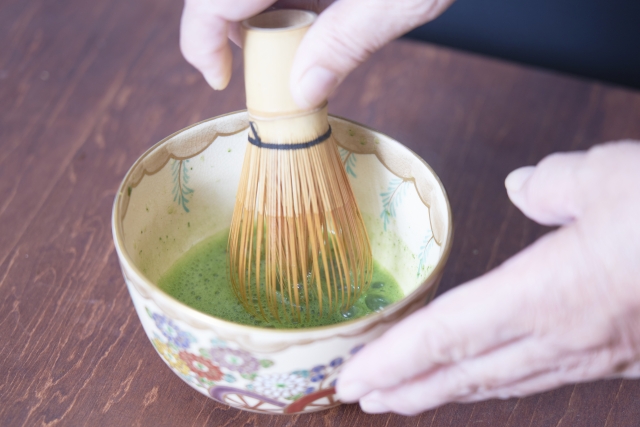
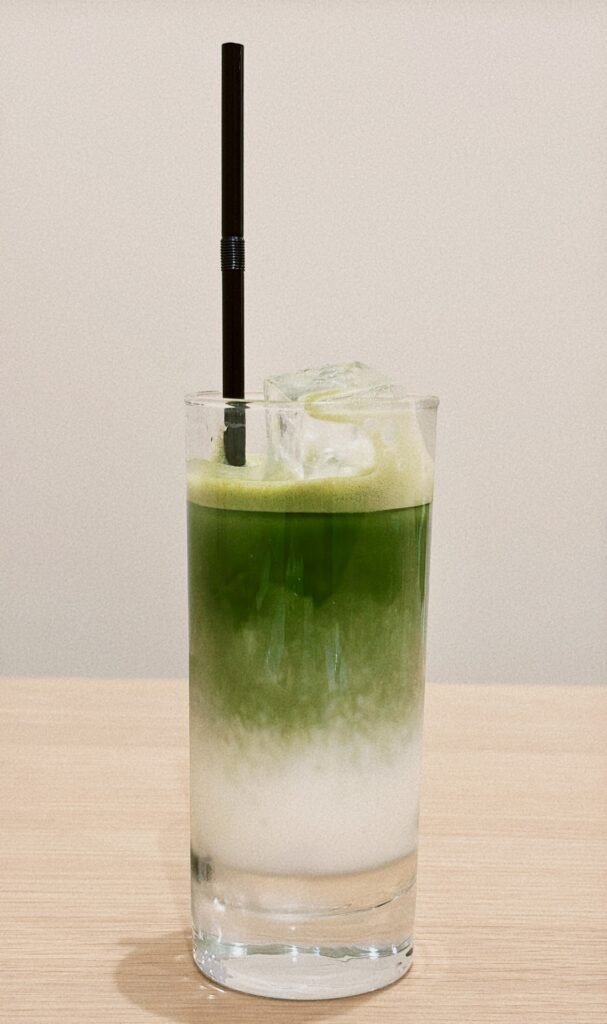
This is a classic. The grassy notes of matcha pair perfectly with milk and a little sugar. You typically need a bamboo whisk (chasen) to froth the powder into hot water before adding milk.
Hojicha Latte:
This is a rising trend. Hojicha powder mixes with milk to create a drink that tastes like a roasted milk tea or a cozy cocoa alternative. It is naturally sweeter and often requires less added sugar.
Beyond Matcha: Hojicha vs Sencha & Genmaicha
Choosing between Hojicha vs Matcha depends on what you need right now.
You should buy Matcha if:
You should buy Hojicha if:
Why not try both? Many of our customers drink Matcha in the morning to wake up and Hojicha in the evening to wind down.
【Disclaimer】
This statement has not been evaluated by the Food and Drug Administration. This product is not intended to diagnose, treat, cure, or prevent any disease.