Does Matcha Give You Energy? Caffeine & Benefits Explained


Feeling anxious after your morning coffee? You aren’t alone. Many people need a cleaner way to wake up. Does matcha give you energy? Yes. However, matcha provides a unique, steady alertness. Unlike coffee, it avoids the dreaded “crash.” In this article, we explain:
Ready for better mornings? Let’s dive in.
How Does Matcha Give You Energy?
Matcha is a natural energy powerhouse. It works in harmony with your body’s chemistry, unlike other caffeinated drinks.
Why Does Matcha Wake You Up Without Jitters?
The secret is an amino acid called L-theanine. While matcha has caffeine, L-theanine changes how you absorb it. L-theanine promotes relaxation.
Combined with caffeine, it creates “calm alertness.” You feel focused, but your heart rate remains steady.
How Long Does Matcha Energy Last?
Coffee gives a quick spike and a fast crash. Matcha is different. Because matcha releases caffeine slowly, the energy boost lasts for 4 to 6 hours.
It is perfect for long workdays. You stay productive without needing a second cup.
Matcha vs. Coffee: Which Is Better for Energy?
Is matcha better than coffee? Let’s compare the facts. Learn more about the difference between matcha and coffee.
How Much Caffeine Is in a Cup of Matcha?
Matcha typically contains less caffeine than coffee but more than steeped green tea.
Here is the breakdown per 8 oz (240 ml) serving:
|
Drink |
Caffeine (Approx.) |
Energy Type |
|
Matcha |
30–70 mg |
Steady |
|
Coffee |
90–150 mg |
Spiky |
|
Espresso |
64 mg (per shot) |
Intense |
|
Green Tea |
20–45 mg |
Mild |
[Source: FDA – Spilling the Beans on Caffeine]
Why Choose Matcha Over Coffee?
Coffee is acidic and can upset your stomach or stain your teeth. Matcha is gentler.
Choosing matcha means:
Is Matcha Better Than Regular Green Tea?
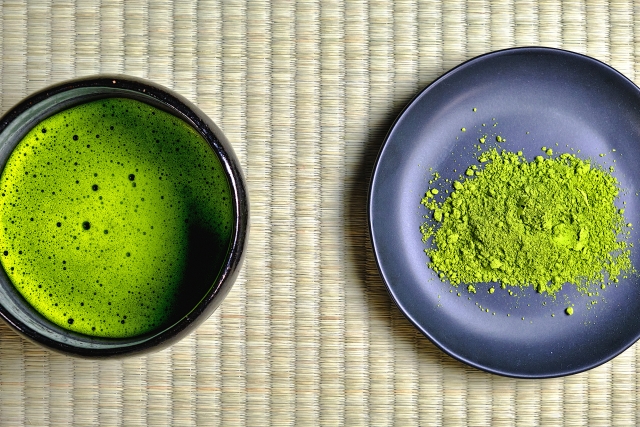
Yes. With regular tea, you toss the leaves. With matcha, you drink the whole powdered leaf. This means you get 100% of the nutrients and antioxidants. One cup of matcha roughly equals three cups of regular green tea.
Beyond Energy: What Are the Benefits of Matcha?
People come for energy but stay for the health benefits, thanks to antioxidants called catechins.
Does Matcha Improve Focus and Concentration?
Monks used matcha for meditation for centuries. L-theanine increases alpha waves in the brain, linked to mental clarity. Matcha clears brain fog and helps you focus on difficult tasks effectively.
Is Matcha Good for Weight Loss?
Matcha contains EGCG (Epigallocatechin gallate), an antioxidant that may boost metabolism. A faster metabolism burns calories more efficiently. Drinking matcha before a workout can help support your fitness goals.
Green Tea: Usefulness and Safety | NCCIH
Side Effects: Is It Safe to Drink Matcha Daily?
For most, matcha is safe and healthy. Balance is key.
How Much Matcha Should You Drink a Day?
We recommend 1 to 2 cups daily. This provides benefits without overdoing it.
Too much caffeine can cause:
If sensitive to caffeine, start small. Learn more about matcha caffeine content here.
Can You Drink Matcha While Pregnant?
Pregnant individuals should limit caffeine to under 200 mg daily.
One cup of matcha (30–70 mg) is usually safe. However, always consult your doctor first.
How to Make Matcha for Maximum Energy
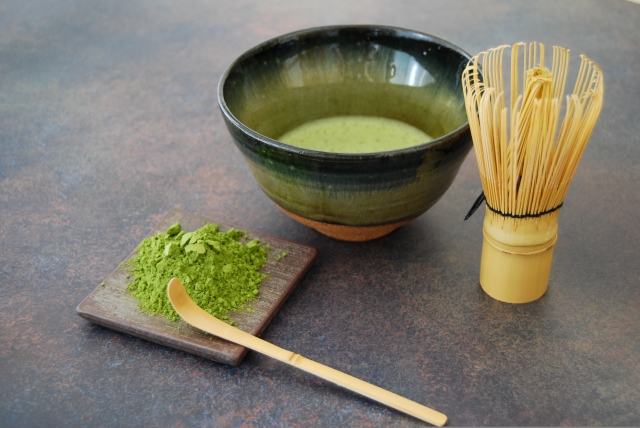
Making matcha is simple. No fancy equipment is needed.
When Is the Best Time to Drink Matcha?
Avoid drinking it late at night to ensure good sleep.
How to Make a Healthy Matcha Latte at Home
Here is our favorite energy-boosting recipe.
Ingredients:
Instructions:
- Sift matcha into a mug.
- Add hot water.
- Whisk in a “W” motion until frothy.
- Pour in heated milk.
- Sweeten and enjoy!
How to Choose the Best Matcha Powder
Quality matters for taste and energy.
We source directly from Japan for the best flavor.
What Is Matcha? Understanding the Basics
New to matcha? Here is the quick definition.
What Is Matcha Made Of and How Is It Grown?
Matcha comes from Camellia sinensis, like green tea. But it is shade-grown for 3–4 weeks before harvest.
Shading:
Leaves are steamed, dried, and ground into fine powder.

Experience Lasting Focus: Does Matcha Give You Energy Without the Crash?
Does matcha give you energy? Absolutely. It offers a clean, lasting boost without stress.
If you hate the coffee crash, matcha is your perfect alternative. It supports both mind and body.
Ready to feel the difference?
【Disclaimer】
This statement has not been evaluated by the Food and Drug Administration. This product is not intended to diagnose, treat, cure, or prevent any disease.