Blue Matcha vs. Green Matcha: What’s the Real Difference?


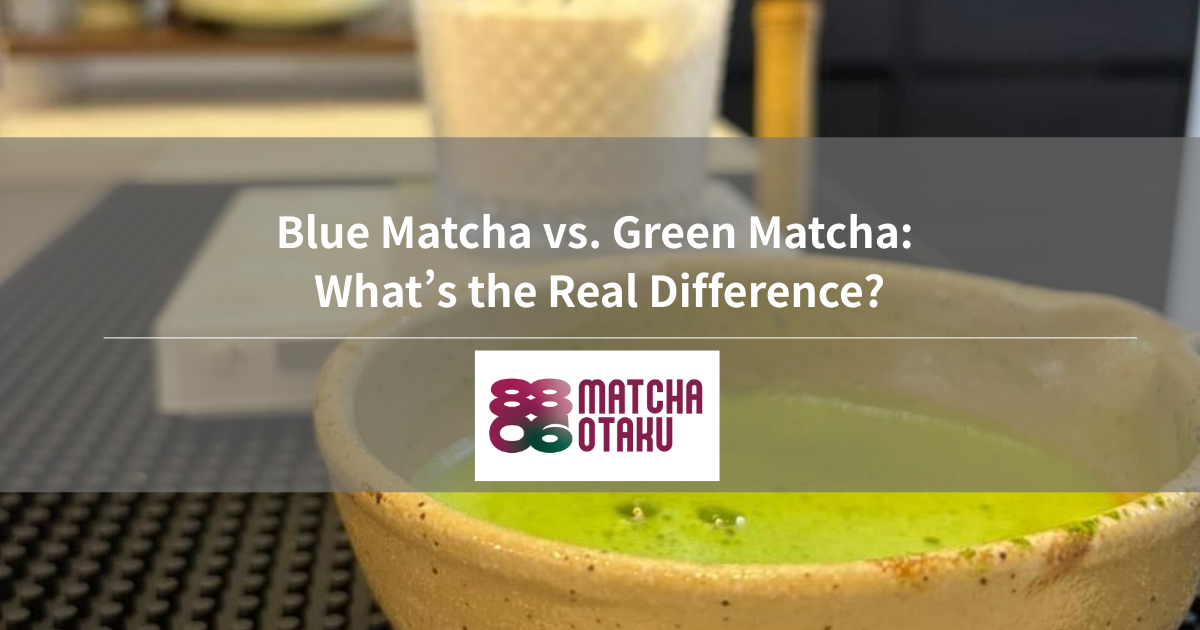
You see vibrant blue lattes all over Instagram, but are they real matcha? It can be confusing. Here is the short answer: Green matcha is tea, but blue matcha is a flower.
This article will explain exactly what blue matcha is and how it compares to traditional green matcha. By the end, you will know which powder fits your taste and health goals best.
What Is Blue Matcha? Is It Actually “Real” Tea?
Many people ask, “Is blue matcha real?” The answer is yes and no. It is a real powder, but it is not technically tea.
True matcha comes from the Camellia sinensis plant (tea leaves). Blue matcha comes from the dried flowers of the Butterfly Pea plant (Clitoria ternatea). These flowers are ground into a fine powder, just like green matcha.
Because it does not come from tea leaves, blue matcha is an herbal tisane. It is famous for its vibrant color. Interestingly, if you add lemon juice to it, the color changes from blue to purple!
While there are stories of “Ancient Chinese blue matcha,” most products today are pure butterfly pea flower powder.
Blue Matcha vs. Green Matcha: The Key Differences
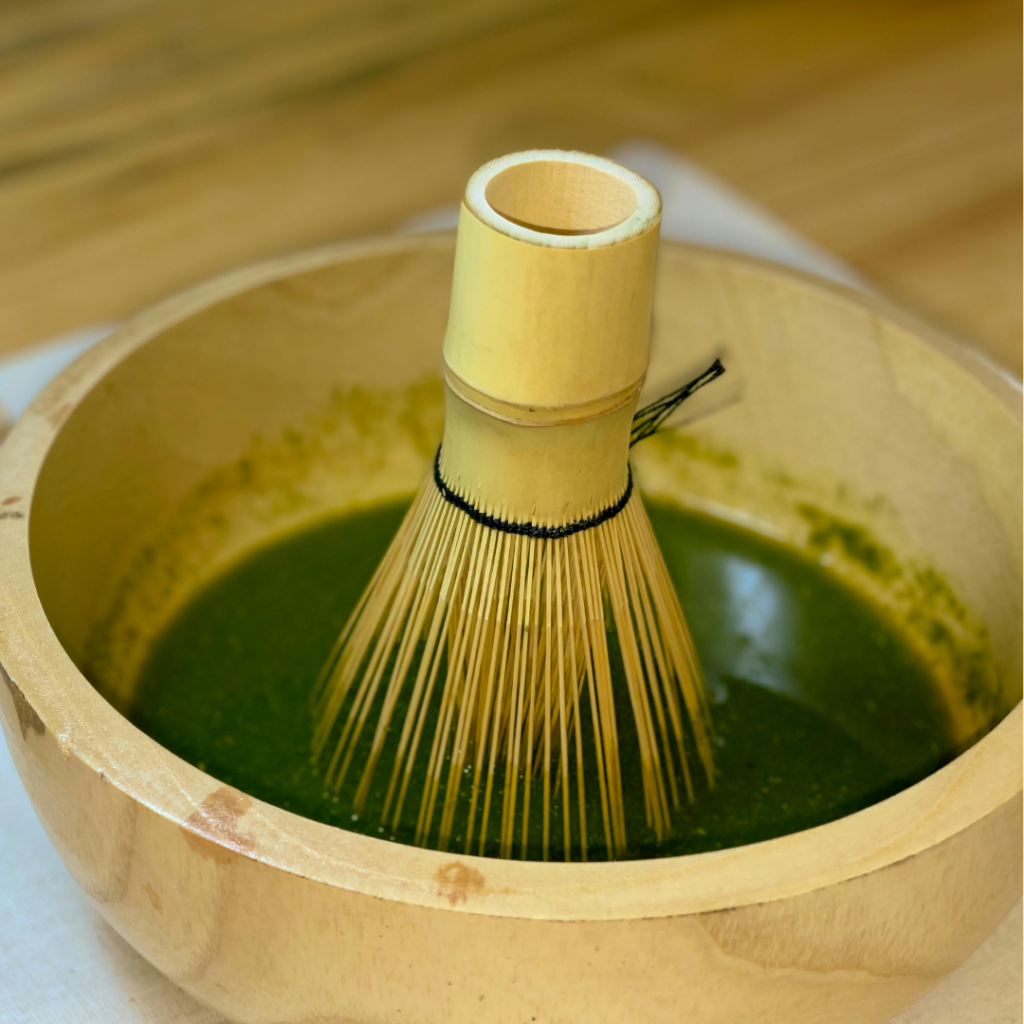
To help you decide, let’s look at the main differences side-by-side.
- Green Matcha: Best for energy and focus.
- Blue Matcha: Best for relaxation and natural food coloring.
Learn more about types of matcha here.
What Does Blue Matcha Taste Like? (Taste Test)
You might expect the blue powder to taste like berries, but it does not. So, what does blue matcha taste like?
It has a very mild, earthy flavor. Some people say it tastes slightly woody or like weak peas. It is not bitter, but it is not sweet either. It blends easily with milk and sweeteners.
This has a bold, “umami” flavor. It tastes grassy and rich. High-quality matcha should have a natural sweetness, but lower grades can be bitter.
If you want a strong tea flavor, stick with green. If you want a fun color without a strong taste, try blue.
Does Blue Matcha Have Caffeine? (The Truth)
This is the biggest selling point for many customers. Does blue matcha have caffeine?
No, blue matcha is 100% caffeine-free.
Because it is made from flowers, it contains no stimulants. This makes blue matcha perfect for:
On the other hand, green matcha contains about 35-70 mg of caffeine per serving (similar to a shot of espresso). It provides a steady energy boost without the jitters.
Is Green Matcha Better Than Blue for Your Health?

Both powders are widely considered superfoods, but they offer different potential benefits.
Green Matcha Benefits: Green matcha is famous for its antioxidants, specifically catechins like EGCG. According to the National Institutes of Health (NIH), green tea is linked to heart health and improved brain function.
Blue Matcha Benefits: Blue matcha is rich in anthocyanins, the same antioxidant found in blueberries.
Is green matcha better than blue? For energy and metabolism, green matcha is often the preferred choice. For relaxation and potential anti-aging properties, blue is a popular alternative.
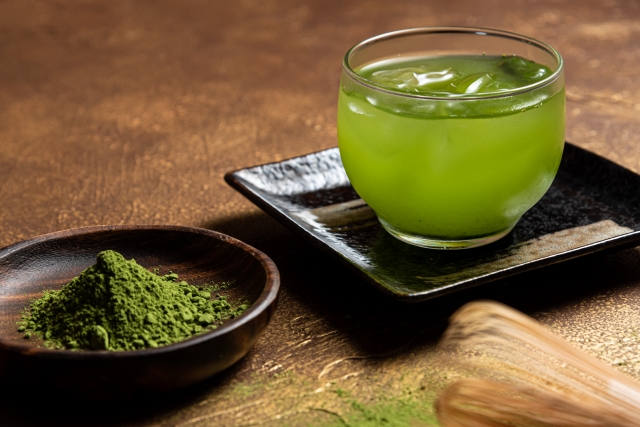
While many studies highlight the potential health benefits of both green and blue matcha, some effects have not yet been fully verified by large-scale clinical research. Individual results may vary.
What About Black Matcha and Roasted Matcha?
You may have seen other colors, too. Here is a quick breakdown:
|
Black Matcha |
This is usually made from ground black tea leaves or oxidized tea. It has a bold, malty flavor. |
|
Roasted Matcha (Hojicha Powder) |
This is green tea that has been roasted. It is brown in color and tastes smoky and nutty. It has lower caffeine than green matcha. |
Final Verdict: Which Matcha Should You Choose?
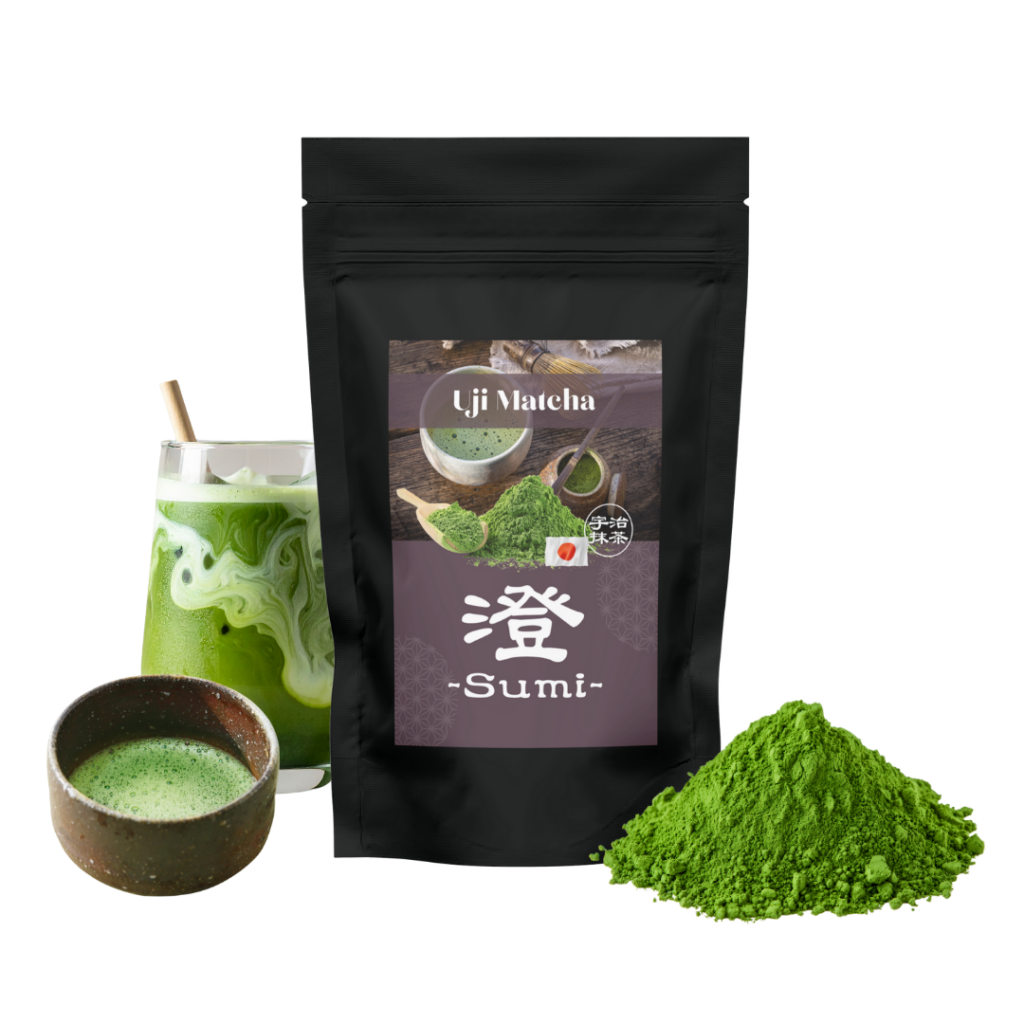
Both green and blue matcha have a place in your pantry.
Why not try both? You can start your morning with our premium Green Matcha and wind down in the evening with a blue latte.
Ready to upgrade your tea routine?
Explore our full collection of authentic Japanese Matcha and tea powders today.
【Disclaimer】
This statement has not been evaluated by the Food and Drug Administration. This product is not intended to diagnose, treat, cure, or prevent any disease.