Matcha Caffeine Content Guide: Amount vs Coffee & Tea


Do you love energy boosts but hate the nervous jitters from coffee? This guide explains exactly how much caffeine is in matcha and why it feels different. By the end, you will know the perfect amount for your daily routine.
How Much Caffeine is in Matcha Powder?
When you buy matcha, you are buying the whole tea leaf ground into a fine powder. Because you consume the entire leaf, the caffeine content is higher than in steeped tea.
How Much Caffeine is in a Cup of Matcha?
A standard serving of matcha uses about 1 teaspoon (2 grams) of powder. This amount typically contains between 38 and 88 milligrams (mg) of caffeine.
The exact number depends on the quality and freshness of the tea. Generally, a high-quality bowl of matcha has about 70 mg of caffeine. This is enough to wake you up without making you feel anxious.
Does Matcha Have Caffeine Naturally?
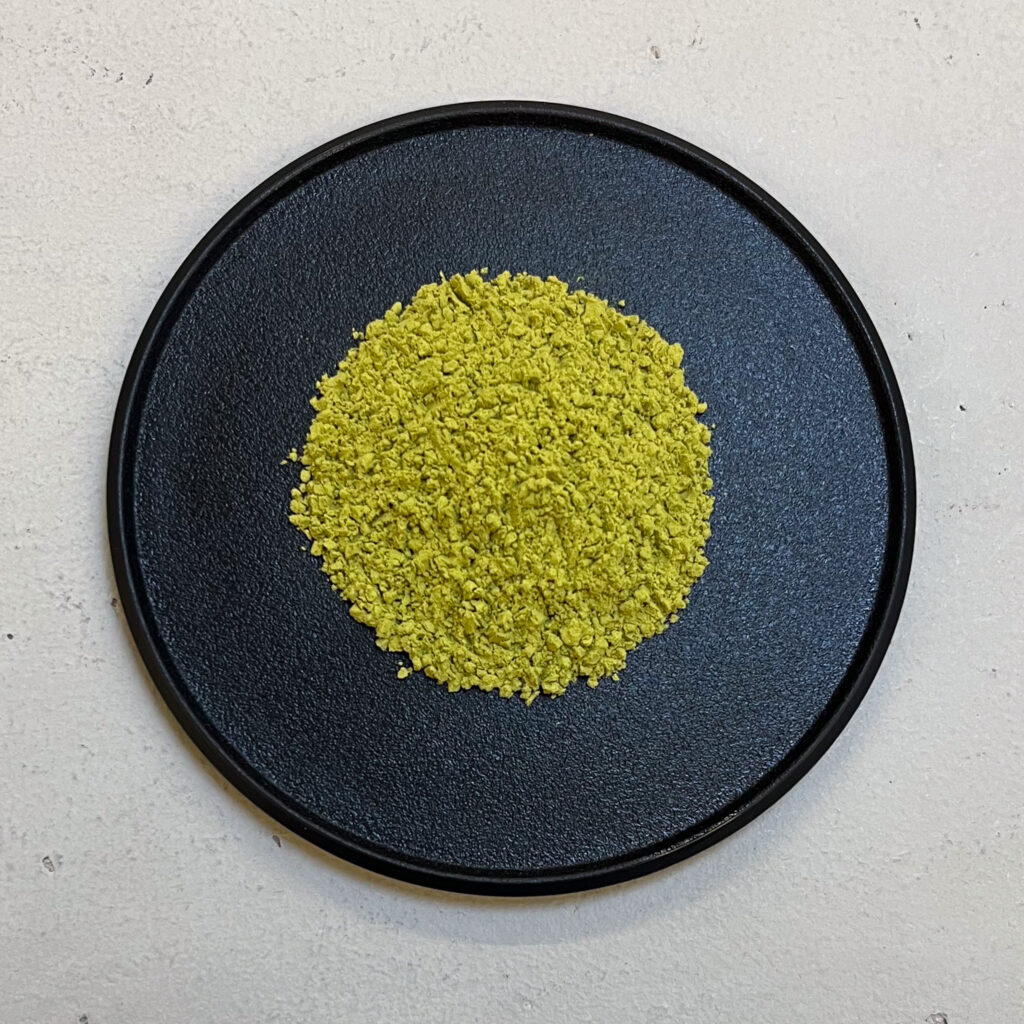
Yes, matcha naturally contains caffeine. It comes from the Camellia sinensis plant, just like green and black tea.
Matcha farmers grow the plants under shade for weeks before harvest. This shading process forces the plant to produce more chlorophyll and caffeine. Therefore, matcha has a higher caffeine concentration than standard green tea leaves grown in the sun.
Matcha vs Coffee Caffeine: Which is Stronger?
Many people switch from coffee to matcha to avoid the “afternoon crash.” But which one actually packs a bigger punch?
Matcha vs Coffee: What is the Difference?
Coffee generally provides a quick spike of energy. Matcha provides a steady flow.
In terms of pure numbers, coffee usually wins.
However, coffee releases caffeine instantly into your bloodstream. Matcha releases it slowly over 4 to 6 hours.
Matcha vs Green Tea & Yerba Mate Content
It helps to compare matcha with other popular tea drinks. Here is a quick breakdown of caffeine levels per standard serving:
|
Drink Type |
Est. Caffeine per Serving |
|
Matcha (1 tsp powder) |
70 mg |
|
Coffee (8 oz cup) |
95 mg |
|
Steeped Green Tea |
30–50 mg |
|
Black Tea |
45–60 mg |
|
Yerba Mate |
70–85 mg |
Starbucks Matcha Caffeine Content & Brands
Big coffee chains helped make matcha famous in the US. However, their drinks often differ from traditional preparation.
How Much Caffeine in Starbucks Matcha Latte?
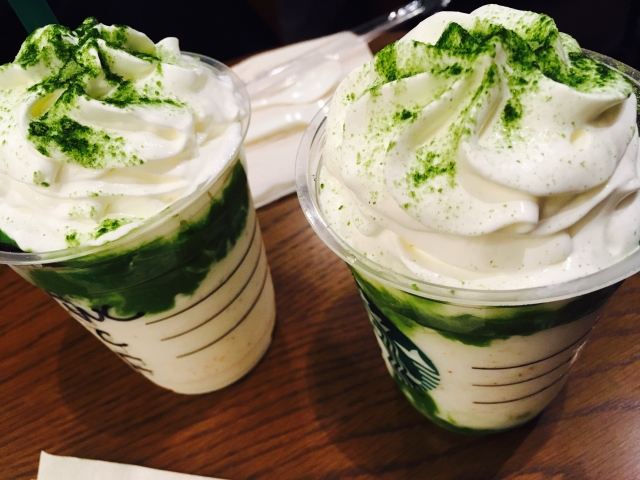
A Grande (16 oz / 473 ml) Matcha Latte at Starbucks contains approximately 80 mg of caffeine.
Note: Starbucks uses a pre-sweetened matcha blend. This means you are consuming sugar along with your caffeine.
Dunkin’ Donuts Matcha Latte Caffeine Content
Dunkin’ Donuts also offers a popular version. A medium Matcha Latte at Dunkin’ contains roughly 120 mg of caffeine.
This is significantly higher than a standard cup of home-brewed matcha. The variation usually comes from the amount of powder mix used in the recipe.
Ippodo & Jade Leaf: Caffeine Content Per Gram
If you brew at home, the brand matters.
Does Preparation Affect Matcha Caffeine Levels?
Yes, how you make your drink changes your caffeine intake. The type of powder and the liquid you use play a role.
Culinary vs Ceremonial: Which Has More?
There are generally two grades of matcha:
If you want a strong energy boost, choose Ceremonial Grade.
Learn more about types of matcha here.
Does a Matcha Latte Have Less Caffeine?
Adding milk does not remove caffeine. If you use 1 teaspoon of matcha powder, the caffeine amount stays the same (approx. 70 mg).
However, the milk (dairy or oat milk) might slow down the absorption of caffeine in your stomach. This makes the energy boost feel even gentler than drinking it straight with water.
Is Decaf Matcha Available to Buy?
Yes, decaf matcha exists, but it is rare.
To make matcha decaffeinated, it must undergo a chemical or water process to strip the caffeine. This often removes some healthy antioxidants and flavor. If you are sensitive to caffeine, herbal tea might be a better choice than processed decaf matcha.
How Do L-Theanine and Caffeine Work Together?
This is the secret weapon of matcha. Matcha contains an amino acid called L-Theanine.
L-Theanine promotes relaxation without drowsiness. When combined with caffeine, it creates a state of “calm alertness.”
How Much Matcha is Safe to Drink Daily?
According to the FDA, healthy adults can safely consume up to 400 mg of caffeine per day.
Since one cup of matcha has about 70 mg, you can safely drink 3 to 5 cups a day. However, most people find 1 or 2 cups are perfect for sustaining energy.
Can You Drink Matcha While Pregnant?
Many doctors suggest limiting caffeine to 200 mg per day during pregnancy.
Unlock Sustained Focus and Calm with Organic Matcha
Understanding the Matcha Caffeine Content Guide helps you make smarter choices for your morning routine. Matcha offers a cleaner, longer-lasting energy compared to the spike-and-crash of coffee. It is the perfect balance of focus and calm.
Are you ready to experience the difference?
[Shop our Organic Ceremonial Matcha today and start your journey to better energy!]
【Disclaimer】
This statement has not been evaluated by the Food and Drug Administration. This product is not intended to diagnose, treat, cure, or prevent any disease.