Matcha Grades Explained: A Complete Guide to Quality, Types, and Uses


Are you confused by the different labels on matcha tins? You are not alone. By the end of this guide, you will understand matcha grades and know exactly which one to buy. We will help you save money and enjoy the best flavor for your needs.
When you shop for matcha, you will see terms like “Ceremonial” or “Culinary.” These are not just fancy marketing words. They tell you about the tea’s harvest time, flavor, and best uses. Choosing the wrong one can lead to a bitter experience.
Let’s dive into the world of matcha quality so you can shop with confidence.
What Do Matcha Grades Actually Mean? (Understanding the System)
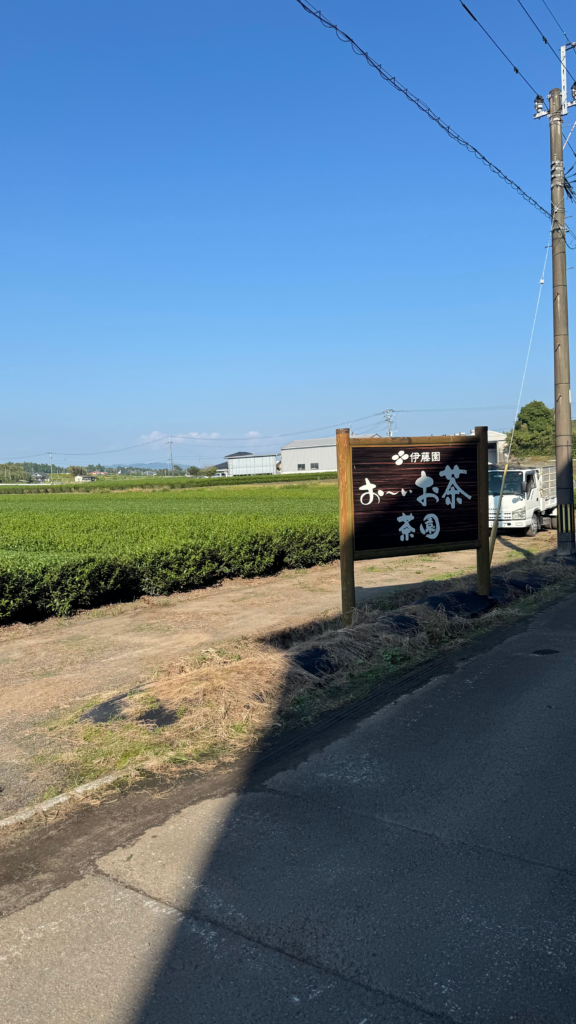
Think of matcha grades as categories for usage, not just a score of “good” or “bad.” The grade depends largely on when the tea leaves are harvested.
The timing changes the chemical makeup of the leaf. Early leaves have more chlorophyll and amino acids (L-theanine). This creates a sweeter, savory taste. Later leaves have more catechins, which taste bitter but are great for baking.
The 3 Main Grades of Matcha: Differences and Best Uses
To simplify your shopping, we categorize matcha into three main types. Here is a quick breakdown.
|
Grade |
Texture |
Color |
Best Use |
|
Ceremonial |
Extremely Fine |
Vibrant Green |
Drinking straight with water |
|
Premium (Latte) |
Fine |
Bright Green |
Lattes, iced tea, frappes |
|
Culinary |
Slightly Gritty |
Dull/Yellowish Green |
Baking, smoothies, and sauces |
Learn more about types of matcha here.
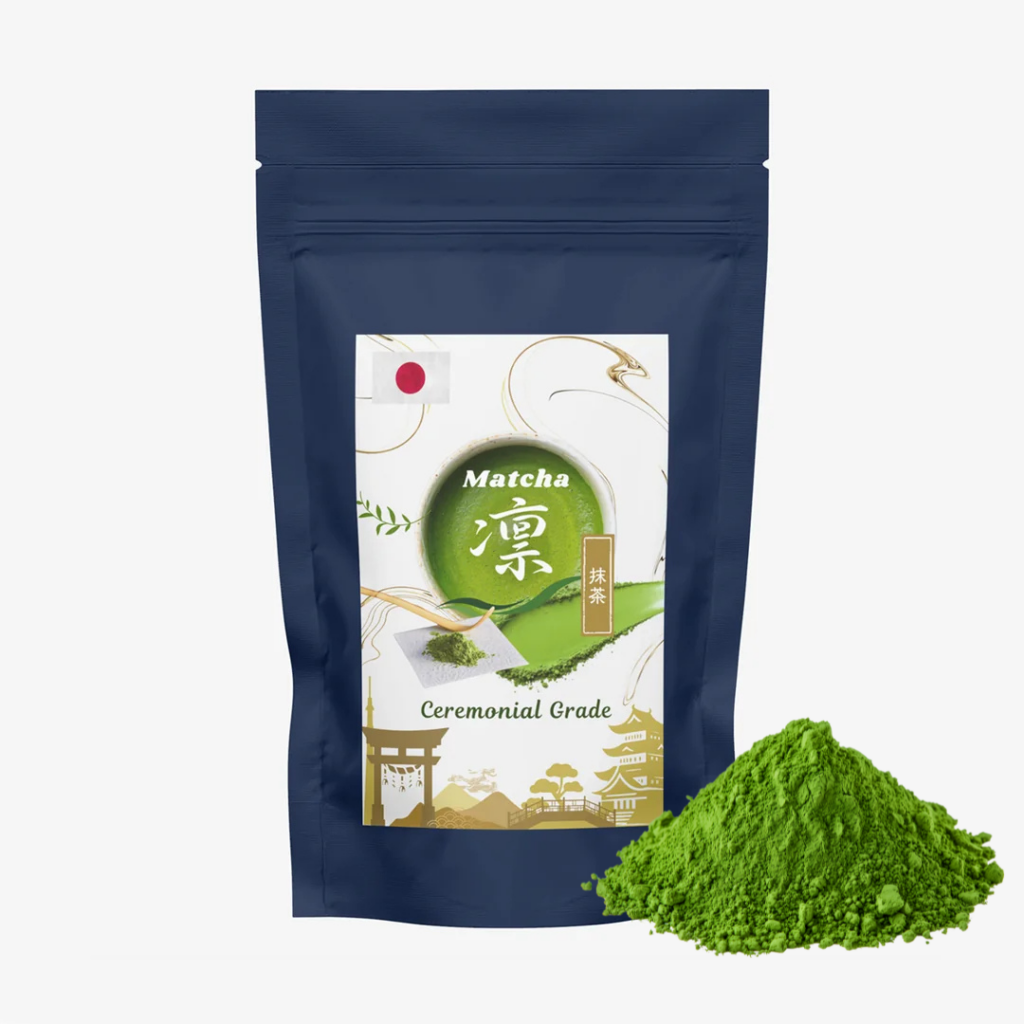
Ceremonial Grade: The Highest Quality for Traditional Tea
This is the highest quality matcha available. Farmers pick these leaves during the very first harvest of the year. The stems and veins are removed carefully.
The powder feels like baby powder between your fingers. The taste is delicate, naturally sweet, and savory. We call this savory taste “Umami.” You should drink this mixed only with hot water.
Premium (Latte) Grade: The Perfect Balance for Daily Drinking
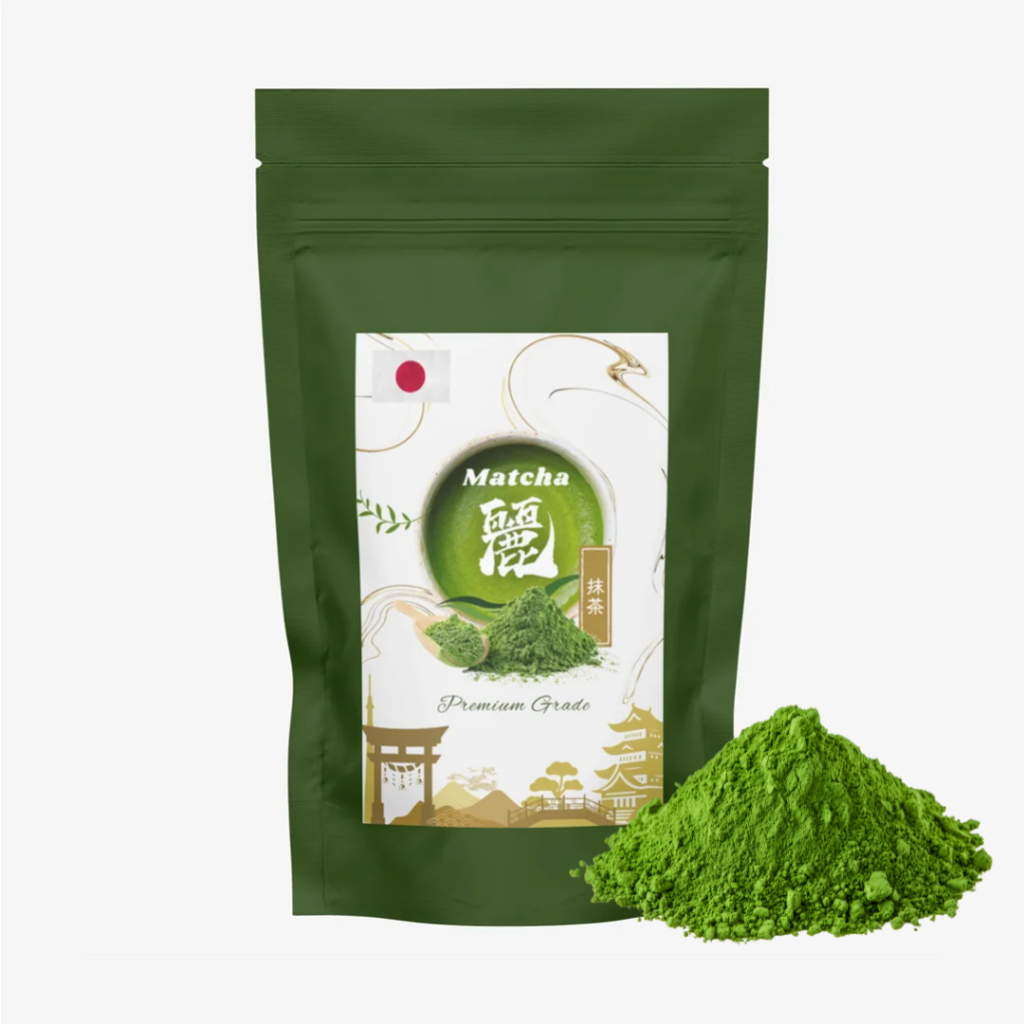
This grade sits between ceremonial and culinary. It is often a blend of first and second-harvest leaves. It is strong enough to shine through milk but smooth enough to drink alone.
If you love morning matcha lattes with oat milk or almond milk, this is your best choice. It offers great value and a robust green tea flavor without intense bitterness.
Culinary (Cooking) Grade: Bold Flavor for Baking and Smoothies
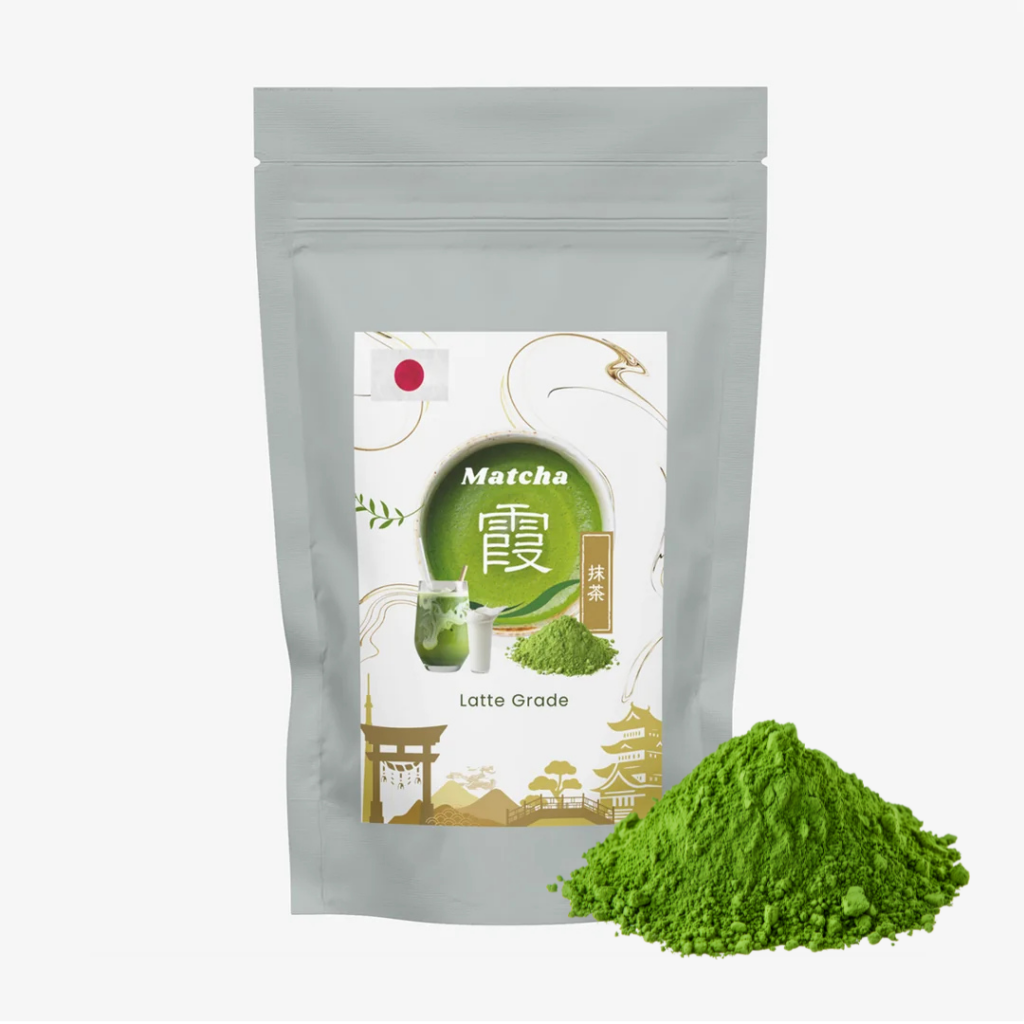
Culinary grade comes from leaves harvested later in the season. It has a stronger, more astringent flavor profile. This might sound bad, but it serves a specific purpose.
When you bake a cake or make a smoothie, you mix matcha with sugar, flour, or milk. A delicate ceremonial matcha would get lost in those ingredients. You need the bold, punchy flavor of culinary matcha to taste the tea.
Ceremonial vs. Culinary Matcha: What is the Real Difference?
The biggest difference is how you intend to consume it.
Using ceremonial matcha for baking is a waste of money because the oven heat destroys its delicate notes. Conversely, drinking culinary matcha straight as tea will likely taste too bitter and grassy.
Note
According to health sources, both grades offer antioxidants, but ceremonial grades generally contain higher levels of L-theanine due to the shading process.
How to Identify High-Quality Matcha: 4 Key Indicators
How do you know if a tin of matcha is actually good? Look for these four signs of matcha quality.
Color Check: Why Vibrant Green Indicates Freshness
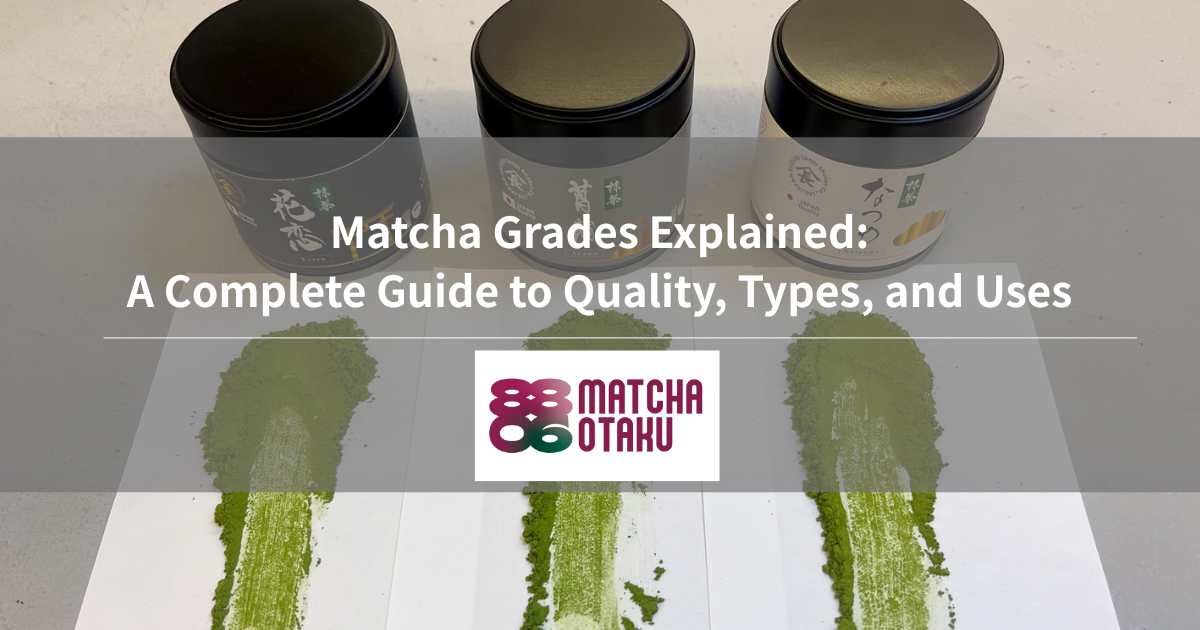
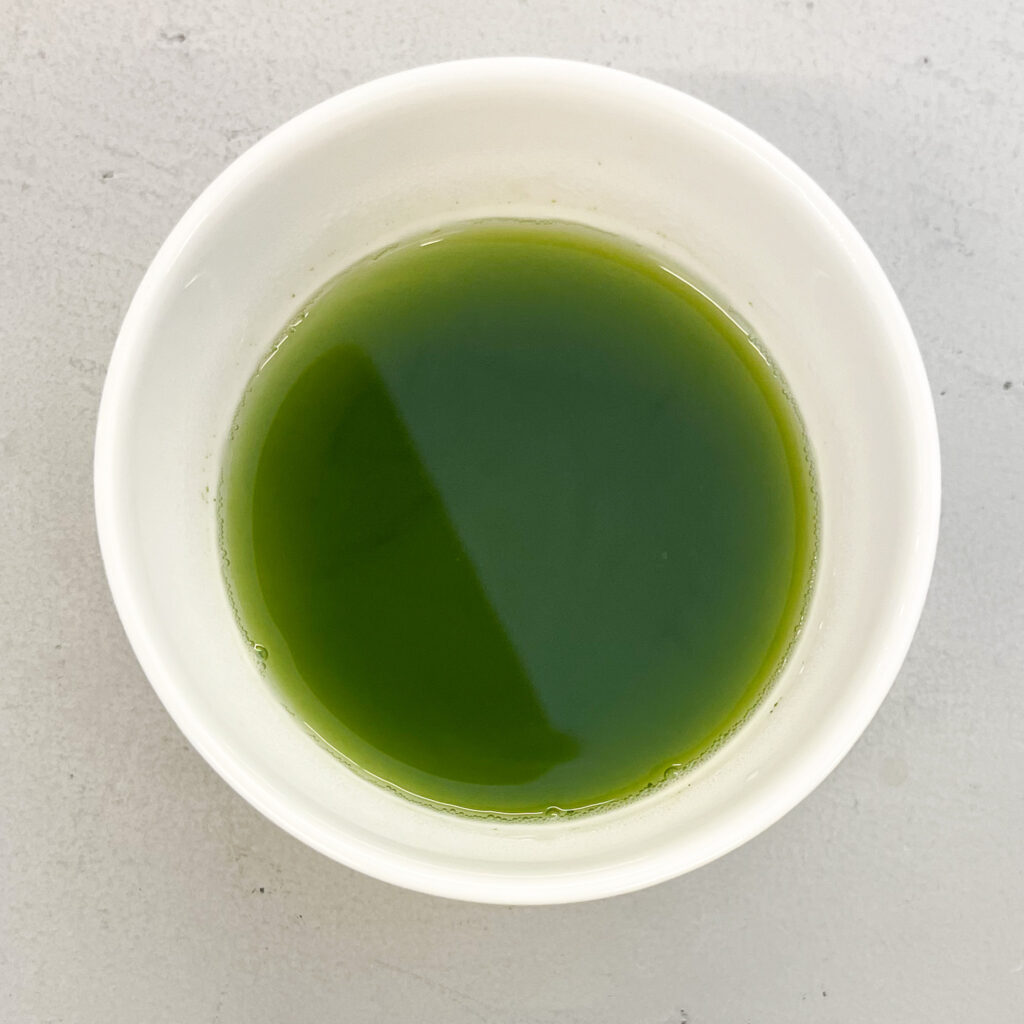
Color is the easiest way to judge quality. High-grade matcha is a shocking, electric green. This comes from high chlorophyll levels developed when the tea plants are shaded before harvest.
If the powder looks yellowish or brownish-green, it is likely lower quality or old. Oxygen and light are the enemies of matcha.
Texture Test: Silky Fine Powder vs. Gritty Feel
Take a pinch of powder and rub it on a piece of white paper.
The finest matcha is stone-ground slowly. This process creates microscopic particles that dissolve easily in water.
Origin Matters: Why You Should Choose Matcha from Japan
Real matcha comes from Japan. While specific regions are famous for their history, it is helpful to understand where your tea actually comes from. The major tea-producing regions by volume include Kagoshima, Kyoto, Shizuoka, and Aichi.
Always check the label for the origin. Authentic Japanese matcha will be transparent about its region.
Taste Profile: Looking for Umami and minimal Bitterness
Good matcha should not make your face pucker. It should have a balance of sweetness and earthiness. The famous “Umami” flavor resembles seaweed or broth.
If your matcha tastes extremely bitter or harsh, it is likely a lower grade or was brewed with water that was too hot.
Summary: How to Choose the Right Grade for Your Needs
Choosing the right grade is easy when you know your goal.
Don’t overspend on ceremonial tea for cookies, and don’t suffer through culinary tea for your morning ceremony.
FAQ: Common Questions About Matcha Quality and Grades
For more information on the health benefits of green tea, you can visit the NCCIH website.
【Disclaimer】
This statement has not been evaluated by the Food and Drug Administration. This product is not intended to diagnose, treat, cure, or prevent any disease.