Ceremonial vs. Culinary Matcha: What Is the Real Difference & Which Should You Buy?


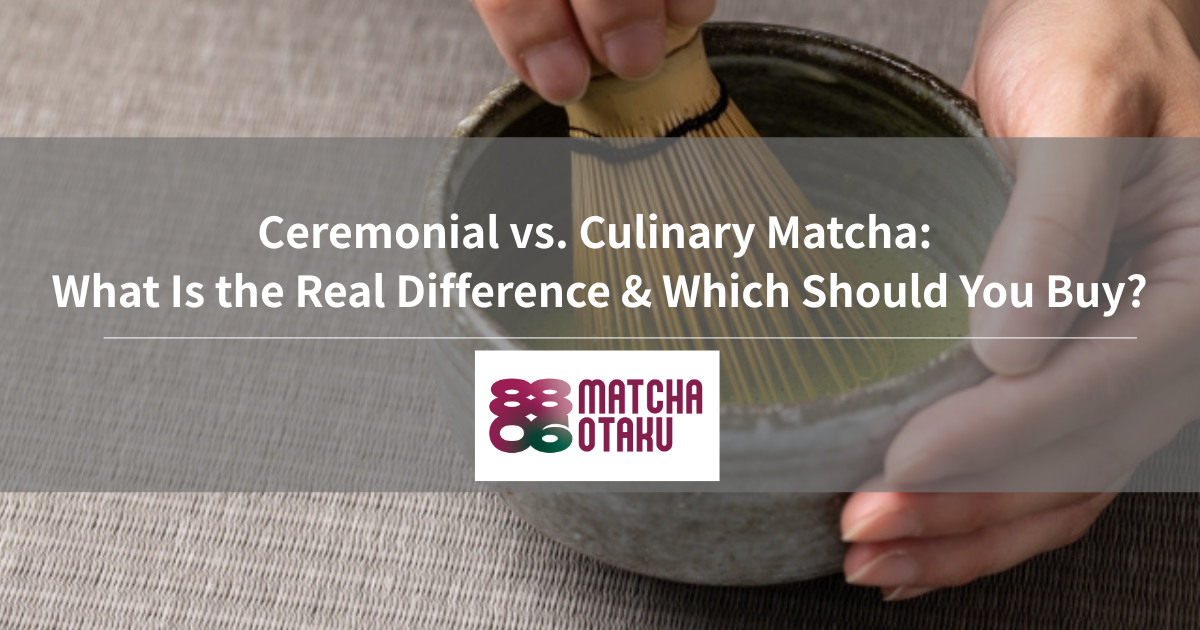
Are you confused by the different labels on matcha tins? You are not alone. The main difference between ceremonial and culinary matcha is how you plan to use it. If you want to drink it simply with water, choose ceremonial; if you are making lattes or cookies, culinary is your best choice.
This guide explores the specific differences in taste, color, and price to help you pick the perfect green tea powder.
Ceremonial vs. Culinary Matcha: The Key Differences Explained
Matcha is not just one standard product. The difference usually comes down to when the tea leaves are harvested. To pick the right one, you need to understand where they come from and how they are processed.
What Is Ceremonial Grade Matcha?
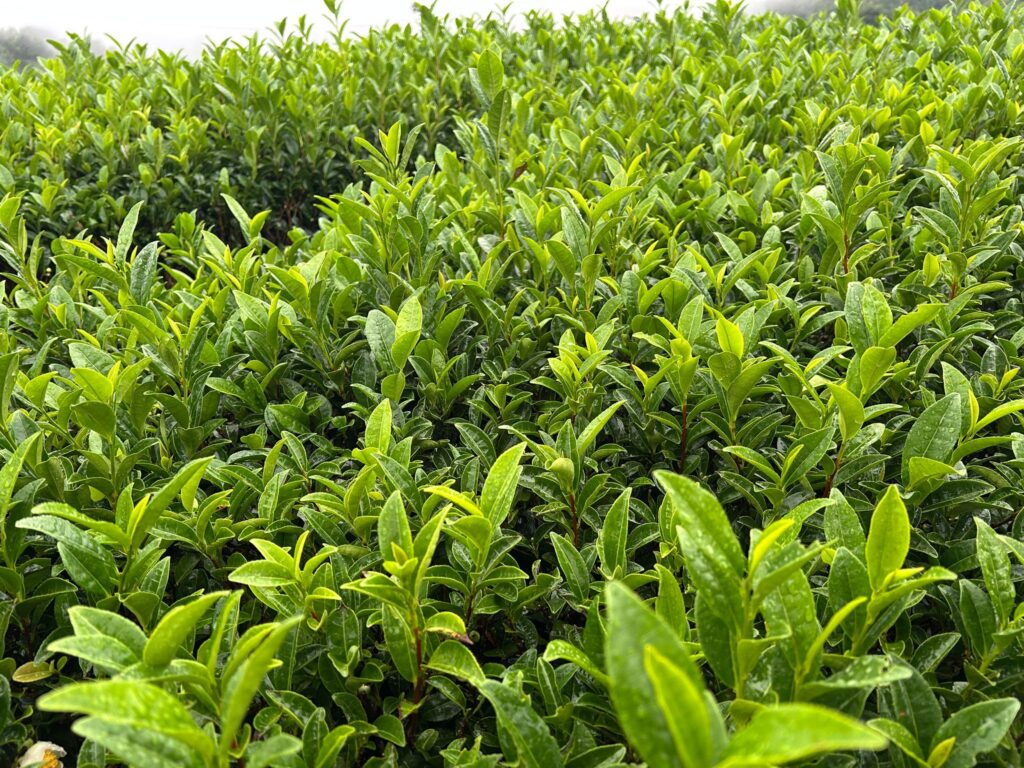
Ceremonial-grade matcha is the highest quality tea powder available. Farmers harvest these leaves during the very first harvest of the spring (Ichibancha). They pick only the youngest, tenderest leaves at the top of the tea plant.
Because the leaves are so young, they have a naturally sweet and savory flavor known as umami. The texture is incredibly fine, like baby powder. This grade is designed to be whisked with hot water and consumed on its own, without any added sugar or milk.
What Is Culinary Grade Matcha?
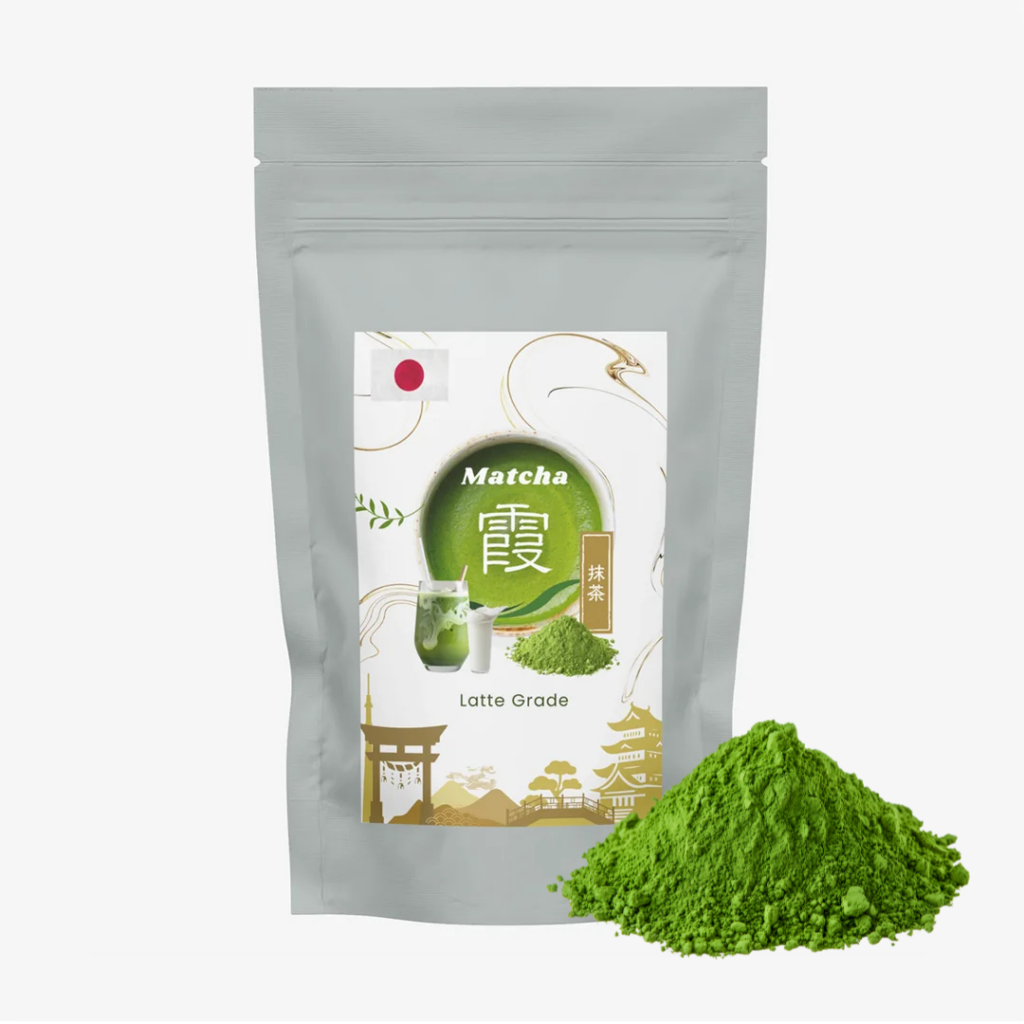
Culinary-grade matcha is made from tea leaves harvested later in the season (summer or autumn). These leaves have been exposed to more sunlight, which changes their chemical structure.
As a result, culinary matcha has a more robust, astringent (bitter) flavor profile. This is not a bad thing. In fact, this strong flavor is necessary to shine through other ingredients like milk, flour, or sugar. It is the workhorse of the matcha world.
Learn more about types of matcha here.
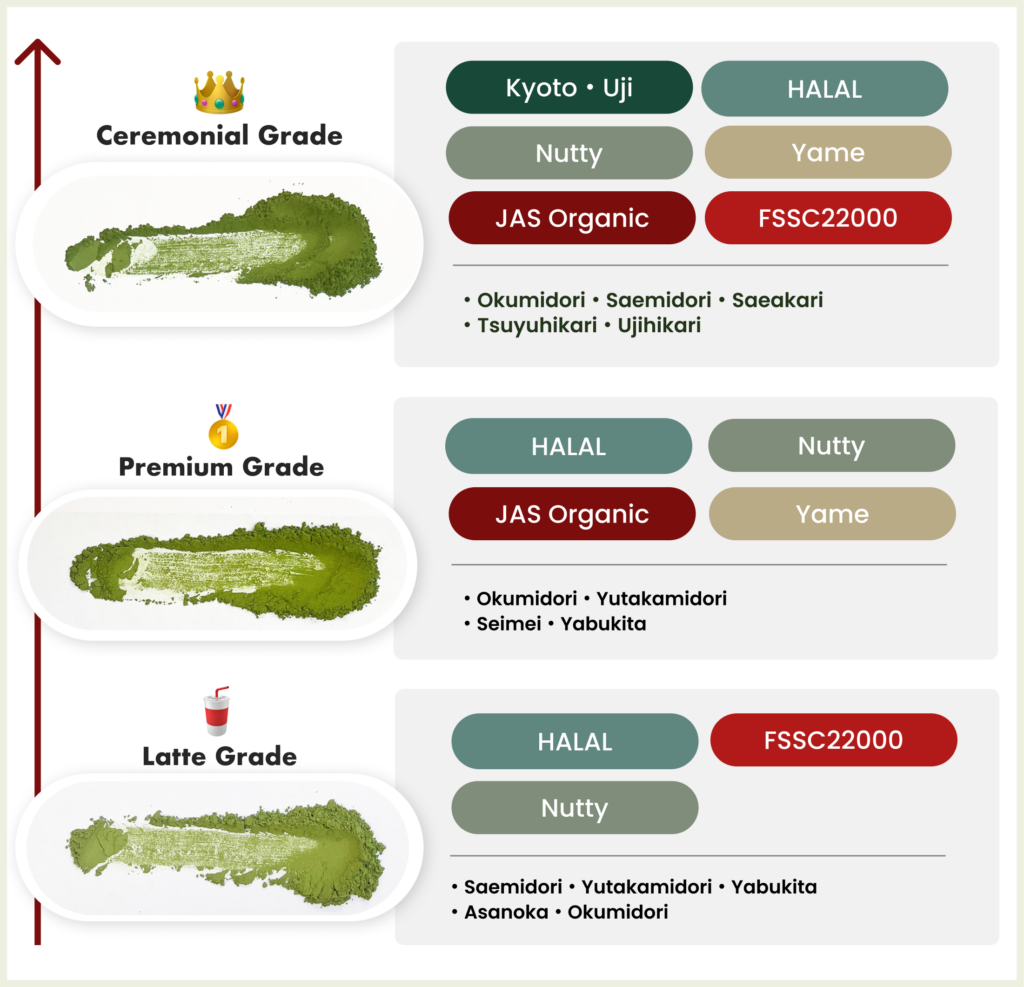
Comparison Table: Color, Taste, and Texture
Here is a quick breakdown to help you spot the difference immediately.
|
Feature |
Ceremonial Grade |
Culinary Grade |
|
Color |
Vibrant, electric green |
Dull or yellowish olive green |
|
Taste |
Delicate, sweet, savory (umami) |
Robust, bitter, grassy |
|
Texture |
Very fine and silky |
Slightly coarser |
|
Best Use |
Drinking plain water |
Baking, smoothies, lattes |
|
Price |
Expensive ($$-$$$) |
Affordable ($) |
Buying Guide: Which Grade Is Best for Your Needs?
Choosing the right grade depends entirely on your recipe. Using the wrong type can either waste your money or result in a bitter drink.
Best for Traditional Tea (Usucha): Ceremonial Grade
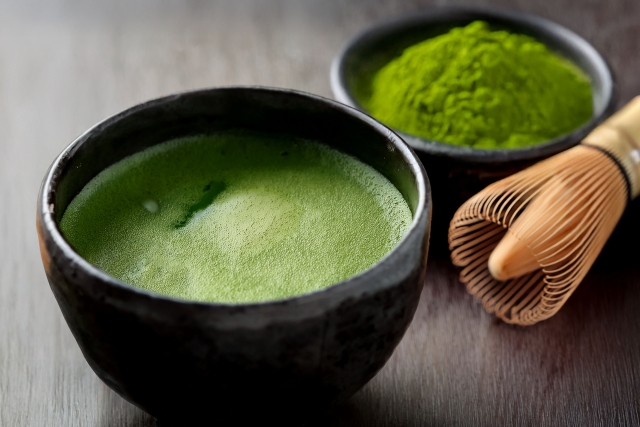
If you plan to prepare matcha the traditional Japanese way, you must use ceremonial grade. In Japan, we call this thin tea Usucha.
Because you mix the powder only with hot water, there is nowhere for bitterness to hide. A high-quality ceremonial matcha provides a smooth, creamy foam and a rich flavor without needing sweeteners.
- Look for: “First Harvest” or “Finely milled” on the label.
- Avoid: Any powder that looks brownish or smells like stale hay.
Ceremonial vs. Culinary Matcha for Lattes: The Verdict
This is the most common question we get. For a matcha latte, the answer depends on your preference for sweetness.
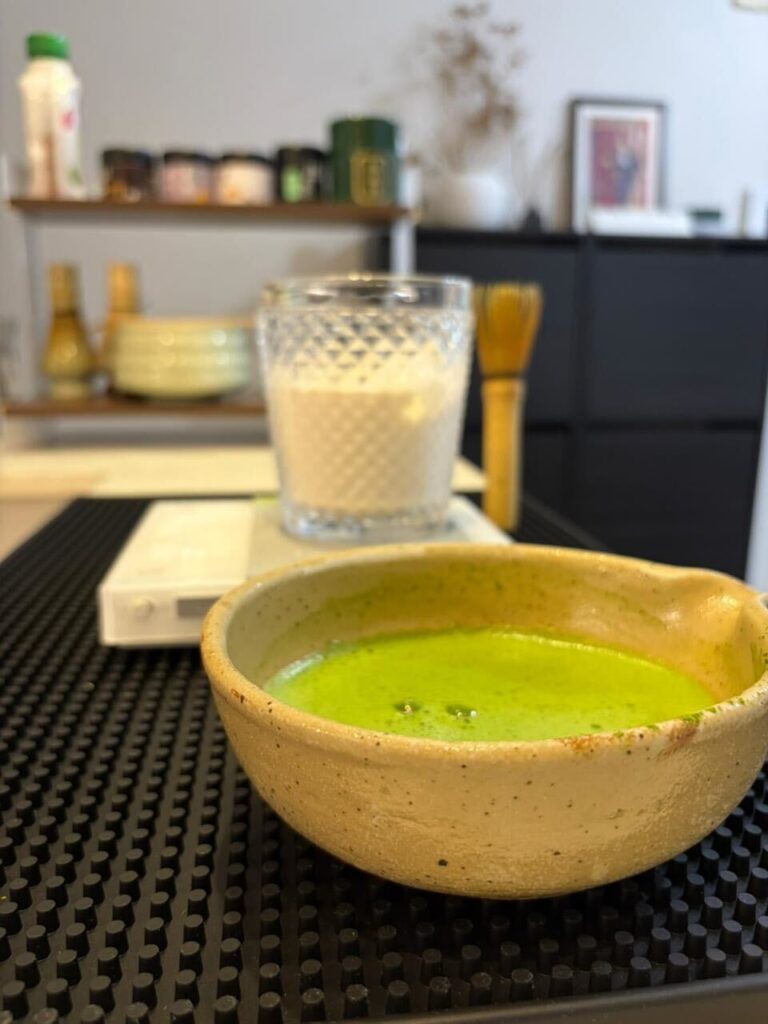
- For pure lattes (minimal sugar): We recommend a lower-end ceremonial grade or a “premium” culinary grade. It keeps the drink smooth.
- For sweet lattes (Starbucks style): Standard culinary grade is perfect. The sugar and milk balance the bitterness, making the tea flavor pop.
Best for Baking, Smoothies, and Cooking: Culinary Grade
When you bake cookies or blend a smoothie, you expose the tea to high heat or other strong flavors. Culinary grade is the clear winner here for two reasons:
- Flavor Strength: Its bitterness cuts through butter and sugar.
- Cost: It is much more affordable to use in larger quantities (tsp or tbsp).
Using expensive ceremonial matcha for a cake is generally a waste of money, as the delicate flavor will disappear during baking.
Health Benefits: Is Culinary Matcha as Healthy as Ceremonial?
Many people assume that because culinary matcha is cheaper, it is less healthy. Fortunately, that is not true. Both grades offer significant health benefits.
Antioxidants and Nutritional Value
Both grades come from the Camellia sinensis plant and contain high levels of antioxidants called catechins. The most famous one is EGCG (Epigallocatechin gallate).
According to research, matcha has a high concentration of these antioxidants because you consume the whole leaf. While ceremonial matcha may have slightly higher amino acids (L-theanine), culinary matcha still packs a powerful punch of antioxidants.
- Ceremonial: Higher in L-Theanine (promotes relaxation).
- Culinary: High in Catechins (antioxidants).
(Source: National Institutes of Health – Health Benefits of Green Tea)
Caffeine Content Differences
Generally, ceremonial matcha contains slightly more caffeine than culinary matcha. This is because the younger leaves used in ceremonial grades are richer in caffeine.
However, the difference is often small. Both will provide a steady energy boost without the jittery crash often associated with coffee.
FAQ: Common Questions About Matcha Grades
Conclusion: Choosing the Right Matcha for Your Daily Routine
The “best” matcha is simply the one that fits your purpose. Choose ceremonial vs. culinary matcha based on how you plan to enjoy it.
- Select Ceremonial if you want to enjoy a moment of Zen, sipping pure tea with hot water.
- Select Culinary if you want to boost your morning smoothie, bake delicious treats, or make a sweet latte.
Are you ready to experience the authentic taste of Japan?
【Disclaimer】
This statement has not been evaluated by the Food and Drug Administration. This product is not intended to diagnose, treat, cure, or prevent any disease.