Organic Matcha Benefits: 7 Proven Reasons to Drink It


Are you looking for a clean energy boost without the coffee jitters? Or maybe you want a simple way to improve your daily health? Organic matcha benefits go far beyond just a trendy drink.
In this guide, you will learn why pure organic matcha is a powerhouse for your body. We cover everything from weight loss and focus to safety and caffeine content. By the end, you will know exactly why swapping your morning joe for organic matcha powder is a smart choice.
Quick Summary of Benefits:
What Is Organic Matcha? Pure vs. Regular Guide
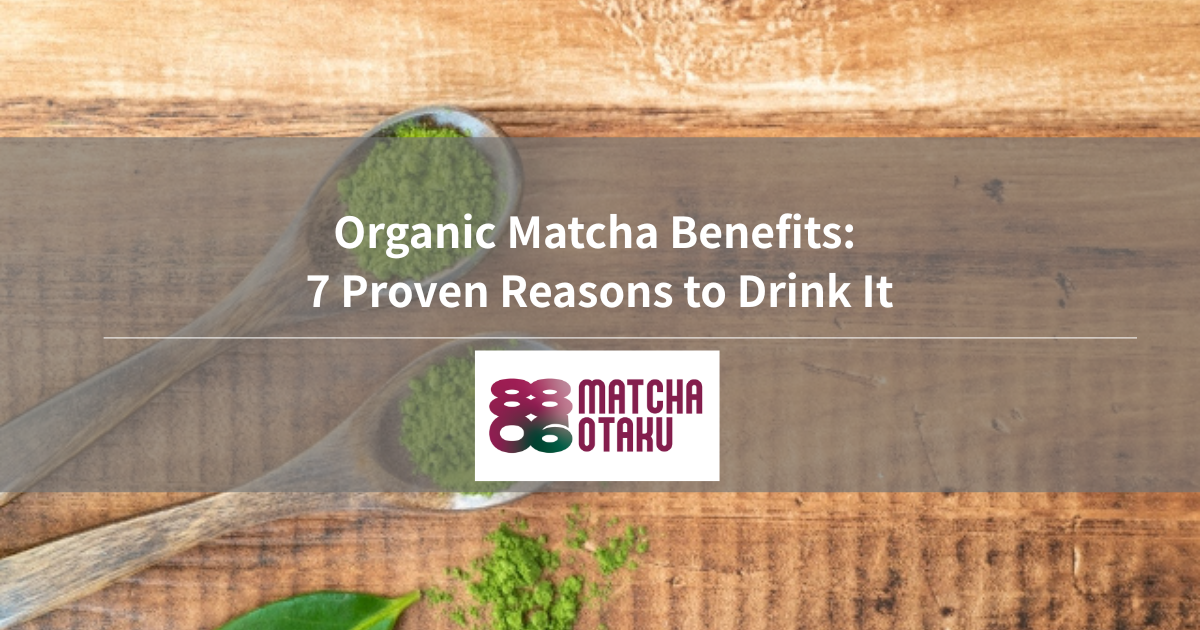
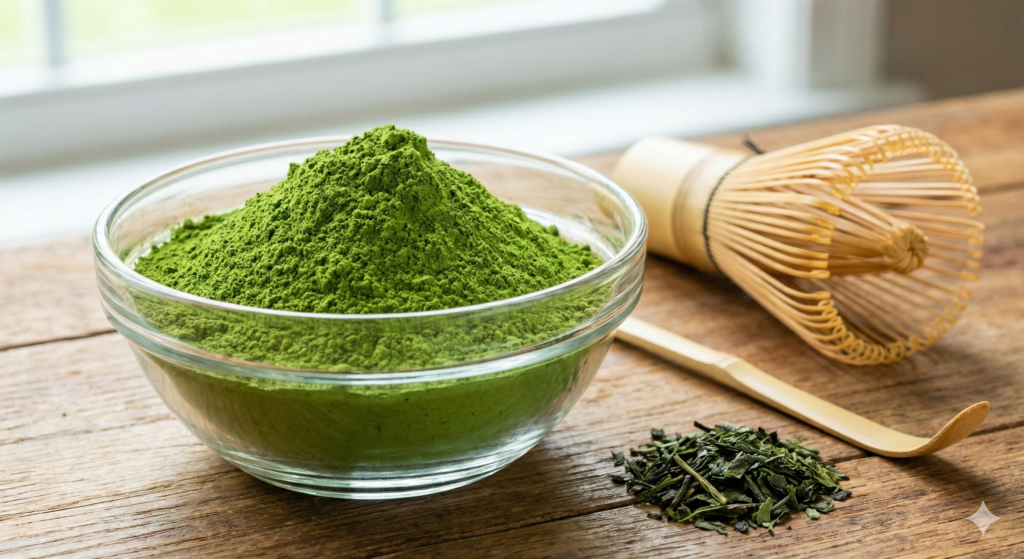
Matcha is a type of green tea made by grinding young tea leaves into a bright green powder. But not all powder is created equal. Understanding the difference between organic and conventional options is key to getting the best flavor and health results.
Pure Organic Matcha vs. Regular: Key Differences
When you buy pure organic matcha, you are buying peace of mind. Conventional matcha farming often relies on synthetic fertilizers to force the leaves to grow faster.
In contrast, organic matcha is grown without synthetic pesticides, herbicides, or chemical fertilizers. The farmers rely on natural ecosystem management. This is crucial because, unlike steeped tea bags, where you throw the leaves away, with matcha, you consume the entire leaf.
Comparison Table: Organic vs. Regular
|
Feature |
Organic Matcha |
Regular (Non-Organic) |
|
Pesticides |
None / Natural |
Synthetic Chemicals |
|
Fertilizers |
Natural Compost |
Chemical Nitrogen |
|
Certifications |
USDA Organic / JAS |
None |
|
Taste Profile |
Clean, Earthy |
Often Stronger, Bitter |
Why Choose 100% Organic Matcha Powder?
Choosing 100% organic matcha powder ensures you aren’t drinking residue from harmful chemicals. Since matcha is a concentrated powder, any impurities in the soil or on the leaf are also concentrated.
By choosing organic, you support sustainable farming practices. It is better for the soil, the water supply, and your body. Plus, many users report a “cleaner” and smoother taste compared to non-organic varieties.

Is Organic Matcha Healthy? 7 Proven Benefits
Yes, absolutely. Because you drink the whole leaf, one cup of matcha has the nutritional equivalent of about 10 cups of brewed green tea. Here is why it is considered a superfood.
Rich in Antioxidants: What Are Catechins?
Matcha is packed with a specific type of antioxidant called catechins. The most powerful one is EGCG (Epigallocatechin Gallate).
Think of antioxidants as your body’s defense team. They fight “free radicals,” which are unstable molecules that can damage your cells and cause aging or disease. Organic matcha has one of the highest antioxidant ratings of any superfood found in nature.
According to health research, catechins may help reduce inflammation and prevent chronic diseases. [Link to External Authority: National Institutes of Health (NIH) on Green Tea Antioxidants]
How L-Theanine Promotes Relaxation?
Have you ever felt “wired but tired” after coffee? Matcha is different. It contains a rare amino acid called L-Theanine.
L-Theanine increases alpha waves in the brain. This puts you in a state of relaxation without making you sleepy. It creates a feeling often described as “calm alertness.” This makes organic matcha perfect for studying or working when you need to focus.
Organic Matcha Nutrition Facts Overview
Matcha is low in calories but high in nutrients. Here is what a typical serving looks like.
Nutrition per 1 tsp (2 grams) Serving:
Does Organic Matcha Have Caffeine? Content Guide
Many people switch to matcha to manage their caffeine intake better. It does contain caffeine, but it works differently from other caffeinated drinks.
Organic Matcha Caffeine Content vs. Coffee
A standard cup of matcha has less caffeine than a standard cup of coffee, but more than regular steeped tea.
This moderate amount makes it a great middle ground. You get the wake-up call, but it is not overwhelming.
Why Matcha Gives Energy Without the Crash?
The magic lies in the combination of Caffeine and L-Theanine.
In coffee, caffeine hits your bloodstream quickly. This causes a spike in energy, followed by a sudden drop (the crash). In organic matcha, L-Theanine slows down the body’s absorption of caffeine.
This results in a steady flow of energy that can last for 4 to 6 hours. There are no jitters, no racing heart, and no afternoon slump.
Organic Matcha for Weight Loss: Does It Work?
Weight loss is one of the most popular reasons people start drinking matcha. While it is not a magic pill, it can be a powerful tool in your diet.
Learn more about matcha for weight loss.
How Organic Matcha Boosts Metabolism?
Studies suggest that green tea extract can increase thermogenesis. This is the body’s rate of burning calories. The EGCG in matcha can help boost your metabolism during moderate exercise.
Essentially, it helps your body use fat as a fuel source more efficiently. Replacing sugary sodas or creamy lattes with organic matcha also cuts out hundreds of empty calories.
Best Time to Drink Matcha for Weight Loss
To maximize the fat-burning potential, try drinking your matcha before you move.
Avoid drinking it late at night, as the caffeine might disrupt your sleep schedule.

Is Organic Matcha Safe? Daily Limits & Risks
For most healthy adults, matcha is very safe. However, quality matters immensely when it comes to safety.
Are There Heavy Metals in Organic Matcha?
Tea plants act like sponges; they absorb everything from the soil, including heavy metals like lead or arsenic. This is a common concern with teas grown in polluted industrial areas.
This is why choosing high-quality organic matcha, preferably from Japan, is vital. Reputable brands test their soil and products to ensure they meet strict safety standards. By buying organic, you also avoid synthetic chemical residues that can be harmful over time.
How Much Organic Matcha Is Safe Daily?
While matcha is healthy, “more” is not always better. Because of the caffeine content, moderation is key.
Recommended Daily Intake:
Conclusion: Start Your Organic Matcha Routine
Incorporating organic matcha into your life is a simple change with huge rewards. From the calm energy boost of L-Theanine to the cell-protecting power of catechins, the benefits are clear.
You don’t need fancy equipment to start. Just a spoon, some hot water, and high-quality powder are all it takes to upgrade your health.
Ready to feel the difference?
【Disclaimer】
This statement has not been evaluated by the Food and Drug Administration. This product is not intended to diagnose, treat, cure, or prevent any disease.