Does Matcha Make You Poop? The Truth About Digestion



Does matcha make you poop? The short answer is yes.
If you have noticed a sudden urge to go to the bathroom after your morning cup, do not worry. This is a very common reaction. In fact, it is usually a sign that your matcha is high quality and working correctly.
Matcha is rich in fiber, caffeine, and antioxidants. These elements work together to get your digestion moving.
In this article, we will explain:
- Why matcha makes you go to the bathroom.
- The reason behind green stools.
- How to drink it without upsetting your stomach.
Let’s dive into the science of your digestion.
Does Matcha Make You Poop? The Science Behind Why It Happens
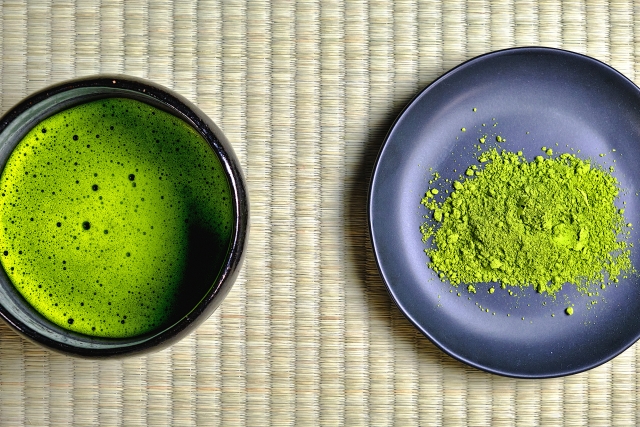
Many people switch from coffee to matcha for a smoother energy boost. However, they are often surprised by the laxative effect.
Why does this happen? It isn’t magic. It is biology. Your body reacts to specific compounds found in the tea leaves.
Yes, It Does: How Caffeine, Antioxidants, and Fiber Affect Your Bowel Movements
There are three main reasons why matcha sends you to the restroom.
- Caffeine: Like coffee, matcha contains caffeine. Caffeine stimulates the muscles in your colon. This causes them to contract and push waste out.
- Dietary Fiber: Unlike steeped green tea, you consume the whole leaf with matcha. This provides dietary fiber, which helps move food through your gut.
- Antioxidants (Catechins): Matcha is famous for EGCG (a type of antioxidant). Studies suggest these compounds promote a healthy gut microbiome.
Note: Because you are drinking the actual leaf powder, the effect can be stronger than regular tea.

Timing and Frequency: How Fast Does Matcha Make You Poop and Will It Be A Lot?
You might be wondering, “How fast does matcha make you poop?”
For most people, the urge hits about 30 to 60 minutes after drinking it.
Does matcha make you poop a lot? Generally, no. It usually promotes one healthy movement rather than frequent trips. However, if you drink it on an empty stomach, the reaction might happen faster.

Why Is My Poop Green? Understanding the “Matcha Green Stool” Phenomenon
You went to the bathroom, and you saw something shocking: green poop.
Is this normal? Yes, absolutely. This is often called “Matcha Green Stool,” and it is usually harmless.
Is Green Poop from Matcha Dangerous? The Role of Chlorophyll Explained
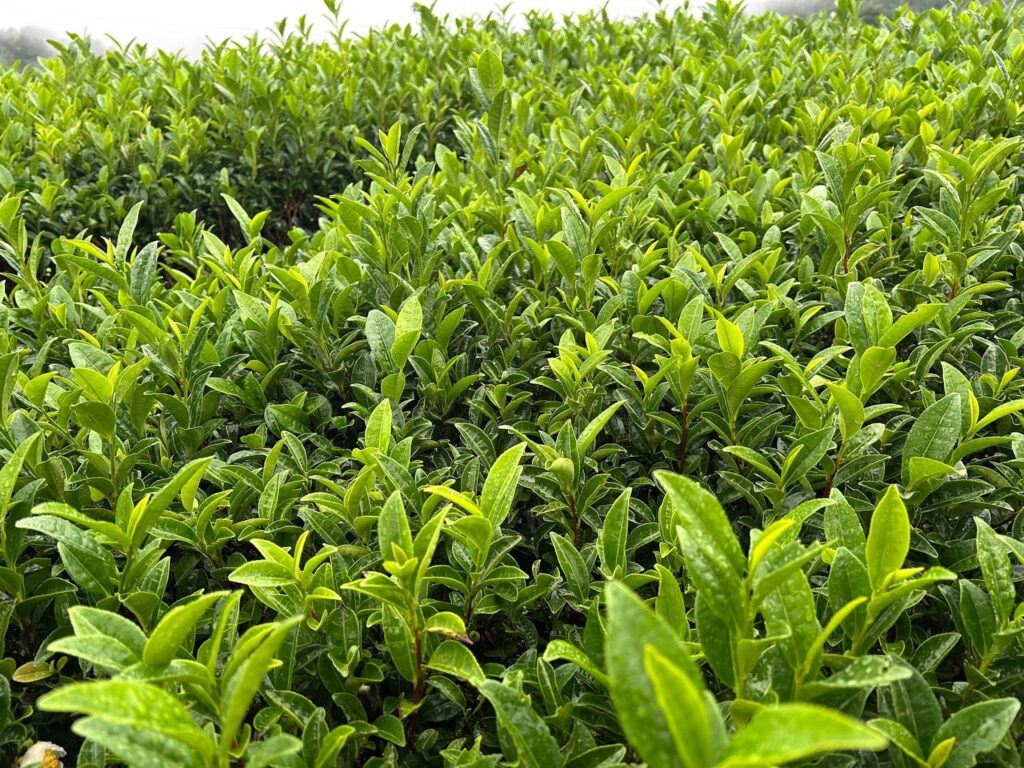
Green poop happens because of chlorophyll.
Chlorophyll is the natural pigment that makes plants green. High-quality matcha is shade-grown, which boosts chlorophyll levels significantly.
When you drink a lot of matcha, your body cannot absorb all the pigment. The excess chlorophyll passes through your system and tints your stool green.
- It is not dangerous.
- It is a sign you are drinking real, potent matcha.
- The color usually returns to normal within 24 hours.
If you experience pain or bleeding, consult a doctor. But if it’s just color, it’s likely just the tea.

Does Matcha Make Your Poop Smell? The Impact on Odor and Gut Health
Does matcha make your poop smell bad? Actually, it should do the opposite.
Chlorophyll acts as a natural internal deodorizer. Many people find that their body odor and bathroom smells improve over time.
However, if your stool smells very bad, consider what you added to the drink.
- Dairy Milk: Lactose intolerance is a common cause of foul smells.
- Sugar: Too much sugar can upset gut bacteria.
Try drinking our Premium Matcha with water or oat milk to see if the odor improves.

Matcha vs. Coffee: Which Drink Makes You Poop More and Why?
Coffee is famous for making people run to the bathroom.
But how does matcha compare?
The Caffeine Kick: Does Matcha Have the Same Laxative Effect as Coffee?
Coffee usually works faster and more aggressively. This is because coffee has more acid and releases caffeine instantly.
Matcha provides a different experience:
- Coffee: Sudden, urgent need to go.
- Matcha: A gentler, more predictable urge.
If coffee gives you the “jitters” or stomach cramps, matcha is a great alternative.
Why Matcha May Be Gentler on Your Stomach and Digestion Than Coffee
Matcha contains L-Theanine, an amino acid that promotes relaxation.
L-Theanine works with caffeine to release energy slowly over 4 to 6 hours. This slow release prevents the sudden shock to your digestive system.
Comparison: Matcha vs. Coffee for Digestion
| Feature | Coffee | Matcha |
| Acidity | High (can irritate the stomach) | Low (gentle on stomach) |
| Caffeine Release | Rapid spike | Slow, sustained release |
| Fiber Content | None | Contains fiber |
| Effect on Gut | Often urgent/harsh | Stimulating but steady |
Learn more about types of matcha here.
Potential Side Effects: Does Matcha Cause Diarrhea, Gas, or Bloating?
While matcha is healthy, some people experience stomach issues. Let’s look at why this happens.
Can Drinking Too Much Matcha Give You Diarrhea? (Caffeine & Tannins)
Does matcha cause diarrhea? It can, especially if you drink too much.
Matcha contains tannins. Tannins can irritate the stomach lining if you drink tea on an empty stomach. Combined with caffeine, this can lead to loose stools or nausea.
To avoid this:
- Don’t drink it first thing in the morning on an empty stomach.
- Have it with breakfast or a small snack.
Bloating and Gas Issues: Is It the Matcha, the Milk, or an IBS Trigger?
Does matcha make you gassy or bloated?
Pure matcha rarely causes gas. If you feel bloated, check your additives.
- Dairy: Cow’s milk is a major cause of bloating.
- Sweeteners: Artificial sweeteners can cause gas.
If you have Irritable Bowel Syndrome (IBS), caffeine can be a trigger. However, many IBS patients tolerate matcha better than coffee due to its lower acidity.
Health Benefits Beyond the Bathroom: Weight Loss, Detox, and Metabolism
Matcha does more than just help you poop. It is a powerhouse for your entire body.
Does Matcha Help You Lose Weight? Metabolism Boosting Properties
Many studies show that green tea extract can help burn fat.
Matcha boosts thermogenesis. This is the rate at which your body burns calories.
- It can increase calorie burning during exercise.
- It may help reduce belly fat over time.
According to research cited by health sources like Healthline, green tea compounds boost metabolism effectively.
The Truth About Matcha Detox Effects and Body Cleansing
“Detox” is a buzzword, but matcha supports your liver.
The chlorophyll and antioxidants in matcha help your liver eliminate toxins from the body. Regular bowel movements are also a crucial part of the body’s natural detoxification process. By keeping you regular, matcha helps cleanse your system naturally.
How to Drink Matcha Without Upsetting Your Stomach or Causing Diarrhea
You want the benefits without the stomachache. Here is how to drink it safely.
Recommended Daily Dosage: How Much Matcha Can You Drink Per Day?
Moderation is key.
- Standard Serving: 1 tsp (about 2 grams).
- Safe Limit: 1 to 2 cups per day.
Drinking more than 3 cups may lead to caffeine overload or stomach acidity issues.
Best Timing & Choosing the Right Powder (Pure Matcha vs. Starbucks Latte)
When and what you drink matters.
- Timing: Drink matcha after a meal, not before. This creates a buffer for your stomach lining.
- Quality: Avoid sugary pre-mixed powders. They often contain little real tea and lots of chemicals.
- Source: Choose pure, ceremonial, or culinary grade matcha from Japan.

The Verdict: Why Your Gut Will Thank You for Switching to Matcha
So, does matcha make you poop? Yes, and that is a good thing.
It keeps you regular, supports detox, and boosts your metabolism. While green poop might look strange, it is simply a sign of high chlorophyll content. Compared to coffee, matcha offers a gentler, healthier way to wake up your digestive system.
Ready to improve your gut health and energy?
Stop relying on harsh coffee. Switch to a smoother, healthier energy source today.
【Disclaimer】
This statement has not been evaluated by the Food and Drug Administration. This product is not intended to diagnose, treat, cure, or prevent any disease.