Matcha vs Coffee: Which One Is Healthier for You?


Do you feel tired even after your morning cup? You might be wondering if there is a better way to wake up. This guide compares Matcha vs Coffee to help you choose the best fuel for your body.
Coffee is the most popular drink in America. However, matcha green tea is quickly becoming a favorite alternative. Both drinks give you energy, but they work in very different ways.
In this article, we look at the pros and cons of each. We will explore caffeine content, health benefits, and cost. Let’s find out which drink wins the battle for your health.
Matcha vs Coffee: Pros & Cons at a Glance
Before we dive deep, here is a quick summary. This table compares the main features of both drinks.
If you want immediate energy, coffee is strong. If you want focus without the crash, matcha is better.
Caffeine & Energy: No More Jitters?
Most people drink these beverages for energy. But the quality of that energy is very different.
How Much Caffeine Is in Matcha vs Coffee?
Coffee generally packs a bigger punch. An average 8 oz (240 ml) cup of brewed coffee has about 95 mg of caffeine.
However, because you consume the whole tea leaf with matcha, the effect lasts longer. You get a steady stream of energy rather than a sudden hit.
Learn more about matcha caffeine content.
Why Does Coffee Cause a Mid-Day Crash?
Have you ever felt exhausted by 2 PM? This is called a caffeine crash. Coffee spikes your adrenaline quickly. This gives you a rush, but it also spikes your cortisol (stress hormone).
When this wears off, your energy levels drop below baseline. This leaves you feeling tired and irritable.
L-Theanine: The Secret to Calm Energy
Matcha has a secret weapon called L-theanine. This is an amino acid found in green tea plants.
L-theanine promotes relaxation without making you sleepy. It works together with caffeine to create a state of “calm alertness.”
According to studies, this combination helps you stay focused for 4 to 6 hours. Check out our Premium Matcha Powder to experience this focus yourself.
Note
“Amino acids” are the building blocks of proteins that help our bodies function properly.
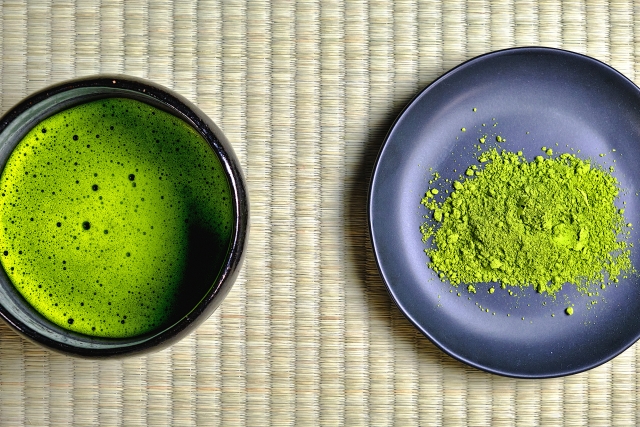
Mental & Physical Health Benefits Compared
Both drinks are healthy, but matcha offers unique advantages for your body and mind.
Can Matcha Help With Anxiety and Focus?
If you suffer from anxiety, coffee might make it worse. High caffeine can trigger your “fight or flight” response. This leads to sweating and a racing heart.
Matcha is different. Because of L-theanine, it actually reduces stress. It boosts alpha waves in the brain, which are linked to mental clarity. This makes matcha a great choice for studying or working.
Acidity & Digestion: Which Is Gentler?
Do you get stomach pain after your morning brew? Coffee is very acidic (pH 4.5–5.0). This can cause acid reflux, heartburn, or an upset stomach.
Matcha is nearly pH-neutral or slightly alkaline. It is much gentler on your digestion.
- It does not irritate the stomach lining.
- It contains fiber because it is a ground plant leaf.
- It promotes healthy gut bacteria.
Weight Loss: Which Drink Burns More Fat?
Both drinks can help with metabolism. However, matcha is famous for its high concentration of EGCG (Epigallocatechin gallate).
EGCG is a powerful antioxidant. Studies suggest it helps the body burn fat more efficiently during exercise. [Link to external study on Green Tea and Metabolism from NIH.gov].
If you are looking for weight loss, swapping a sugary latte for plain matcha is a smart move.
Skin Health & Teeth: Preventing Stains
Coffee is notorious for staining teeth brown. It can also dehydrate your skin, making it look dull.
Matcha contains chlorophyll and catechins. These fight inflammation and bacteria.
- Skin
Antioxidants fight free radicals that cause aging and acne. Learn more about matcha for skin. - Teeth
Matcha prevents the growth of bacteria that cause cavities and bad breath.
However, matcha is green. It can stain teeth slightly if you don’t rinse, but it is less permanent than coffee stains.
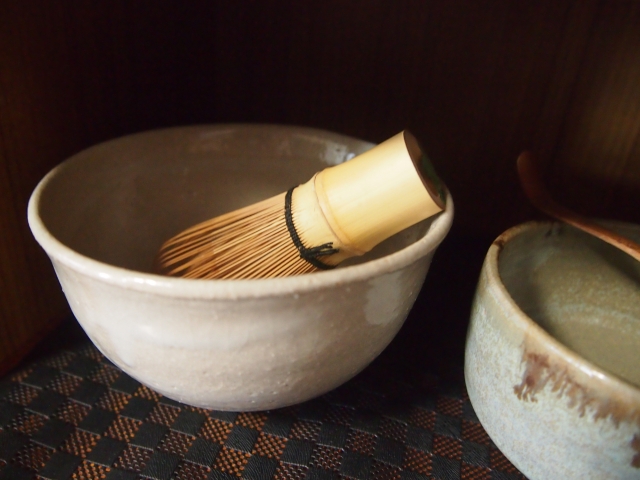
When Should You Drink Matcha vs Coffee?
Timing is everything. Here is how to choose the right drink for the right moment.
Morning or Pre-Workout: Which Is Best?
|
Morning |
If you need to wake up in 5 minutes, coffee works faster. If you want energy to last until lunch, choose matcha. |
|
Pre-Workout |
Coffee gives you a quick power boost for heavy lifting. Matcha is better for endurance sports like running or yoga. It keeps your heart rate steady. |
Is It Safe During Pregnancy & Fasting?
|
Pregnancy |
Doctors usually recommend limiting caffeine to 200 mg per day. Since matcha has less caffeine than coffee, you can safely enjoy a cup or two. Always consult your doctor first. |
|
Fasting |
Black coffee and plain matcha (mixed with water) are both okay. They do not break a fast. Matcha may even help suppress appetite better than coffee. |
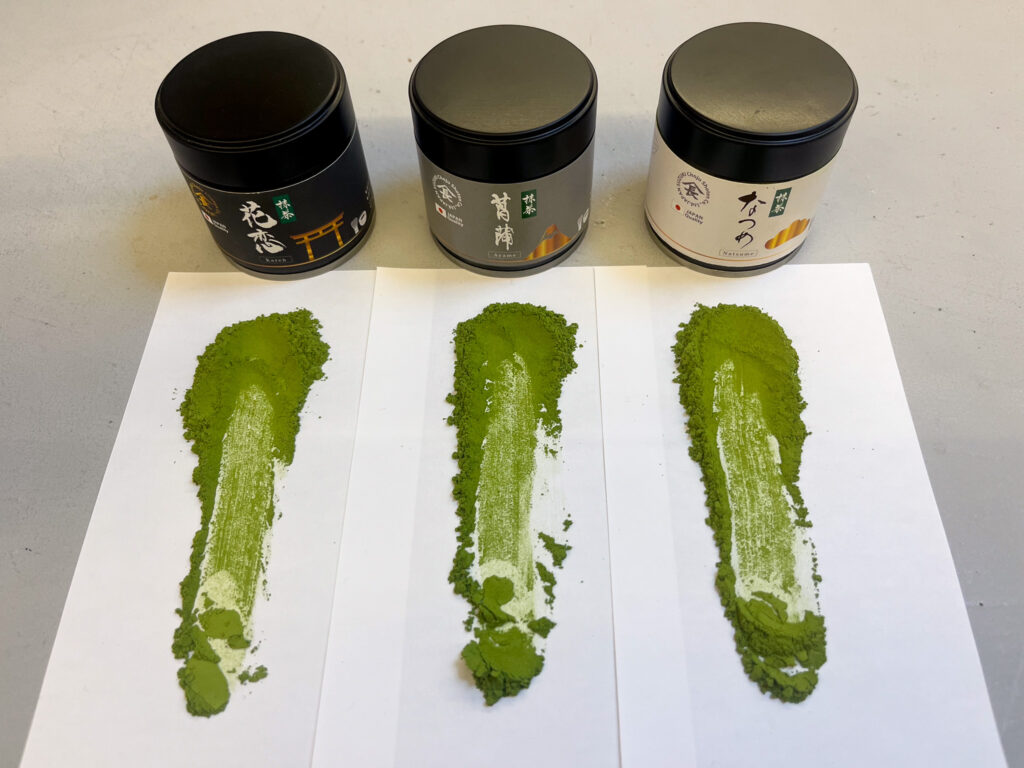
Taste Comparison & Popular Products
Taste is subjective. Let’s look at the flavor profiles.
What Does Matcha Actually Taste Like?
Coffee is roasted, bitter, and acidic. Matcha is steamed and grassy.
High-quality matcha has a savory taste called “umami.” It should smell fresh and vegetal. Lower-quality matcha can be very bitter.
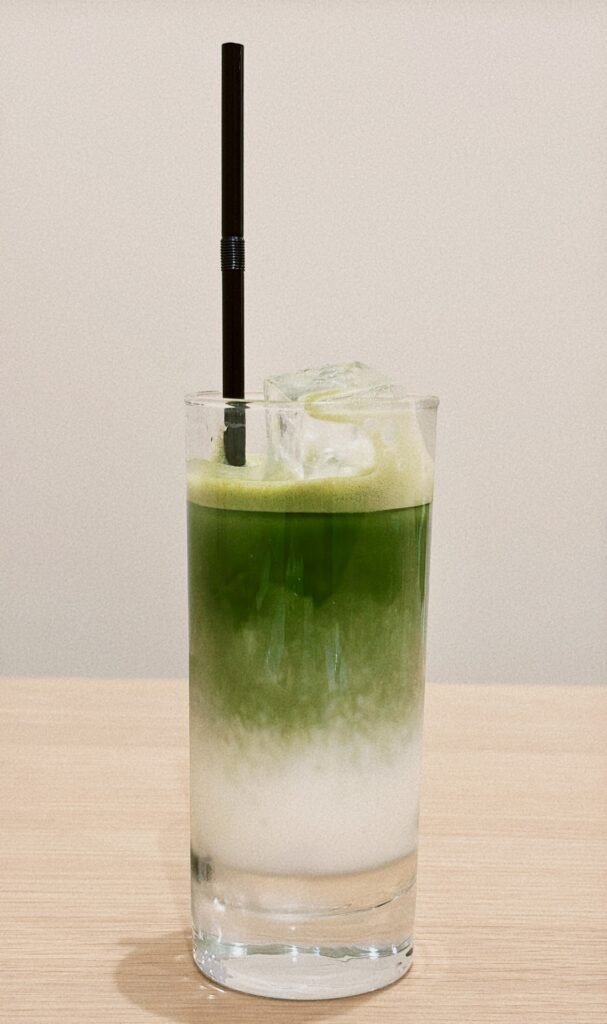
If you don’t like the grassy taste, try a matcha latte with oat milk and a little honey.
Matcha Latte vs Coffee Latte: Calories
Be careful with coffee shop orders. A “Matcha Latte” at a chain like Starbucks often has a lot of sugar.
To keep it healthy, make it at home. Use our [Ceremonial Grade Matcha] and unsweetened almond milk.
Mushroom Coffee vs Matcha: A New Rival?
Recently, “mushroom coffee” (like Ryze) has become popular. It mixes coffee with medicinal mushrooms. It claims to lower acidity.
While good, matcha naturally has antioxidants and L-theanine without adding extra ingredients. Matcha is a single-ingredient whole food.
Cost & Sustainability: Is It Worth It?
Is matcha too expensive? Let’s break down the matcha vs coffee cost.Is matcha too expensive? Let’s break down the matcha vs coffee cost.
Price Per Cup & Environmental Impact
A tin of matcha looks expensive ($20–$30). However, you only use half a teaspoon per cup. One tin can last for weeks. The price per cup is often similar to that of premium coffee beans.
Sustainability
Uses a lot of water to grow. Pods and grounds create waste.
You drink the whole leaf. There are no grounds to throw away. It is a zero-waste drink.
Final Verdict: Should You Switch to Matcha?
So, is matcha better than coffee?
If you want an instant wake-up call and love the roasted flavor, coffee is fine. But if you want sustained energy, better focus, and skin benefits, matcha is the winner.
It is gentle on the stomach and prevents the afternoon crash.
Ready to feel the difference?
Swap your second cup of coffee for matcha today. Your body will thank you.
Shop Our Ceremonial Matcha Here – Start your journey to calm energy!
【Disclaimer】
This statement has not been evaluated by the Food and Drug Administration. This product is not intended to diagnose, treat, cure, or prevent any disease.