The Ultimate Guide to Types of Matcha: Grades & Flavors Explained


Have you ever stood in the tea aisle, feeling completely confused by the different green powders on the shelf? You are certainly not alone. With so many options available today, it is hard to know which one is right for you.
This guide explores the world of Matcha Grades & Flavors, helping you understand the crucial differences between matcha for drinking and for cooking. By the end of this article, you will know exactly which type suits your lifestyle, your taste buds, and your budget.
What is Matcha? How It Differs from Sencha and Hojicha
Matcha is far more than just regular green tea ground into a powder. It is a unique, shade-grown Japanese green tea that is processed very differently from other teas.
When you drink matcha, you are consuming the entire tea leaf suspended in water. This process gives it a vibrant green color and a nutrient profile that standard steeped teas cannot match.
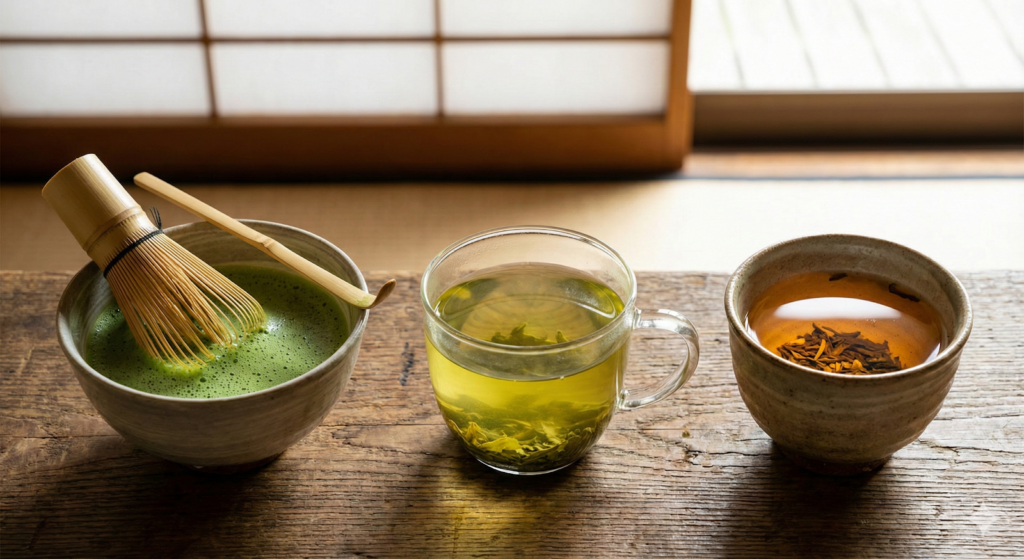
Many people mix up matcha with other common Japanese teas like Sencha or Hojicha.
Sencha is the most common green tea in Japan, but it is grown in full sunlight. You steep the loose leaves in hot water and then discard them before drinking. Hojicha is roasted green tea, known for its brown color and toasted, nutty flavor.
Neither of these offers the same creamy texture or intense “umami” flavor profile that defines authentic matcha.
The Production Process: What Makes Matcha Unique?
The secret to matcha’s distinct flavor and color lies in its careful production process.
About three to four weeks before the harvest, farmers cover the tea plants with special shade cloths. This shading process blocks out most of the sunlight.
As a result, the plants struggle to find light and compensate by overproducing chlorophyll. This shading process is what turns the leaves a deep, dark green.
After the farmers harvest these shade-grown leaves, they steam them immediately to stop fermentation. This steaming step locks in the fresh, grassy flavor and the vivid green color.
Next, producers remove all the tough stems and veins, leaving only the soft leaf meat, which is called “Tencha.”
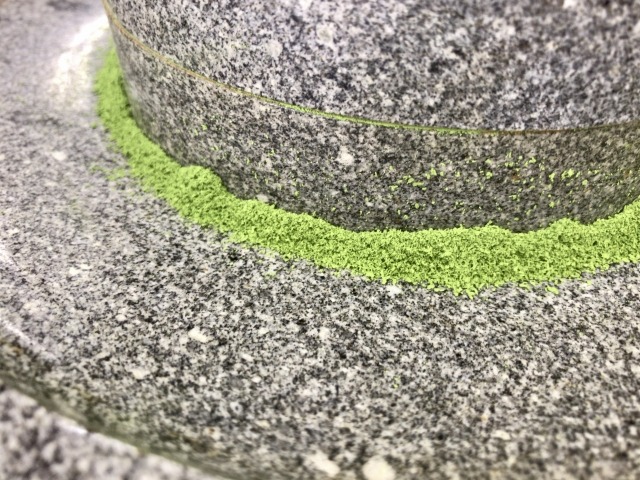
Finally, this Tencha is ground into the fine powder known as Matcha. While traditional stone mills are famous for this step, they are incredibly slow—often taking an hour for just one small tin—so only a small percentage of matcha is actually produced this way today.
Instead, about 80% of matcha is processed using modern pulverizers, such as ball mills or jet mills, for greater efficiency. It is important to note that not all “Ceremonial Grade” matcha is stone-ground.
Flavor Profiles: Which types of matcha are the sweetest?
You might be surprised to learn that not all matcha tastes the same. High-quality matcha possesses a rich, savory, and naturally sweet taste known in Japan as “Umami.”
This unique savoriness comes from the high levels of amino acids, particularly L-Theanine, which are preserved by the shading process.
The sweetest and most prized matcha comes from the very first harvest of the year in spring. Farmers pick only the youngest, most tender leaves from the very top of the tea bush. These young leaves have the most sugar and the least bitterness.
In contrast, matcha made from older leaves or later harvests tends to be more astringent. If you are looking for a tea that tastes good without any added sugar or milk, you should look for labels that say “First Harvest” or “Ceremonial Grade.”
Ceremonial vs. Culinary: Choosing the Best Matcha
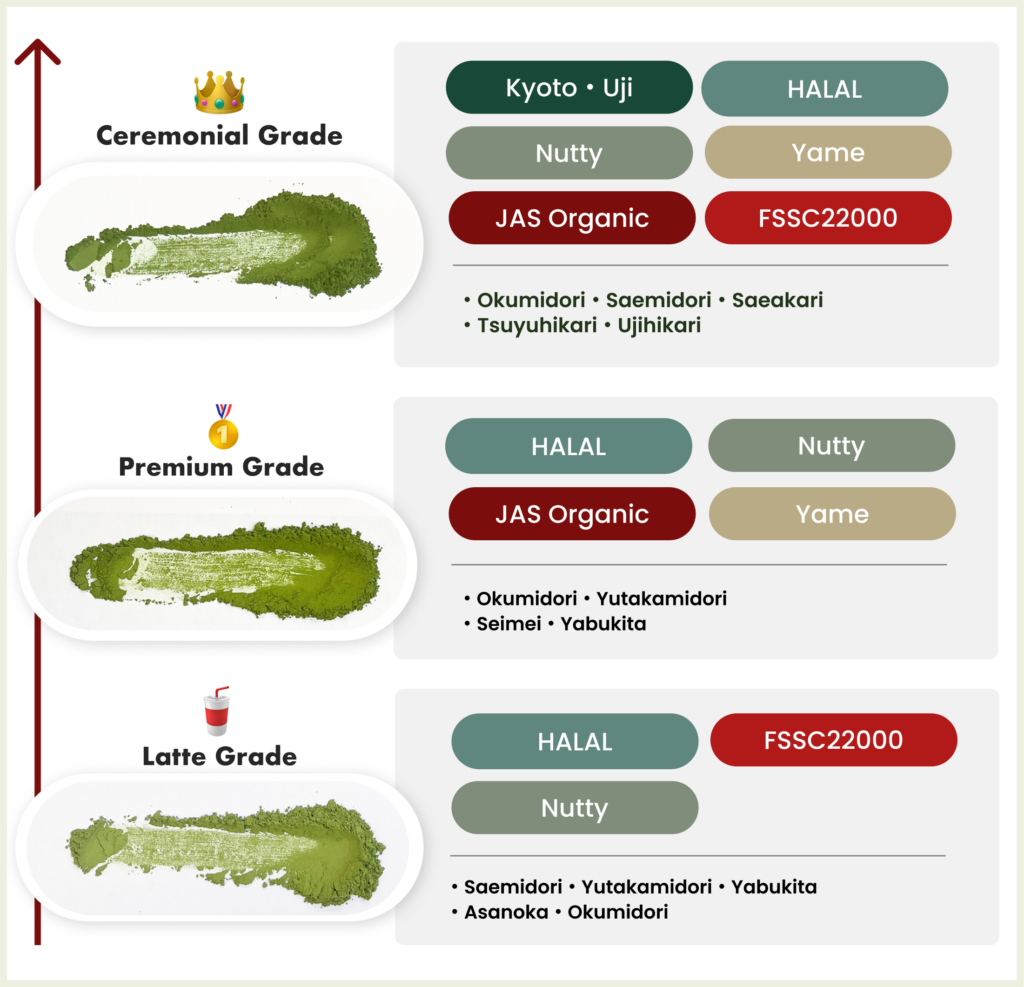
When you shop online or in stores, you will primarily encounter two main categories: Ceremonial Grade and Culinary Grade. It is vital to understand that “Culinary” does not mean “bad.” It simply means it was processed for a different purpose.
| Feature | Ceremonial Grade | Culinary Grade |
| Purpose | Drinking straight with water | Baking, cooking, mixed drinks |
| Color | Vibrant, electric green | Dull or yellowish-green |
| Taste | Sweet, delicate, smooth | Strong, bitter, astringent |
| Texture | Very fine and silky | Slightly coarser |
| Price | Higher ($$$) | Lower ($) |
The Perfect Ratio for Usucha & Koicha: How Many Teaspoons?
Making a delicious bowl of matcha is like a small science experiment. You need the right balance of powder and water to get that perfect froth.
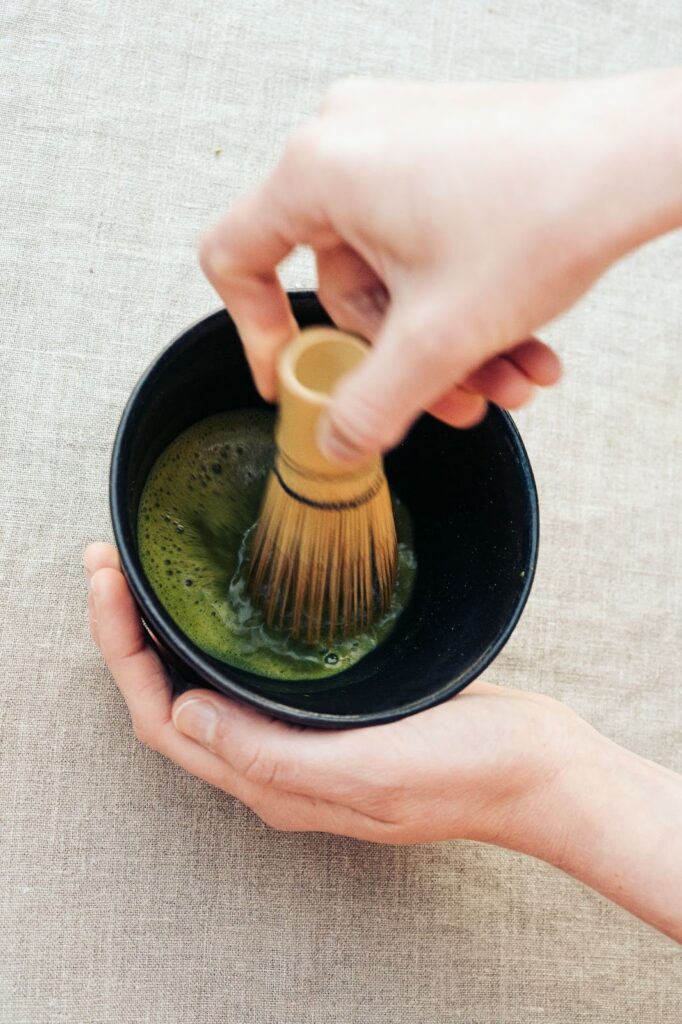
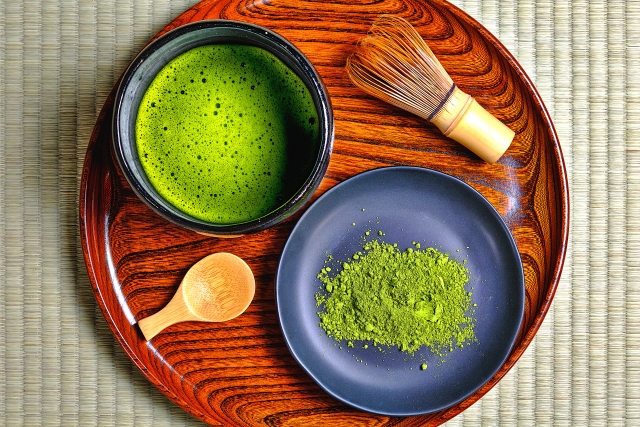
For a traditional bowl of thin tea, known as “Usucha,” you generally want to use about one teaspoon, or roughly 2 grams, of sifted matcha powder.
You should mix this powder with approximately 2 to 3 fluid ounces (60 to 90 ml) of hot water. The water temperature is critical; it should be around 175°F (80°C).
Never use boiling water, as it will burn the delicate leaves and make the tea taste incredibly bitter.
Whisk the mixture briskly in a “W” motion until a nice foam appears on top. If you use too much powder, the tea will be overpowering, but too much water will make it taste thin and watery.
Price Comparison: What to Expect for Quality
Matcha often has a higher price tag than tea bags, reflecting the immense labor involved. The shading, hand-picking, and stone-grinding processes are time-consuming and costly.
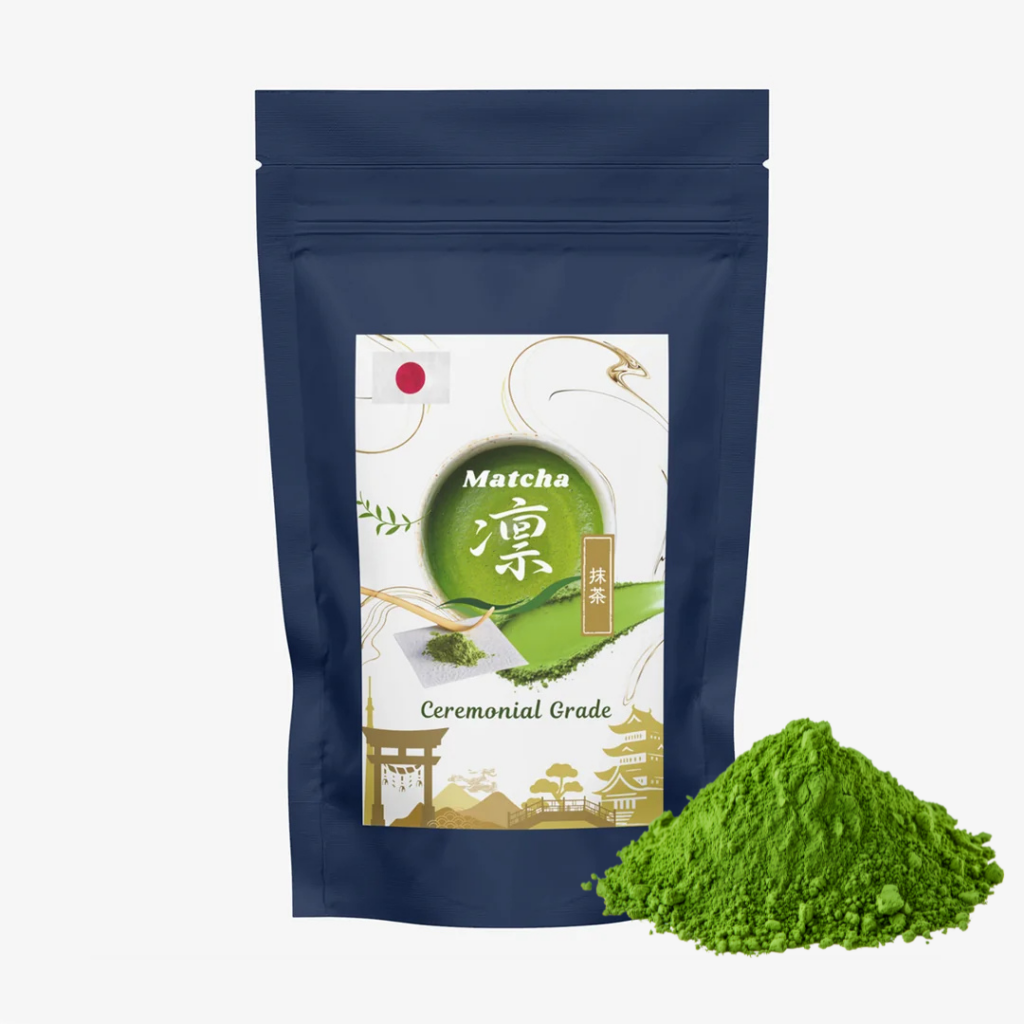
For a high-quality Ceremonial Grade matcha, you should expect to pay between $25 and $40 for a small 1 oz (30g) tin. This price might seem expensive, but it is meant for mindful sipping.
On the other hand, Culinary Grade is much more affordable. You can typically find larger bags, often around 3.5 oz (100g), for just $15 to $20. Be cautious of matcha that seems too cheap. If you find a huge bag for $5, it is likely oxidized, low-quality powder that will taste like dusty hay.
Best Types of Matcha Recommended by Use Case
Choosing the right matcha can be overwhelming, given the many options. To make it easier, we have broken down our recommendations based on how you plan to use the powder.
For Making Matcha Lattes
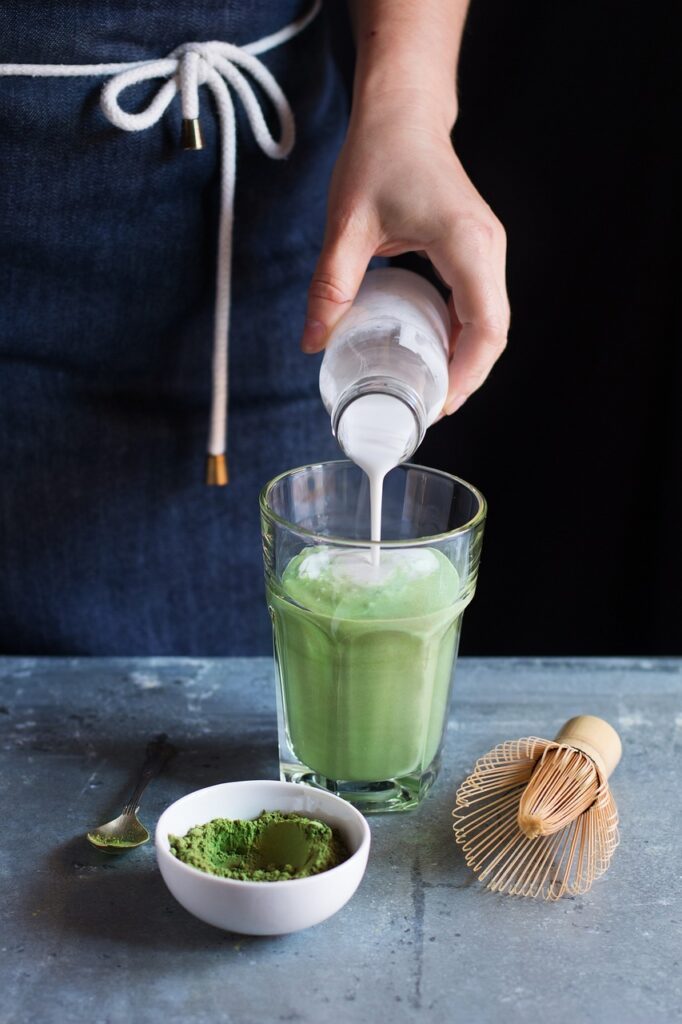
If you love a creamy matcha latte, you do not necessarily need the most expensive ceremonial grade. In fact, the delicate flavor of high-end matcha often gets lost when mixed with milk.
Instead, we recommend a Premium Culinary Grade or an entry-level Ceremonial Grade.
These grades possess a slightly stronger, more astringent flavor profile. This bitterness is actually desirable here because it cuts through the richness of the milk and sugar, ensuring you can still taste the tea.
Pairing with Whisky
Matcha is making a splash in the cocktail world, specifically in Japanese “Highballs.” The earthy, grassy notes of green tea pair surprisingly well with the vanilla and oak notes of whisky.
For this, you should use a Standard Culinary Grade. You want a matcha with a bold personality that can stand up against the strong alcohol and carbonated water without fading into the background.
For Baking and Sweets
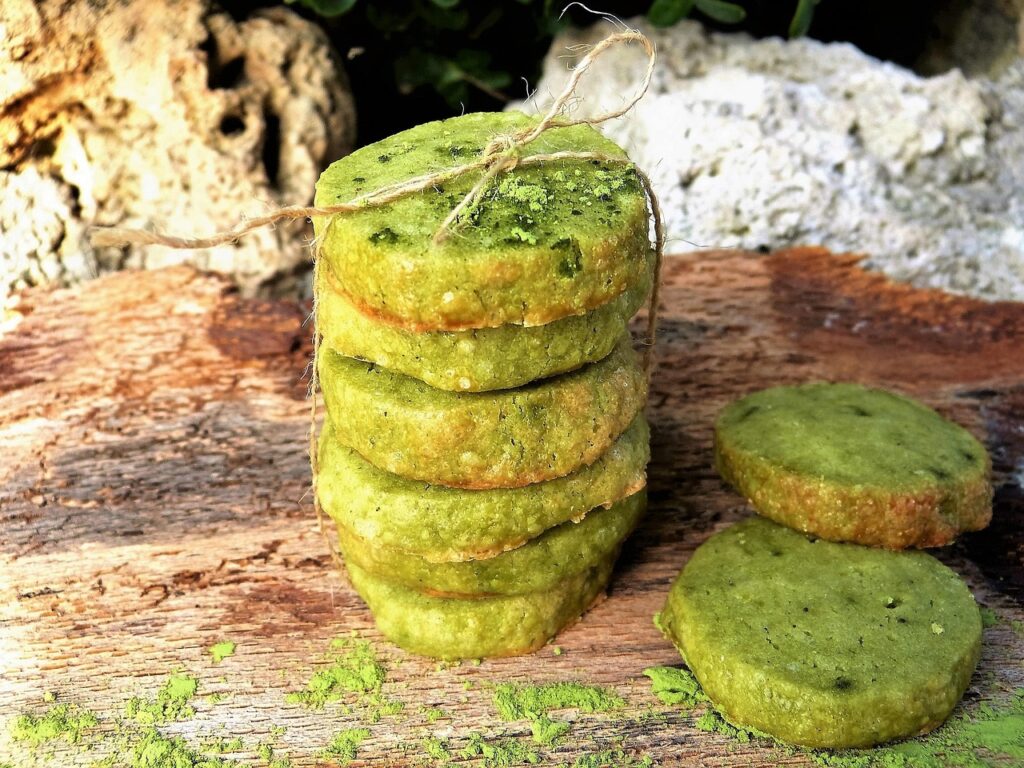
Are you planning to bake matcha cookies, cakes, or ice cream? For these recipes, Culinary Grade is undoubtedly your best choice.
This grade has a robust, potent flavor that can survive high oven temperatures. When you bake, the sugar, flour, and butter in your recipe will dilute the tea flavor. Culinary matcha provides the necessary bitterness to balance the sweetness of those ingredients.
Additionally, since it is more affordable, you can use generous amounts to achieve that beautiful green color in your desserts.
Insider Info: What Matcha Do Famous Cafes Use?
A common question we hear is about the matcha drinks served at big coffee chains like Starbucks. It is essential to know that these large chains rarely use pure matcha powder.
Instead, they often use a pre-sweetened matcha mix. If you look at the ingredients, sugar is usually the first ingredient, meaning you are drinking more sugar than tea.
In contrast, an authentic Japanese tea cafe will use pure, unsweetened Ceremonial Grade matcha. They whisk the powder with a small amount of water to create a paste or shot, and then pour steamed milk over it.
This method allows you to control the sweetness level yourself and enjoy the true aroma of the tea leaves.
Matcha Grades Explained: How to Choose the Right One
When looking for quality, the region of origin is a significant clue. You should look for matcha that comes from Uji, Kyoto. Uji is considered the birthplace of Japanese tea culture. The misty river climate and rich soil there create the perfect environment for growing premium tea.
How to Tell Good Matcha from Bad (Color, Scent, and Taste)
You can often identify the quality of matcha before you even take a sip.
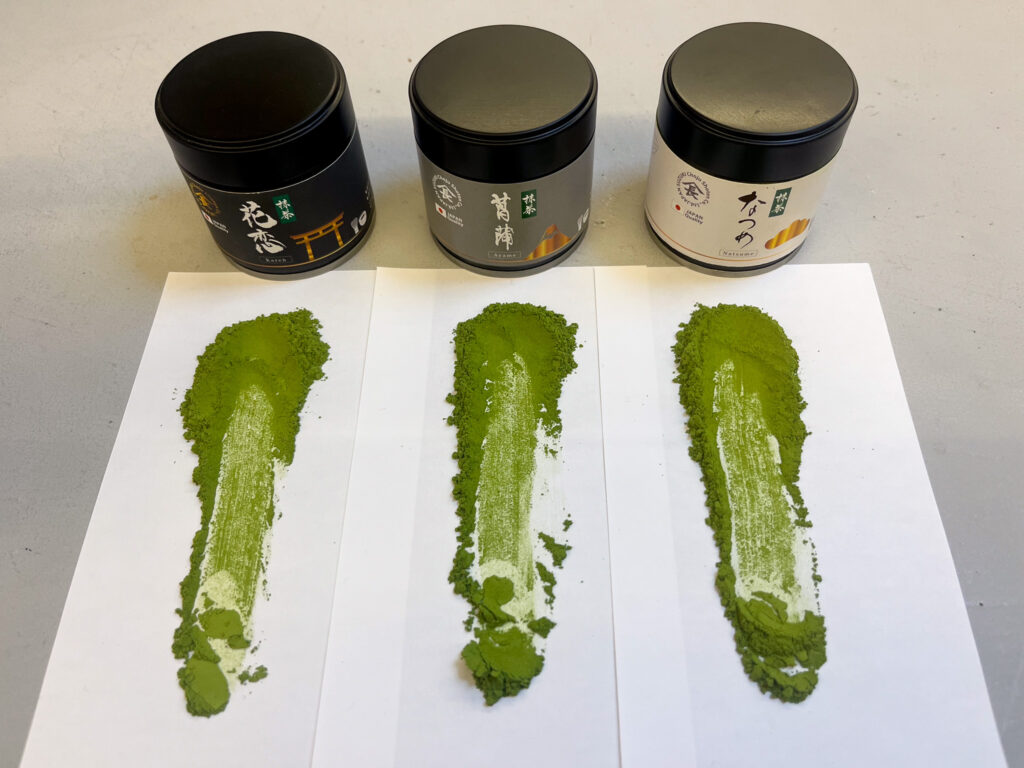
First, look at the color. High-quality matcha should be a bright, electric neon green. If the powder looks dull, yellowish, or brownish, it is likely old or made from mature leaves.
Next, check the scent. Good matcha smells fresh, vegetal, and slightly sweet, like baby spinach or seaweed. Avoid any matcha that smells like stale hay, dust, or nothing at all.
Finally, the taste tells the truth. High-quality tea has a creamy texture and a savory finish. Lower quality matcha feels sandy on the tongue and has a sharp, unpleasant bitterness that lingers.
Best Grades for Gifts, Guests, and Daily Drinking
If you are hosting special guests, you should serve a high-end Ceremonial Grade. This gesture shows great respect and offers them the best possible flavor experience.
For a gift, look for a sealed tin from a reputable Uji tea estate; the beautiful packaging and superior color make a lasting impression.
However, for your own daily drinking, a standard Ceremonial blend is perfect. It offers all the health benefits and a pleasant taste without being too expensive for everyday use.
Health Benefits and Nutrition of Matcha
Matcha is frequently labeled a “superfood,” and for good reason. Because you are ingesting the whole leaf rather than just an infusion, you absorb 100% of the nutrients the plant has to offer.
Is Matcha Really Good for Health?
Yes, scientific research suggests that matcha is incredibly beneficial for your health. It is packed with antioxidants that help protect your body’s cells from damage. According to trusted health resources such as the National Institutes of Health (NIH), the compounds in green tea have numerous benefits, ranging from improved heart health to better skin.
Key Nutrients and Their Effects (Catechins & L-Theanine)
Matcha is famous for two primary components that work together in the body.
First, it is rich in Catechins, specifically EGCG. These are potent antioxidants that may help boost metabolism and fight inflammation.
Second, matcha contains a unique amino acid called L-Theanine. This compound promotes relaxation and mental clarity. It works in harmony with caffeine to give you a state of “calm focus,” avoiding the jittery crash often associated with coffee.
Recommended Daily Intake
While matcha is healthy, it is essential to consume it in moderation because it contains caffeine.
One cup of matcha typically contains about 35-70 mg of caffeine, which is less than in coffee but still significant. Most health experts recommend drinking 1 to 2 cups per day. This amount provides the maximum health benefits without overstimulating your system.
Ready to Find Your Perfect Matcha?
Understanding Matcha Grades & Flavors is the key to truly enjoying this traditional Japanese beverage.
Remember, use Ceremonial Grade when you want to drink the tea pure, and save the Culinary Grade for your baking and smoothies.
Making the correct choice ensures a delicious experience, whether you are whisking a meditative bowl in the morning or baking green tea cookies for friends.
Are you ready to taste the difference quality makes?
【Disclaimer】
This statement has not been evaluated by the Food and Drug Administration. This product is not intended to diagnose, treat, cure, or prevent any disease.